Blog Archives
Time To Write A Romantic Comedy

Allison Turns The Page follows a bestselling author whose search for inspiration sparks an anonymous exchange through a neighborhood book box and ultimately forces her to confront the fear that has long shaped her choices. What inspired this premise?
Because my background is in writing TV sitcoms, I thought it was time to write a romantic comedy. I thought it would be a great character arc for a successful author to feel like a fraud after writing about a subject she knew nothing about. Imposter syndrome is widespread among authors; it’s also common among many professionals, and I wanted Allison’s journey to show how she chooses to move through it.
How did the idea of a neighborhood book box become such an important part of Allison’s emotional journey?
Little Private Libraries have always been important to me. I’ve read books through them, and I love leaving my books inside so readers discover my work. As my novels disappear quickly, I’ve wondered who the readers drawn to them are. I thought it would be interesting if Allison could open up to someone she didn’t know, even though she had trouble feeling vulnerable with people in her real life. I also often add a little mystery to my novels, so having anonymous notes show up was a way to do that.
Humor often becomes Allison’s way of protecting herself from vulnerability. Why were comedy and emotional honesty such a natural pairing for this story?
Being vulnerable is often hard for someone who doesn’t trust the world or feel safe in it. Because Allison didn’t know her biological father, she never quite felt deserving of love and was drawn to the wrong kind of men. Her humor helps her get through life and keeps her true feelings hidden, sometimes even from herself.
If readers close the book feeling inspired to make one change in their own lives, what do you hope that change might be?
I hope anyone who reads my book realizes that their past shouldn’t dictate their future and that they can control what happens to them on their journey. I also hope they recognize the importance of looking within themselves and being honest about why they do what they do, and that they have the ability to change their future.
Author Links: GoodReads | Facebook | Website
Allison Hoffman has built her career in writing love stories rather than living them. When her agent pressures the thirty-four-year-old to deliver another big romance. She decides instead to write a dark, edgy novel whose heroine gives up on love and is intent on revenge.
Every publisher passes.
Her agent drops her.
In a moment of panic, she tucks a copy into a Little Free Library. As Allison tries to move on, anonymous notes begin to appear, insightful, personal, and impossible to ignore. Allison is drawn into a connection that grows more tangled, blurring the lines between fiction and reality. She must decide whether it’s worth the risk to open her heart.
Can Allison’s own story have a happy ending?
Allison Turns the Page, the third book in The Women We Become Series, is a warm, witty, and heartfelt contemporary romance about unexpected connections and the risk of opening your heart when you least expect it. Sometimes the hardest page to turn… is the one in your own life.
Read all three books! Pick up a copy today.
Tropes: Heartwarming Women’s romance—Found Connection—Emotional Slow Burn—Second Chance At Love—Love After Heartbreak—Personal Reinvention
Perfect for fans of Nora Goes Off Script, Book Lovers, and Just For The Summer, you will enjoy how Allison confronts the issues she hides from everyone—including herself.
Allison Turns The Page


Allison Turns the Page, by Leslie A. Rasmussen, is a warm, comic novel about a bestselling author whose professional success arrives before she’s emotionally prepared for it. Allison Hoffman has written a celebrated romance, but she’s blocked on her second novel and increasingly convinced that her own love life proves she’s a fraud. Her search for inspiration leads to disastrous dates, a self-published revenge story, an anonymous correspondence through a neighborhood book box, and a romantic choice that forces her to confront how often fear has shaped her decisions. Rasmussen gives Allison a lively first-person voice, full of anxious observations, pop-culture references, and jokes that often reveal more than Allison intends.
The book’s strongest feature is its combination of humor and emotional self-scrutiny. Allison can turn an awkward pharmacy line, a family meal, or a blind date into a comic set piece, yet her humor also functions as armor. Beneath the running jokes about dating apps, biological clocks, terrible reviews, and her rescue dog Sally, she’s dealing with abandonment, envy, creative insecurity, and a deep fear that loving someone gives them permission to leave. Her family and friends are drawn broadly, but they have enough affection and friction to feel like people who’ve known one another for years. Olivia, Allison’s blunt younger sister, is especially effective because her teasing can be irritating, funny, and unexpectedly perceptive within the same conversation.
Readers who enjoy Bridget Jones’s Diary will recognize the appeal of a heroine who narrates her romantic mistakes with embarrassing honesty. Allison shares Bridget’s gift for spiraling from a small uncertainty into a complete personal catastrophe, but Rasmussen places more emphasis on creative identity and the publishing world. The novel also has some of Sophie Kinsella’s comic rhythm, particularly when Allison’s attempts to protect herself create increasingly complicated misunderstandings. Still, the story’s emotional center belongs to Allison’s development as a writer. Her failed second novel, essays about her personal life, and eventual return to fiction aren’t side plots. They mirror her gradual willingness to stop performing confidence and begin telling the truth.
At times, Allison’s romantic indecision may test readers who spot the healthier choice before she does. Yet that also captures the mind of someone who can recognize her habits intellectually while continuing to repeat them emotionally. By the conclusion, her growth feels earned because the story lets her make selfish, frightened, and messy choices before she learns to take responsibility for them. Allison Turns the Page is an upbeat, character-driven romantic comedy about writing your way through failure, trusting happiness when it appears, and realizing that becoming ready for love begins with becoming honest about yourself.
Pages: 270 | ASIN : B0GX32GQHM

When People Leave
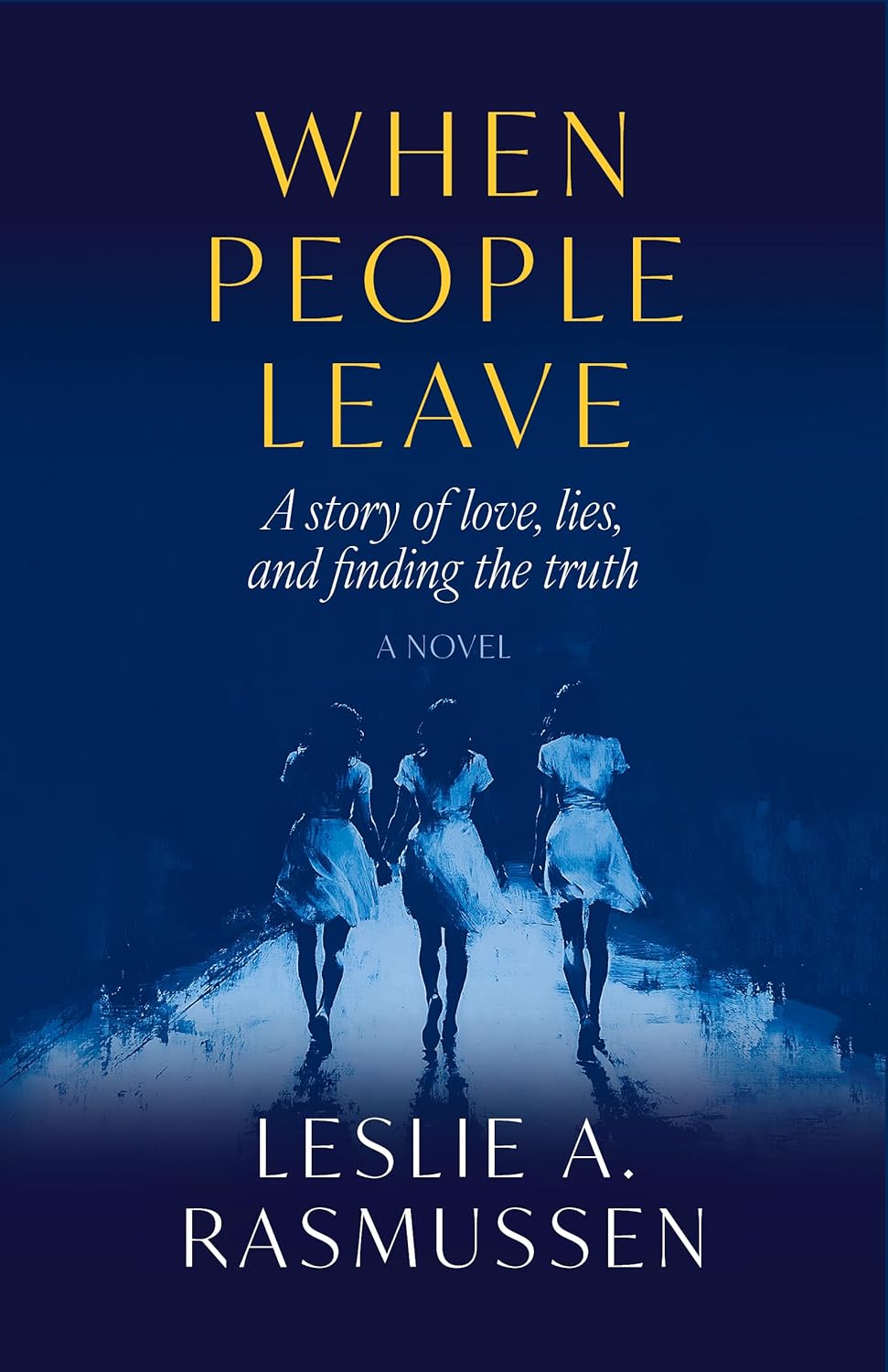
When People Leave by Leslie A. Rasmussen follows three sisters—Morgan, Charlie, and Abby—as they grapple with the shocking loss of their mother, Carla. After her unexpected death, what first appears to be a tragic suicide sets the sisters on a journey of grief, discovery, and long-buried family secrets. Alongside this mystery, the novel weaves in the sisters’ personal struggles: Morgan’s sobriety, Charlie’s crumbling relationship, and Abby’s overwhelming life as a young mother. Each chapter switches perspectives, layering the narrative with emotion, humor, and an exploration of what it means to really know someone you love.
From the very first chapter, I was hooked. Rasmussen’s writing feels natural, like a good friend sitting you down and telling you a story they have to get off their chest. Her dialogue snaps with authenticity, and the emotional beats land hard without ever feeling forced. I found myself laughing at some parts and genuinely tearing up at others. It’s rare for a book to feel this alive. The pacing was spot-on too; I never once felt bogged down or tempted to skim, which says a lot. Rasmussen nails the chaotic, messy beauty of family, and she doesn’t sugarcoat the ways love and pain can tangle together.
There were a few moments where the writing leaned on exposition, especially when digging into backstories. But honestly, I didn’t care that much because the characters were so real, so heartbreakingly flawed, that I would’ve followed them anywhere. I especially loved Morgan’s arc—her inner battles were raw and painful and, ultimately, hopeful. Rasmussen has a real gift for showing how healing isn’t a straight line but a looping, stumbling kind of journey.
When People Leave is one of those stories that lingers. It’s for anyone who’s ever wondered if they really knew their parents, or who’s ever struggled to forgive the people they love most. I’d recommend this book to readers who like emotionally honest fiction with lots of heart, a touch of mystery, and characters you want to reach through the pages and hug.
Pages: 311 | ASIN: B0DW751V7B
An Emotional Journey

The Stories We Cannot Tell follows two pregnant women who are forced to make difficult choices in life and the bond they form as they navigate this point in their life. What was the inspiration for the setup of your story?
Getting pregnant and staying pregnant is such an emotional journey for a lot of women. I wrote this book so hopefully, women going through infertility or making a choice not to continue a pregnancy will feel less shame than society has made them feel. I didn’t have an easy time getting pregnant, and I had many friends going through hell to have a child and not a lot of these women shared their stories. I wrote this book before Roe Vs. Wade was overturned, something I never thought was a possibility in our country. I’m hoping the readers, no matter what their views on this topic are, realize that what’s right for them, may not be right for everyone, and having compassion and empathy is all most women in these situations want.
Was the character’s backstory something you always had, or did it develop as you were writing?
I had written a lot of the backstory for each of the women before I started writing the book. I wanted to get to know their quirks and personalities ahead of time, so I could incorporate them into who they are and the individual journey that they were going through. That being said, there were things that came out in the dialogue or in their stories as the writing of the book went on.
What were some themes that were important for you to explore in this book?
The themes that were important for me to explore were friendship, loss, love, family, and hope. I also wanted to explore how a woman views her pregnancy issues differently than a male partner, and when something happens to the baby, how his pain is just as genuine, but he may express it in a different way.
What is the next book you are working on, and when can your fans expect it to be out?
I’m just beginning my next book so I’m not sure yet when it will be out. It’s the story of three sisters who go on a journey together to figure out what happened to their mother and end up finding things about their past they never knew.
Author Links: GoodReads | Instagram | Twitter | Facebook | Website
The Stories We Cannot Tell
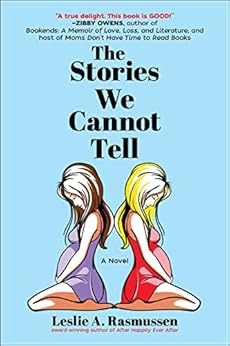
The Stories We Cannot Tell by Leslie Rasmussen is a profound exploration of the intricate decisions surrounding pregnancy, delving into the lives of two women who stand on opposing ends of a deeply personal spectrum.
Rachel, a content school teacher with a fulfilling marriage, eagerly awaits motherhood, a stark contrast to Kate, who is unmarried and has no immediate plans for children. Kate’s professional life in a fertility clinic interestingly intertwines with Rachel’s quest to become a mother—a connection that initially goes unnoticed by both. As they each continue to live their separate lives, fate conspires to unite them in an unexpected and everlasting bond.
Rasmussen navigates the complex terrain of wanted and unwanted pregnancies with remarkable skill, providing a much-needed perspective on the subject. Through the eyes of Rachel and Kate, the author offers an honest portrayal of the choices and dilemmas that women face in various situations. The narrative gracefully illustrates how each woman must grapple with and ultimately reconcile their decisions, reflecting a reality that resonates with many readers.
The characters are meticulously crafted, making readers feel deeply empathetic toward them. Rasmussen’s masterful storytelling invites us to see ourselves in the characters, regardless of our personal experiences or beliefs. It prompts us to reflect on the universal truths about human choice, connection, and resilience.
One of the notable aspects of the story is the unveiling of a life-changing secret towards the end. While this revelation adds a dramatic twist, some readers may find that the resolution happens rather quickly, potentially overshadowing the complex emotions that would naturally arise in a real-life situation. However, this choice also adds a sense of urgency and excitement to the conclusion, keeping the reader engaged and offering a thought-provoking perspective on how individuals might react to profound changes in their lives. It’s a testament to the author’s creativity and willingness to explore uncharted emotional territory.
In The Stories We Cannot Tell, Leslie Rasmussen has woven a thoughtful and engaging tale, offering a valuable contribution to contemporary literature. This book is not merely a story; it is an invitation to a broader conversation—one that deserves attention and contemplation.
Pages: 297 | ASIN : B0BXY4BS4L
Escape From All The Other Things

After Happily Ever After follows a woman who struggles to find a new purpose after her daughter goes to college and she meets a handsome stranger that forces her to make hard choices. What was the inspiration for the setup to your story?
As my children got older and more independent, my friends and I had some in depth conversations about the next chapter of our lives. We had so much in common that I thought a story like ours would be relatable to so many other women going through the same types of issues. Many of the women I knew had either given up their careers that they loved, to stay home with their kids, or they were in a career that they didn’t enjoy, and wanted to try something else in the middle of their lives. Some of these women who were looking for more “excitement” even decided that walking away from their marriages would provide that. I wasn’t one that wanted to leave my marriage, but I definitely wanted to figure out what the next chapter would be, as my children went off to college, and for me, that was to become a published author.
Maggie is an interesting and well-developed character. What were some driving ideals behind your character’s development?
Maggie is a compilation of so many women that I have come to know and love. She’s someone who feels like she lost her identity and her voice at the beginning of the book. Before she had her daughter, she identified herself as an editor in the publishing world, and she thrived there. She doesn’t regret giving up her job to stay home, but she knew who she was back then. Maggie has insecurities and anxiety about getting older and not knowing where she fits in anymore. I think her feelings and how she reacts to being overwhelmed are common in many people who may or may not want to admit their vulnerabilities. I enjoyed writing Maggie’s thoughts and showing her to be a flawed, but realistic human being who sometimes makes bad decisions when she’s feeling vulnerable. She doesn’t mean to cause more trouble in her life, but she wants to escape from all the other things that are happening and denies how she is now contributing to her problems.
What were some themes that were important for you to explore in this book?
The themes of family, love, the empty nest, marriage, and aging were important to me. I also felt it was important to write about how families change over time. Even great marriages can still have ups and downs, and most people will find themselves unsure of whether to stay or go at times. In a marriage, you need to figure out who you are as a couple as your children grow up and become independent, or you lose your relationship. We also need to learn how to see our “kids” as adults and treat them that way. As we age, our parents age and that takes a toll on everyone, and it’s not easy to come to terms with the idea of someday losing our parents. Maggie is part of the sandwich generation, where she still has a daughter to raise, yet her father is having medical issues that she wants to deny because he’s been so important to her in her life. I love all these realistic themes and even though some can bring sadness, my background in writing television sitcoms always makes me want to write about them with humor, so the heart-breaking moments aren’t as tough.
What is the next book that you are working on and when will it be available?
I’m close to finishing my second book, and again it’s a story with humor and heart-breaking moments. It’s about two women in their thirties, from very different backgrounds who meet in a support group when they experience a similar tragedy. It’s their stories both together and apart as they choose different ways to deal with the tragedy and find support in each other. They create a tight bond as friends and find out that they have far more in common than they ever could’ve expected.
Author Links: GoodReads | Twitter | Facebook | Instagram | Website
As all these stressors pile on, a chance meeting with a younger man causes Maggie to act in a way that is completely out of character for her. As she gets deeper in, she’s forced to make some big decisions about what she wants and deserves—decisions that could change her life forever.
After Happily Ever After deals with love, marriage, family, the empty nest, aging parents and what happens when they all come crashing down at the same time.
After Happily Ever After
![After Happily Ever After: A Novel by [Leslie A. Rasmussen]](https://m.media-amazon.com/images/I/41X+GoG8AmL.jpg)

Maggie was unhappy. There was simply no way around it. Her husband was distant and uninterested, her father was in an assisted living facility, her mother was as unsupportive as ever, and the daughter that she had given up her career for couldn’t wait to move away for college. It all left Maggie wondering where her place in the world was, as she tried to deal with the looming inevitably of change that waited on the horizon. It took a chance encounter that she would never have expected to ignite the chain reaction that brought everything crashing down in a way that helped her to finally begin putting together the pieces.
In After Happily Ever After, the first book from Leslie Rasmussen, we meet Maggie as she’s in the midst of a full blown mid-life crisis. Having been a stay at home mom for nearly 20 years, being faced with an empty nest is just one of the many things life has decided to throw at her suddenly. Marital problems, the inevitable loss of her father, other family drama, frustrations and uncertainty about re-entering the workforce, and unexpected attention from a handsome stranger- Maggie wonders daily if she can withstand the pressure. Over the course of the book, Rasmussen writes a story that is without frills and presents every day just as it happens, which is precisely its biggest strength. Maggie is most women at some point in their lives, in at least one aspect of her struggles. That very relatability makes her easy to sympathize with and become invested in. Her husband, Jim, and daughter, Gia, are never fleshed out enough as characters to create more than a surface impression, but that just stands to further illustrate the point that this book is about Maggie.
In that vein, this book explores the idea of identity. While it’s easy to read it as a simple story of a woman dealing with the stress of life, the first crisis Maggie encounters, and the one that continues as an undercurrent throughout, is the question of who she is once her primary role is no longer a mom. What does that make her, where does that leave her? As most people are defined by their roles inside and outside the home, Maggie faces the fact that with Gia gone, she fills a purpose in neither. The lack of availability from those she should be able to seek for support only snowballs everything into a larger problem.
I found myself completely invested in Maggie’s future and unable to put the book down. After Happily Ever After is an emotionally resonant story following a compelling character through a crisis that is relatable, grounded and engaging. This is definitely a book I would highly recommend!
Pages: 272 | ASIN: B08DK22T13



