Blog Archives
The Quiet After
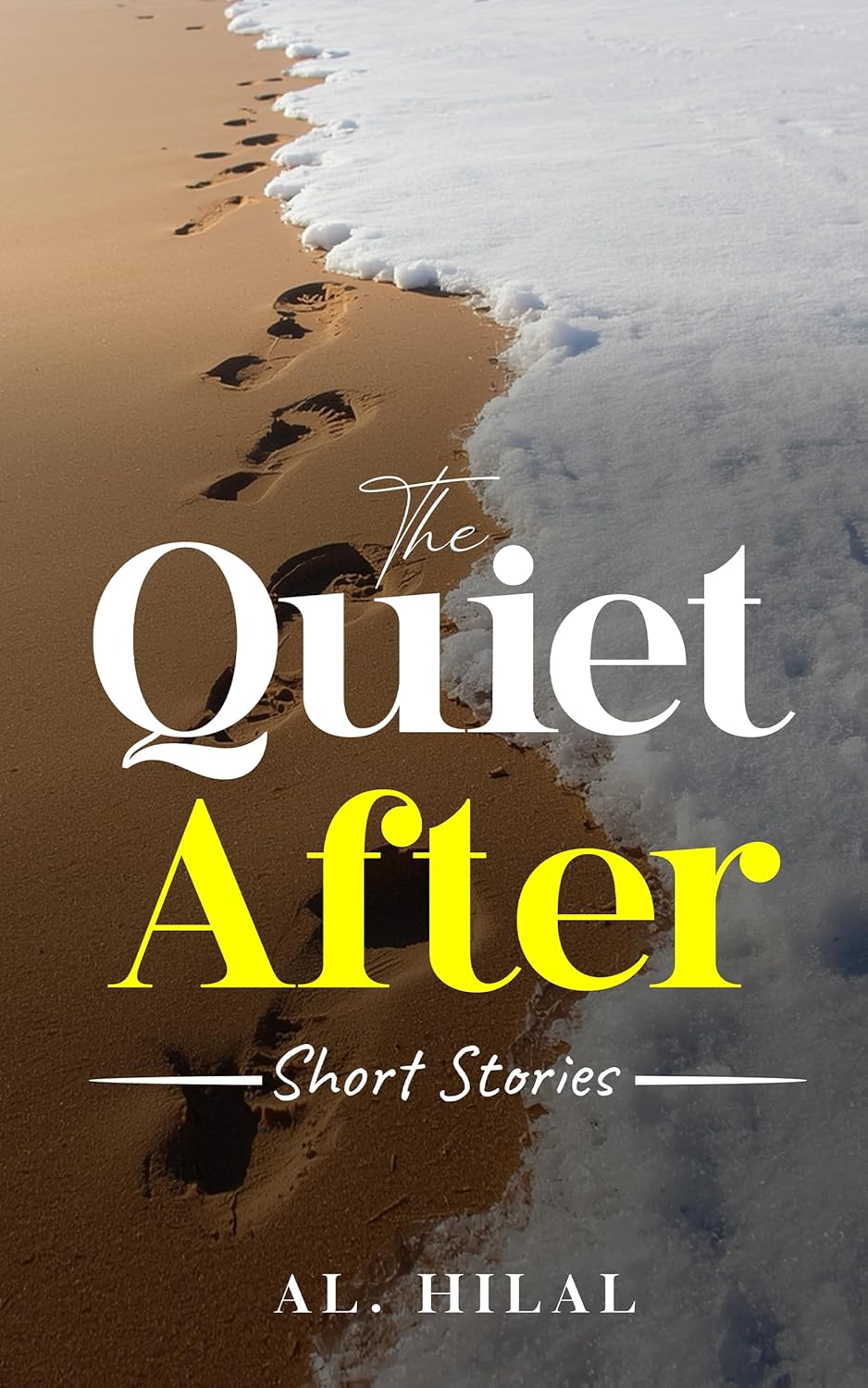

The Quiet After is a collection of linked creative nonfiction stories that trace an Iraqi man’s journey from Baghdad through war, displacement, and finally to a fragile, hard-won peace in the American Northwest. The pieces move between barbershops, markets, kitchens, churches, border crossings, and battlefields, and they circle the same core questions again and again. What does it mean to belong. How do you father a child while carrying a history full of ghosts. Where does faith sit after the bombs stop falling and the paperwork starts. The book calls itself creative nonfiction, and it reads that way. Memory on the page. Crafted scenes and dialogue. A steady thread of reflection on war, migration, and the slow, quiet work of rebuilding a life.
This is an emotionally stirring book. The prose feels careful and musical without drifting into showoff territory. I kept noticing how concrete the images are. Hair falling like snow in a barbershop. A kitchen so overdesigned it has everything but a knife. A boy’s name bumping against a school hallway that does not yet know how to pronounce it. The sentences lean on repetition, rhythm, and simple words, and that choice makes the hard moments land even harder. A few passages stack metaphor on metaphor, and I would have liked one plain line, just for contrast. But then a scene like “Loofah” or “The Intruder” arrives and the language feels exactly right for the horror and tenderness it carries, so I forgave the occasional excess without much struggle.
I laughed in some of the lighter pieces, like the confusion over “showers” in a church or the culture shock around silent car horns in Idaho. Those stories have a dry, self-aware humor that kept me from drowning in grief. Then I would turn a page and land in something brutal. The assault and killing in “Loofah” is one of those scenes that I almost wanted to look away from, yet the author refuses to sensationalize it. He stands close, he names the harm, he lets the consequences sit. Later stories that move toward adoption, fatherhood, and small gestures of kindness in American kitchens and barbershops softened me in a very different way.
The book keeps circling the tension between being Arab and being American, between being seen as a threat and trying to live a quiet, decent life. It speaks to the aftershocks of war more than the explosions themselves. Identity, exile, and belonging sit at the center, but they are grounded in very ordinary moments, not speeches. A kid asks his father if they are terrorists. A grieving widower snaps at a barber, then cracks open in the chair. A man misreads the word “hard” on a bottle of lemonade and stumbles into a lesson about grace and fine print. The faith in these pages feels earned and complicated, not neat. God appears in silence, in survival, in paperwork, in the choice to adopt instead of hate. The author is clear about political violence and betrayal, yet he refuses to flatten Americans into villains or Iraqis into saints. That nuance felt honest and rare.
The Quiet After is a deeply humane and powerful book. I would recommend it to readers who like literary memoir, creative nonfiction, or short story collections that sit close to real life. It will speak strongly to people from immigrant or refugee backgrounds, to veterans and aid workers, to anyone who has tried to build a new life in a place that once met them with fear. It would also be a rich read for book clubs, faith communities, and therapists who want to understand the lived texture of war’s aftermath. The stories are short enough for a busy schedule, but the echoes stay.
Pages: 204 | ASIN : B0G4KY1ZDL



