Blog Archives
Potential to Grow and Change
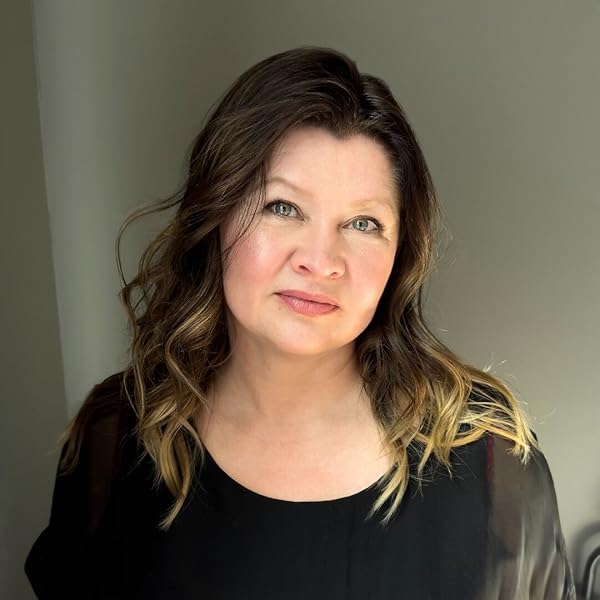
Afterward follows a woman who finds her boyfriend unconscious in their apartment and is thrust into an emotional maze, forcing her to question love, responsibility, and belonging. What was the inspiration for the setup of your story?
Unfortunately, the story, or something like it, is something you hear more often than one would hope. I heard a version of it had happened to an acquaintance of mine in school (many years ago, and it had happened years before I met her), and it was just something I couldn’t get out of my head. I thought the normal things, such as how bad I felt for what she and the rest of the people affected must have gone through. But then my mind kind of wandered with new questions–about how one becomes equipped to deal with things like that, and what if you weren’t? How would that go? It was really in the course of thinking about those tangential questions that I came up with the story.
Are there any emotions or memories from your own life that you put into your character’s life?
Lauren as a character really didn’t inherit anything from me, but in the course of writing this, I did break my leg and end up in the hospital. I remember being tired and hurt in the ER, and hearing the staff talk about a bad date one of them had had. I remember thinking it was such an odd thing to overhear such an everyday conversation during a day that was so unusual for me. But of course, this was their every day, it wasn’t odd for them, and they should be able to talk with coworkers like anyone else. It just stood out to me in that experience, so I included that moment in the book.
What themes were important for you to explore in this book?
Understanding was a big one. I really don’t even like Lauren in the beginning, but it’s easy to be critical, right? My hope was that by the end, the reader would find a little empathy for a flawed person in a truly horrible situation that wasn’t doing a great job with it. And, I guess, hope for the potential to grow and change. But there are other issues in there that different readers have picked up on as being big to them–friendship/bullying, race, alcohol, insecurity, mental health–and I’m glad different people are finding issues that mean a lot to them, and I hope I handled them okay.
What next book are you working on, and when will it be available?
Actually, I’m very excited to say I am sending my newest book to my publisher tomorrow. It is about a young man whose life events put him in the position to pursue his dream of living in a cabin in Alaska, and what that reality looks like. And I know what that reality is because I spent a lot of time growing up at my family’s homestead, which was not only “off the grid,” but also off the road system. It’s a love letter to, and a cautionary tale about, Alaska.
Author Links: GoodReads | BlueSky | Website | Amazon
Torn from her normal routines—coffee, sex, barhopping, and disc golf—she finds herself in an unfamiliar world of hospital visits and doctor’s appointments, all while navigating an unexpected move to a new apartment and enduring the disapproval of her boyfriend’s mother, as well as the gossip of her friends and coworkers. (Plus the suspicious looks of strangers, and the unbearable strain on her credit card…and did we mention the gossip of her friends and coworkers?) Along the way, she meets every obstacle with…well, not grace, exactly. In fact, pretty much the opposite of grace. Maybe more like bitchiness, truth be told. And all the while, the aftereffects of the tragedy cast a pall over everything she does—and threaten to destroy everything she has.
Bristol Vaudrin’s fascinating debut novel is an engrossing and darkly comedic read with an unforgettable narrator/protagonist. Watching her struggles—real, imagined, and in-between—we too must choose between kindness and judgment, between condescension towards someone who simply doesn’t have a clue, and empathy with a person struggling to deal with something we all must face: the desire to hold on to the things we enjoy when the world around us changes in ways we didn’t expect.
Afterward


Bristol Vaudrin’s Afterward is a raw and gut-wrenching novel that pulls readers into a world of emotional turmoil, relationships strained by tragedy, and the quiet, lingering pain of grief and identity. The story follows Lauren Delgado as she grapples with the aftermath of a traumatic event involving her boyfriend, Kyle. From the harrowing moment she finds him unconscious in their apartment to the disorienting world of hospital hallways and waiting rooms, Lauren is thrust into a reality where nothing feels real, and yet every detail is unshakably vivid. As Kyle recovers physically, Lauren is left to navigate an emotional maze, one that forces her to question love, responsibility, and her own sense of belonging.
Vaudrin’s writing is strikingly intimate. There’s a weight to every sentence, an undercurrent of unspoken pain that makes the novel feel deeply personal. One of the most powerful moments comes early on when Lauren watches the EMTs take Kyle away, her mind latching onto a loose thread on her jacket button because what else can she do when her whole world is unraveling? These small but poignant details make Afterward feel like a lived experience rather than a work of fiction. The prose is beautifully restrained; Vaudrin doesn’t drown the reader in overwrought emotion but lets it seep in slowly, in glances, in hesitations, in the quiet spaces between words.
The novel also captures the complexities of human relationships with an almost brutal honesty. Lauren’s interactions with Kyle’s mother, Helene, are layered with tension, passive-aggressive remarks, and the unspoken battle for who understands Kyle best. Helene’s arrival at the hospital is a whirlwind of frantic energy, an intrusion that feels both necessary and unbearable. And yet, there’s a subtle shift as the story progresses, a recognition that grief and worry manifest differently for everyone, even when love is at the core. Similarly, Lauren’s phone calls with her own mother, who is vacationing in Italy, blissfully unaware at first, are heartbreaking in their contrast. The distance between them is more than just physical, and yet when Lauren finally reaches out, there’s an unshakable comfort in her mother’s voice. Vaudrin masterfully depicts how relationships bend under stress, how people fail each other even when they mean well, and how love sometimes looks like showing up even when you don’t know what to say.
Another standout aspect of Afterward is the way it handles trauma, not as a singular event but as an ever-present shadow that refuses to be ignored. The hospital scenes are deeply affecting, especially the moment Lauren realizes Kyle is being transferred to a unit where she can’t visit him. The quiet bureaucratic efficiency of it all, signatures, nods, and the clinical separation of a patient from a loved one feels almost cruel in its normalcy. The novel doesn’t offer easy solutions or grand epiphanies. Instead, it lingers in the uncomfortable, in the questions without answers, in the moments where moving forward feels both necessary and impossible.
Afterward is not a book for those looking for tidy resolutions. It’s messy, painful, and deeply human. But for anyone who has ever loved someone through their darkest moments, who has ever felt like they were holding their breath waiting for the next disaster, this book will resonate. It’s a novel about the aftermath of trauma, but more importantly, it’s about the quiet resilience of the people left to pick up the pieces. I’d recommend it to readers who appreciate emotionally charged, character-driven stories, especially those who aren’t afraid to sit with discomfort and see where it leads.
Pages: 207 | ASIN : B0CW9167GB



