Blog Archives
Strange but Wonderful Island
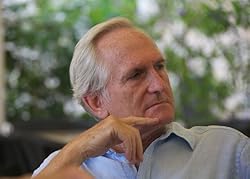 The Monster interviews Anthony Standcomb about leaving urban living for a new life on a remote island off the coast of Croatia and the book about that journey, Notes from a Very Small Island.
Notes from a very small island is mainly a collection of experiences surrounding the island of Vis. Are you speaking from personal experience when it comes to the books content?
Yes. We moved to the island a few years ago.

Click to see more beautiful photos of the island of Vis!
I consider this book nonfiction. Is it all nonfiction or were there parts where you had to take some creative liberties?
It’s all non-fiction – though as in the disclaimer on the information page at the front, I do admit that I have changed a lot of names, times and places to help the narrative flow and I have on some occasions embellished a few of the stories to make them more entertaining. 90% of it is completely factual, however.
Why do you think it’s important to tell these stories?
I want to get everyone to feel what I felt and to appreciate the strange but wonderful island I live on.
Dario had outspoken views in regards to Croatia becoming a part of the EU. What are your views on this subject?
As it turned out Dario (and I) were probably wrong. The economy got so bad in Croatia that they do need the EU hand-outs!
Notes from a Very Small Island

 Notes From a Very Small Island by Anthony Stancomb is very literal in the sense of its name. The book is mainly a collection of experiences surrounding the island of Vis. Croatia’s historical events and current culture were brought to the fore as locals looked towards what a future with the European Union (EU) might mean. The book brings to life, the characters, as seen through the eyes of the narrator and primarily focuses on day to day conflicts and situations that arise. Throughout the book, there are comparisons of the fast city life and the relaxed island life and factors that contribute to the differences and similarities.
We are first introduced to Dario, a local Disc Jock/ hardware store worker, who I assumed to be the protagonist of the story, and his wife and son; Sofia and Dino. Dario is from the island of Vis and prefaces most of the chapters in the book through humorous and political banter via his radio show. Over the first few paragraphs we meet Karmela, the housekeeper and Ivana, the narrator’s Croatian wife. We get an idea of who the narrator is by the establishment of his English nationality and his history in broadcasting, however, throughout the chapters, he was never identified by name and for me, this made the rest of the stories somewhat less personable.
The transition from London to the quaint island of Vis was not easy for the narrator and his wife. They left the city, their jobs, friends and two adult children behind, for a more scenic and native lifestyle. It was a move that was compounded by rebuilding, a theme that stood out in the majority of the book. Cricket seemed to be a cultural icebreaker in assisting the Stancombs in settling in.
It was only the mention of Facebook in chapter 13 that gave an idea of the era the narrator spoke from. A sizeable amount of the chapters had many historical references, much of it informed by locals like old Marinko. There were historical and political themes about the island as it related to their current realities and what it meant going forward for the locals and the narrator, should Croatia become a part of the EU.
Both the church and Dario had outspoken views in regards to the EU change. Urbanizing Croatia, adopting foreign lifestyles and fashions were just a few of the things they were concerned would undermine their freedoms or the simple things such as, Zoran’s bar after church service, their food, wine or culture. Attitudes to foreigners were evolving, the Craigs and Duffys, friends of the narrator, would end up testament to that.
Milena and Christopher, the narrator’s children, Milena’s boyfriend; Andrew and Ivanna’s Serbian cousins all exacted specific views from locals. The reason why this was so, was evident in the historical context of various nationals with Croatians. These dynamics are what established the island’s character.
I found the book relatively hard to follow, it fluctuated between the past and present too much, too quickly, with no transitional sentences or forewarning. There were several in text person references that were ineffective as well, as they weren’t general knowledge. The story was anticlimactic but there are surprises to look for. This is a book for a modern historical story enthusiast.
Pages: 312 | ISBN: 1910670456



 LITERARY TITAN