The Fed and The Flu
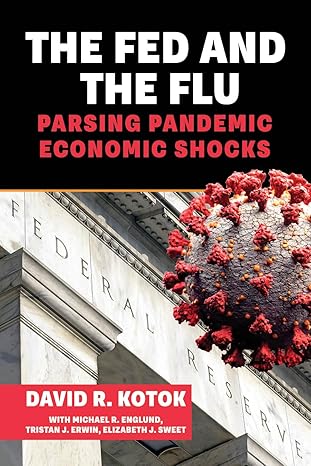

The Fed and The Flu: Parsing Pandemic Economic Shocks delves into how pandemics have shaped economic history. Written by David Kotok and co-authored with Michael R. Englund, Tristan J. Erwin, and Elizabeth J. Sweet, the book traverses millennia—from ancient plagues to the COVID-19 pandemic—to dissect how disease reshapes labor markets, governance, and financial systems. Through detailed case studies and insightful analysis, the authors illuminate the complex interplay between health crises and economic structures, giving readers a panoramic view of pandemics’ far-reaching effects. With its data-rich examination of historical and modern events, the book balances academic rigor with a sense of urgency about the lessons history imparts.
What stood out to me was the sheer depth of historical context. The section on ancient and medieval plagues, such as the epidemics in the Kingdom of Mari and the Black Death, goes beyond recounting events. It illustrates how societies grappled with the economic aftershocks—whether through wealth transfers due to high mortality or shifts in labor markets from population losses. I particularly appreciated the vivid recounting of the Mari epidemic, where Zimri-Lim’s precautions against infection eerily mirrored modern social distancing measures. The authors make ancient history feel unexpectedly relevant. Yet, I found myself wishing for a bit more narrative energy here. Some chapters leaned heavily on details that might deter readers seeking a more engaging storytelling style.
The exploration of the Federal Reserve’s role during pandemics, especially in the COVID-19 era, was a standout section for me. The discussion of the Fed’s emergency lending programs and balance sheet expansion offered valuable insights into how monetary policy adapted to unprecedented challenges. The analysis of how the Fed’s response differed from its approach during earlier crises, like the 1918 influenza pandemic, was compelling. For example, Table 12.1, which catalogs COVID-era emergency lending programs, was both enlightening and alarming in showing the scale of intervention required. As someone interested in finance, I found this part very interesting—it’s clear the authors know their economics.
One of the most striking and thought-provoking sections was the discussion of long-term societal changes induced by pandemics. The authors’ argument that pandemics drive innovation and erode trust in institutions was very interesting. Chapter 16’s focus on the pernicious effects of disinformation during crises was a timely reminder of the power of communication in shaping outcomes. The analysis of long COVID’s economic implications—with estimates of disability affecting millions—was sobering. The chapter drew a clear connection between health and productivity, emphasizing the enduring scars pandemics leave on the labor force. This mix of personal health and economic analysis made me think about the fragility of interconnected systems.
The Fed and the Flu is a treasure trove for anyone interested in the crossroads of finance, history, and public health. The meticulous research and comprehensive coverage make it ideal for readers with a strong interest in economics or infectious diseases. Readers willing to engage with the material will come away enlightened and, frankly, a little unsettled. This book is a wake-up call for policymakers, economists, and curious minds alike.
Pages: 552 | ASIN : B0DCK1ZHJT


Posted on February 11, 2025, in Book Reviews, Five Stars and tagged author, book, book recommendations, book review, Book Reviews, book shelf, bookblogger, books, books to read, Communicable Diseases, David R. Kotok, ebook, Economic History, goodreads, History of Medicine, indie author, kindle, kobo, literature, Michael R. Englund, Money & Monetary Policy, nonfiction, nook, novel, read, reader, reading, story, The Fed and The Flu, The Fed and the Flu: Parsing Pandemic Economic Shocks, Tristan J. Erwin, writer, writing. Bookmark the permalink. Leave a comment.



Leave a comment
Comments 0