Blog Archives
Nurse Florence®, Tell Me About Adipose Tissue.
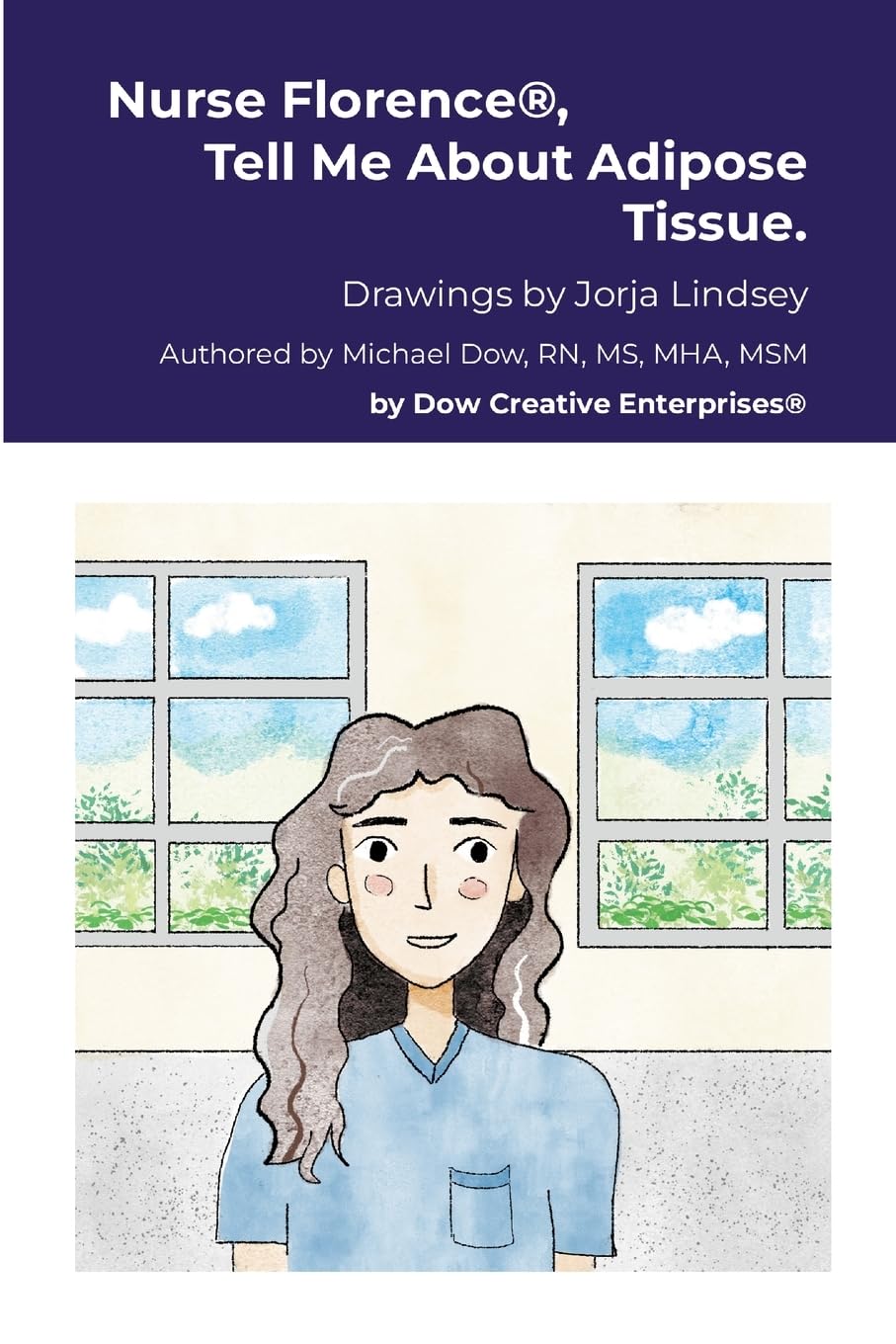

Nurse Florence, Tell Me About Adipose Tissue is a short, friendly children’s book that follows three girls, Jean, Condi, and Sonia, as they chat with Nurse Florence in the school cafeteria and learn what body fat actually does. The book moves from simple ideas, like fat acting as insulation, to surprisingly detailed explanations of hormones such as leptin, adiponectin, and estrogen. It mixes everyday examples with easy visuals and keeps the tone warm and encouraging throughout.
As I read it, I found myself smiling at how casually the story slips into teaching real medical concepts. The girls talk about insulation in houses and then flip right into insulation in the body, and somehow that transition feels natural and kind of cute. When Nurse Florence shows them an illustration and explains that adipose cells are “big and round because they hold fat inside,” the moment is simple but strangely satisfying in its clarity.
I also appreciated how the book doesn’t shy away from more advanced ideas. For example, the section about hormones, like leptin telling the brain to reduce appetite or adiponectin helping regulate blood sugar, surprised me. Even though the ideas get pretty heavy, the book keeps things breezy. It never feels patronizing, which I really appreciated. Michael Dow genuinely believes kids can manage real science, even when the vocabulary gets a little hefty or awkward.
Another moment that stuck with me was the reminder that the body is interconnected, that if one system changes, another reacts. Nurse Florence explains homeostasis in a calm, almost cozy way that I didn’t expect for such a big idea. It gave the book a bit of emotional weight and left me thinking. The closing page, where the girls reflect that having too little or too much fat can hurt the body, hits a balanced note without being preachy.
I’d recommend Nurse Florence, Tell Me About Adipose Tissue to curious kids, parents who like reading science together, and teachers who want approachable STEM material. It’s simple, sweet, and surprisingly informative, and even as an adult I walked away with a tiny spark of “hey, that was fun to learn.” The tone is warm, the drawings are gentle, and the science is real.
Pages: 62 | ISBN : 1300911441

Nurse Florence®, What is Sickle Cell Disease or Sickle Cell Anemia?

Nurse Florence: What Is Sickle Cell Disease or Sickle Cell Anemia? offers a clear and structured introduction to a complex medical condition, presented through a narrative designed for young readers. The book follows a student named Condi, who seeks information from her school nurse after learning that her baby cousin has been diagnosed with sickle cell disease. Through their conversation, the book walks through the genetics, symptoms, complications, diagnostic methods, and treatments associated with the illness. The format blends accessible storytelling with straightforward explanations, resulting in an educational resource that feels both purposeful and sincere.
As I read, I appreciated the author’s commitment to clarity. The explanations are direct, and the writing avoids ambiguity. When Nurse Florence notes that sickled red blood cells survive “10 to 20 days instead of 120 days,” the significance of that difference becomes immediately apparent, even for a younger audience. Condi’s questions, such as when she asks if she can be tested for the gene, lend the dialogue an authenticity that makes the information easier to absorb. The tone remains calm and reassuring, which supports the book’s mission to educate without overwhelming its readers.
I was also struck by the book’s willingness to address serious complications with precision. Topics such as acute chest syndrome, stroke symptoms, gallstones, and avascular necrosis are presented plainly, without sensationalism. When Nurse Florence explains that stroke symptoms can include paralysis on one side of the face or body, I found the frankness notable for a children’s text. Rather than feeling out of place, these details reflect a respect for young readers and an understanding that many families affected by sickle cell disease must confront these realities directly.
Recommendations regarding hydration, nutrition, avoidance of extreme temperatures, physical activity, and preventive care offer a sense of agency. I found the emphasis on emotional and community support, such as speaking with a therapist or joining support groups, especially meaningful. These sections remind the reader that living with sickle cell disease extends beyond medical management; it also involves fostering resilience and connection.
When Condi eagerly shares what she has learned with her mother, the book leaves the reader with a sense of empowerment and understanding. It reinforces the idea that knowledge can help reduce fear and encourage informed conversations within families.
I would recommend Nurse Florence®, What is Sickle Cell Disease or Sickle Cell Anemia? to elementary and middle school students, parents seeking to build health literacy, educators looking for accurate medical explanations, and even adults who want a concise overview of sickle cell disease. Its blend of approachable narrative and well-organized information makes it a valuable resource for a wide audience interested in understanding this condition.
Nurse Florence®, What are Signs Something is Wrong with My Kidneys?

Nurse Florence®, What are Signs Something is Wrong with My Kidneys? is a friendly, kid-focused walk-through of kidney basics and early signs of kidney trouble. The story follows three curious girls, Jean, Condi, and Sonia, as they chat with Nurse Florence in the school cafeteria and learn how kidneys work, why they matter, and what warning signs to look out for. The book mixes simple explanations, gentle illustrations, and clear examples, making a complicated topic feel surprisingly easy to absorb.
I found myself smiling at how straightforward the storytelling is. The moment where Nurse Florence explains that kidneys filter “a large bathtub full of fluid every day” made me sit back in awe, because that’s an image that sticks with you. I also loved that the book doesn’t dodge real medical words, like nephron and electrolyte, but still manages to keep the mood light. It never feels stuffy or lecturing, just honest and clear. I appreciated that balance, and I think kids will too.
The way the book lays out the symptoms feels powerful but genuinely useful. When the book mentions muscle cramping as a sign of electrolyte imbalance or foamy urine being linked to excess protein, it made me think about how many adults don’t even know these things. The writing offers small moments of surprise without ever trying to alarm the reader. Even the bit about puffy eyes, something almost everyone has dealt with, feels like a friendly nudge to pay attention to your body. I liked how the examples are simple but surprisingly memorable.
The characters’ responses help maintain a warm and inviting tone. When the girls conclude by saying that understanding their bodies “makes you feel empowered,” the sentiment resonated with me. It’s sweet but also real, there’s an emotional lift to it. The book consistently conveys the message that understanding one’s health is both possible and meaningful, a sentiment I found genuinely moving. And the illustrations sprinkled throughout add a nice bit of charm without distracting from the information.
I’d recommend Nurse Florence®, What are Signs Something is Wrong with My Kidneys? to curious kids, parents who like reading educational stories together, or anyone who wants a friendly intro to kidney health without digging through medical websites. It’s simple, upbeat, and surprisingly engaging.
Pages: 69 | ISBN : 1300886765
Nurse Florence®, Tell Me About the Bladder.

Nurse Florence®, Tell Me About the Bladder is a warm, easygoing children’s book that explains how the bladder works through a simple lunchtime conversation between three girls and Nurse Florence. The story mixes everyday school life with clear medical teaching, so kids learn about urine, bladder signals, and healthy bathroom habits without feeling overwhelmed. It’s straightforward, friendly, and built to make anatomy feel normal rather than awkward.
I liked how smoothly the author blends casual dialogue with real science. Sonia mentioning she “really had to go to the bathroom” sets up the whole discussion, and Nurse Florence jumps right in with a clear explanation of how the bladder stretches and signals the brain when it’s about half full. It feels like the kind of natural conversation curious kids might actually have, and the mix of school-day chatter with anatomy lessons works surprisingly well.
I was also impressed by how direct the book is. When Nurse Florence talks about strong-smelling urine being a sign of infection, the information is simple and non-scary. The same goes for advice not to urinate constantly without urges because it can make the bladder more sensitive. I appreciated how open and practical the writing is; it doesn’t tiptoe around bodily functions, and it doesn’t make them awkward. Kids get clear facts they can use.
Some of the boldest parts ended up being my favorites. The book openly mentions topics adults usually avoid with kids, like why you shouldn’t hold urine too long or how older adults often wake at night to urinate. It even explains that women may leak urine for a while after giving birth. I honestly didn’t expect that level of honesty in a kids’ book, but I admire it. It normalizes real experiences and gives kids vocabulary they’ll eventually need.
By the time the girls head back to class talking about what they learned, the book leaves you with a sense of calm, curiosity, and confidence. It’s educational without being heavy and caring without being sugary.
I’d recommend Nurse Florence®, Tell Me About the Bladder to elementary-age kids, teachers, parents, and even pediatric healthcare workers who want a friendly, no-nonsense way to teach anatomy. It’s perfect for curious young readers and for adults who appreciate clear, warm explanations of how the body works.
Pages: 51 | ISBN: 1300907142
Science Is For All People

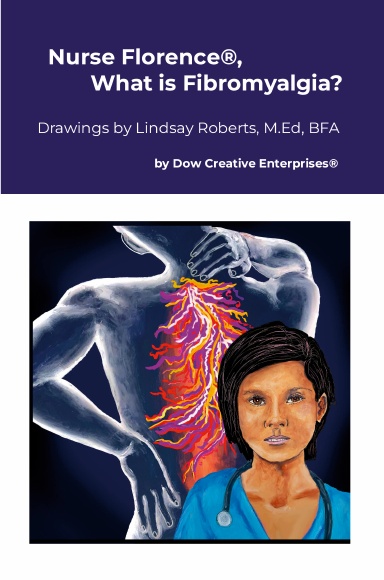
Nurse Florence®, What is Fibromyalgia? follows three friends who are curious about fibromyalgia, as well as the school nurse, as they chat about everything from symptoms and causes to tests, treatments, and even lifestyle changes. How did you approach writing about this complex topic in a way that makes it accessible to younger readers?
Faith. It is important to be an optimist in the dangerous world we live in. I choose to believe that kids can learn complicated things as long as it is taught properly.
What were some educational aspects that were important for you to include in this children’s book without overwhelming readers?
Thoroughness is key. Kids have a lot of questions, and we should attempt to be thorough with our answers so that they feel informed and empowered to live a better life. In the Nurse Florence® series, we thoroughly review diseases so that the whole family can be educated and all of a child’s questions can be answered.
What is a common misconception you feel people have about teaching children about medical and science concepts?
My understanding is that science is for all people, young and old, not just the educated. Let us educate the uneducated so that we have common understanding of things that affect all of us.
What story are you currently in the middle of writing?
I am in the initial planning of a third series the company will start to publish this Autumn (2025) about citizenship. I’m really excited about the impact this series could also have on societies around the world. Let us leave the world a better place than how we found it and then we’ll succeed in getting future generations to heights unimagined.
Author Links: GoodReads | Facebook | Website | LinkedIn | YouTube Interview
Introducing Some Medical Words to Kids in Every Book®
A Movement of Global Health Promotion and Literacy
Dow Creative Enterprises®
Help Civilization Reach Its Potential®
Being Responsive to Educational Needs
In Nurse Florence®, Why Do We Need Vitamin B9 or Folate or Folic Acid? the school nurse walks readers through the basics of what folic acid is, why our bodies need it, where it comes from, and what happens if we don’t get enough. What do you find interesting about this topic, making it ideal for a children’s nonfiction story?
Folic acid is essential for a growing fetus in the womb. I love to empower kids to live healthier lives and wish every girl reading this book will remember the importance to take a vitamin pill with this essential vitamin if they get pregnant in the future.
Can you share an instance where real-life events inspired your writing?
There was an outbreak of E. coli with some deaths that happened in one part of the Country, so I tasked one of my quick illustrators to do drawings for an E. coli Nurse Florence® book. We want to be responsive to the educational needs of our Country.
What do you like to do when you’re not writing?
Watching TV shows with my wife. We are currently watching ‘Lost’ in Spanish.
What advice do you have for aspiring nonfiction writers who want to write for children?
Focus on bringing something beautiful into the world to make it a better place. Let that be one of your definitions of success.
Author Links: GoodReads | Facebook | Website | LinkedIn | YouTube Interview
The Wonders of Medical Science
Nurse Florence®, What is Myelosuppression or Bone Marrow Suppression? walks readers through red and white blood cells, platelets, chemotherapy, infections, symptoms, and even viruses that can cause this condition. Why was this an important book for you to write?
My illustrator chose the topic since it has affected her family. I try to team up with my illustrators to collaborate on topics so that they are motivated to do the large number of illustrations needed for many of the books.
What were some ideas that were important for you to share in this book?
Thoroughness is what guides the Nurse Florence® series. I present all the information in my medical research source documents so that everyone that may read the book will feel educated and empowered.
What was your process for taking a topic that is this complex and simplifying it enough that children can understand, while still keeping the terminology and science concepts fully fleshed out?
My main key is to focus on one big idea per page so that kids don’t feel overwhelmed.
What is one thing that you hope readers take away from Nurse Florence®, What is Myelosuppression or Bone Marrow Suppression?
The immune system is complex. We should be grateful when we are healthy and hopeful when we are sick that medical science has advanced enough to help us with many diseases.
Author Links: GoodReads | Facebook | Website | LinkedIn | YouTube Interview
Helping Kids Understand Their Bodies
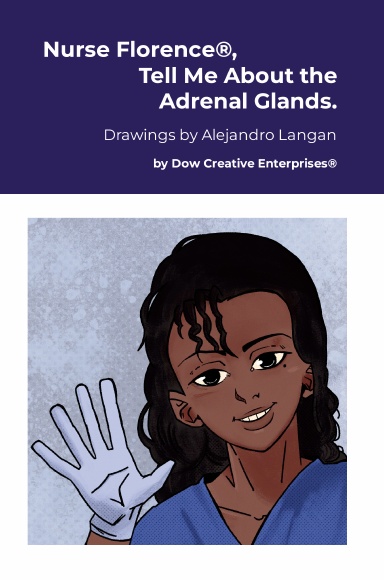
Nurse Florence, Tell Me About the Adrenal Glands breaks down the adrenal glands for readers, exploring these little hormone factories perched on top of the kidneys and all the important jobs they do, using easy-to-understand language.Why was this an important topic for you to write about for children?
I want kids to understand their body. It is very complex, but if we can break things down into smaller units of info, then they can understand. Understanding the body is important since we live in our body and need to learn ways to keep it healthy. Knowing yourself psychologically only is not enough. We must learn ourselves in the physical realm too. Learning signs and symptoms of diseases is important so that a person knows when they should go see a doctor. You cannot achieve your goals if you do not take care of yourself physically.
One of the things I enjoy about this series is the variety of illustrators you use for the books, which gives each one its own feel and prevents things from becoming monotonous. How do you go about deciding which illustrator is best suited for each topic?
It is usually random assignments except for every fourth book an illustrator does. Every fourth book is illustrator choice so they pick the topic and I do the research to get them their outline.
What is your least favorite part of being a writer?
Not having enough time.
After writing so many books, what do you feel are common traps for aspiring writers?
I feel aspiring writers should commit to write a certain amount every week/month so that progress is made. A journey of a thousand miles begins with one step. Let us make our first step and focus on that next step in front of us so that we are always moving forward. Onward and upward!
Author Links: GoodReads | Facebook | Website | LinkedIn | YouTube Interview



 LITERARY TITAN