The Peace Guidebook: How to Cultivate Hope, Healing, and Harmony for the Good of Humankind (The Guidebook Series)
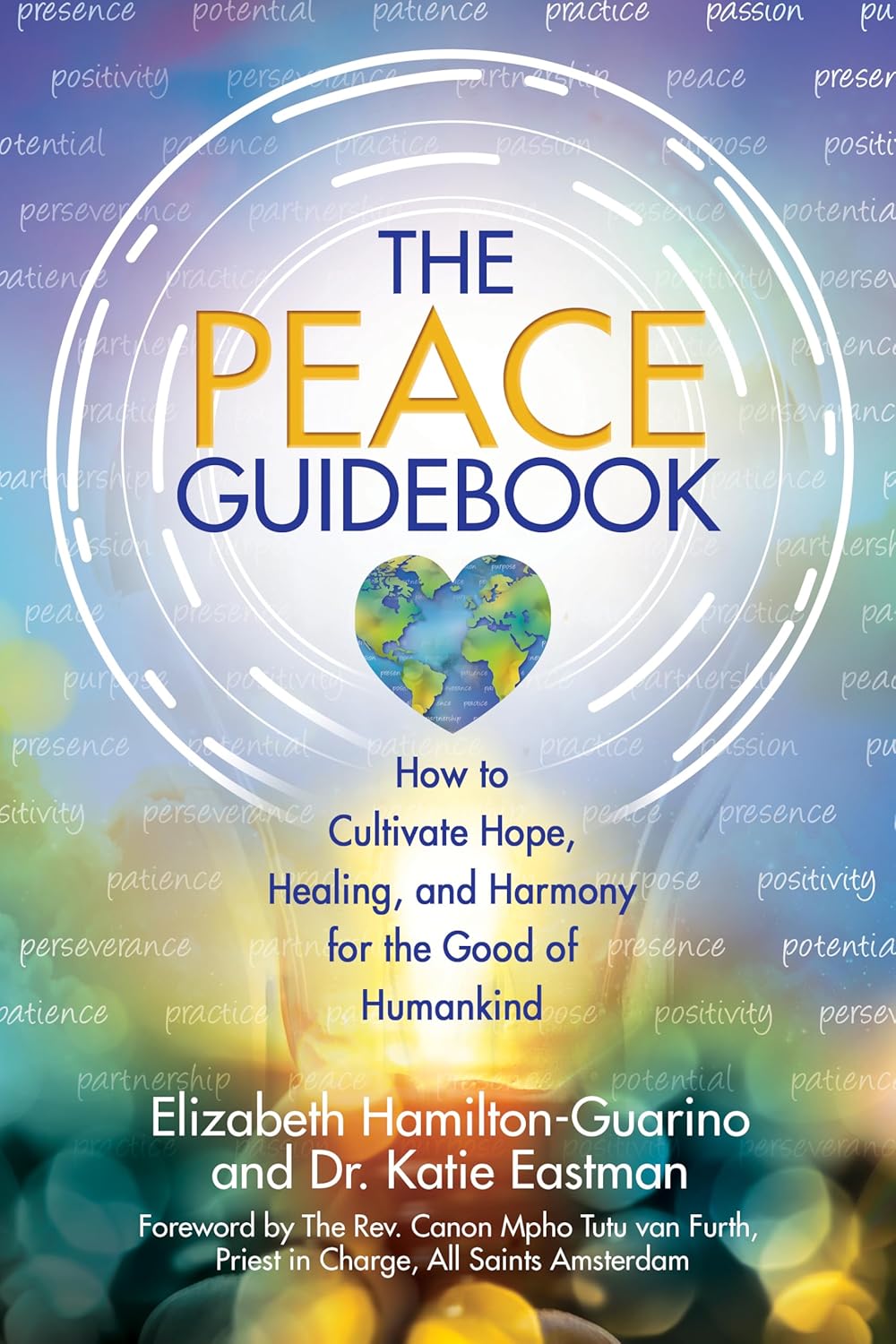

The Peace Guidebook is a warm and structured roadmap for people who want to turn big ideas about peace into small daily actions. Elizabeth Hamilton-Guarino and Dr. Katie Eastman organize the book into three parts, Hope, Healing, and Harmony, and walk through ten principles of peace such as Presence, Potential, Purpose, and Partnership. Each chapter starts with clear “Peace Points,” moves into personal stories from the authors and contributors, then wraps with “Points to Ponder” and practical exercises that feel like guided coaching sessions. The whole thing ties into their wider Percolate Peace Project, which invites readers to see themselves not just as consumers of advice but as part of a larger movement for personal and collective peace.
I appreciated how concrete the writing feels. The authors acknowledge money stress, health scares, messy homes, even fleas and septic issues, and then show how peace can still show up inside those very ordinary crises. I liked the way they turn big concepts into simple, repeatable moves, like the consistent invitation to “pause for space and grace” before reacting or the idea of an internal “pause button” when I feel triggered. The mix of short examples, heartfelt stories, and low-pressure exercises gave me a feeling of being coached more than preached at, and that made me more willing to try the tools instead of just nodding along. I found myself comforted and at times a little stirred up, because the book keeps gently pushing me to look at where I am not as peaceful as I pretend to be.
The language is warmly inspirational and circles back to key phrases like “Percolate Peace” and “we are in this together,” which gives the book a clear heartbeat and a sense of continuity as I read. The structure is steady and familiar from chapter to chapter, so I always felt oriented and could relax into the rhythm of the stories and exercises. The focus stays close to the personal and relational level, which helped me see exactly how peace can show up in my own conversations, choices, and habits. Rather than getting lost in policy talk or big systems analysis, the book keeps bringing me back to what I can actually do today, in my own life. That gave me a constant feeling of direction and left me feeling empowered, encouraged, and ready to carry these inner shifts into the wider world in my own way.
I would recommend The Peace Guidebook to readers who enjoy reflective, story-driven self-help and want practical things to try in their homes, teams, faith communities, or classrooms. It feels especially right for caregivers, coaches, teachers, spiritual leaders, and anyone who lies awake at night scrolling bad news and wondering what on earth they can actually do about it. If you are looking for a kind, hopeful companion that helps you build small daily habits of compassion, patience, and courage, this book fits that need very well and will likely leave you feeling both softer and stronger at the same time.
Pages: 304 | ASIN: B0FCG78FL9


Posted on February 25, 2026, in Book Reviews, Five Stars and tagged author, book, book recommendations, book review, book reviews, book shelf, bookblogger, books, books to read, ebook, Elizabeth Hamilton-Guarino, goodreads, indie author, kindle, kobo, literature, nonfiction, nook, novel, read, reader, reading, self help, story, The Peace Guidebook, writer, writing. Bookmark the permalink. Leave a comment.



Leave a comment
Comments 0