The Aphorism Club
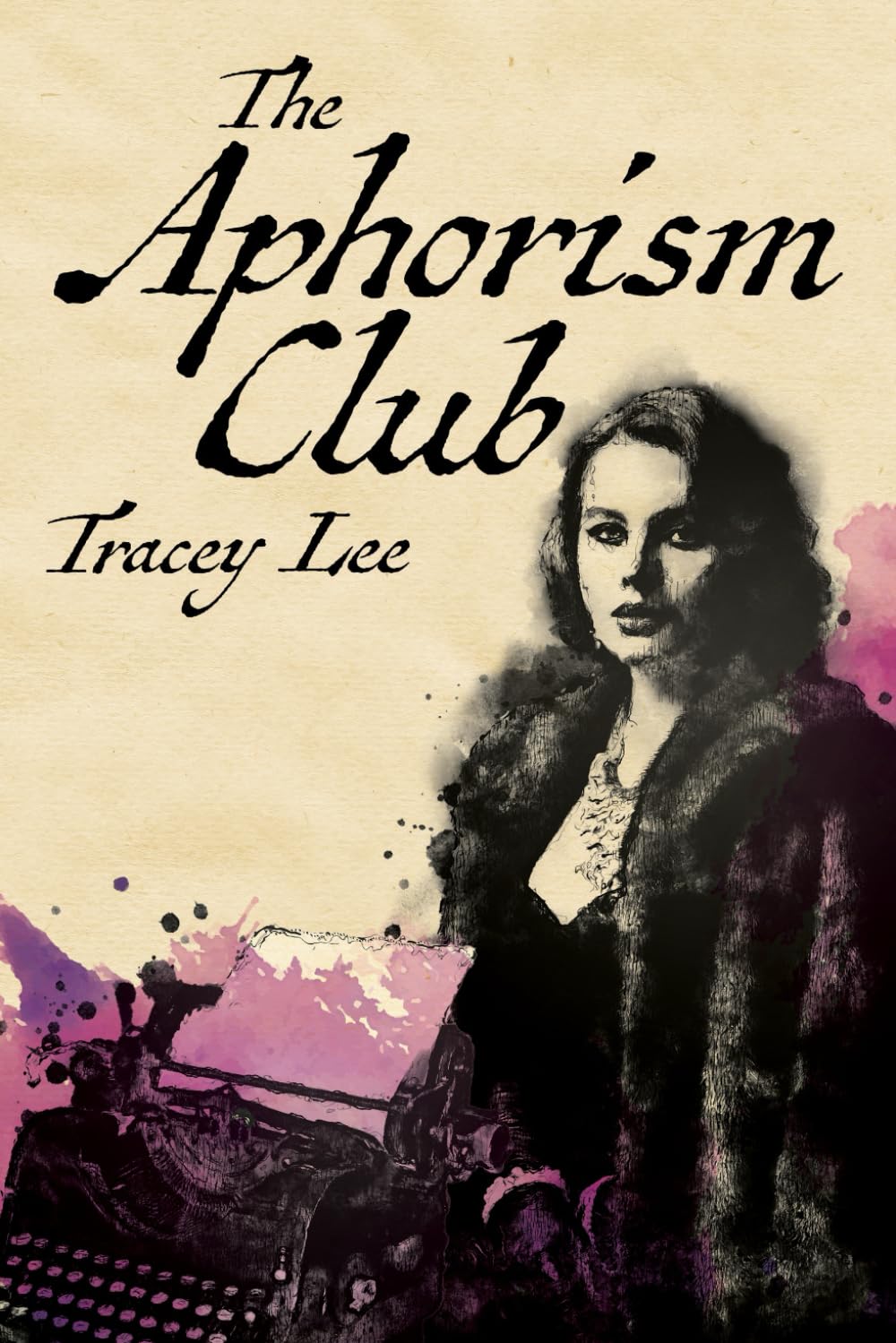

Tracey Lee’s The Aphorism Club is a historical coming-of-age novel centered on Ruby Pearl Hart, a gifted young woman born in Melbourne in 1910 with a prominent port-wine birthmark. Ruby enters a family that regards her appearance as a defect and her existence as a burden, but her great-aunt Minerva provides the affection, education, and confidence that her father and grandparents withhold. After illness and loss dismantle this early sanctuary, Ruby must repeatedly adapt to new homes and expectations. The novel follows her from childhood into early adulthood, tracing the formation of a writer whose intelligence and ambition steadily outgrow the narrow roles prescribed for her.
Ruby’s development is shaped by communities of women, artists, teachers, and social outsiders who recognize her potential. Minerva establishes the novel’s moral vocabulary through her instruction to “Look up and find a light,” followed by the more forceful advice, “And if you can’t find the light, bloody build a fire yourself.” That combination of hope and defiance guides Ruby through bereavement, bullying, family neglect, and institutional restrictions. Her eventual move to Tasmania brings her into contact with journalists, performers, writers, and artists whose informal collective gives the novel its title. Within the Aphorism Club, creative work becomes both a profession and a means of claiming authority over one’s own life.
The novel is especially effective when it connects Ruby’s personal growth to the social changes surrounding her. Women’s education, suffrage, labor conditions, reproductive autonomy, sexuality, artistic freedom, war, influenza, and class prejudice appear through the experiences of the characters. Lee’s lively ensemble cast gives these concerns emotional range, while Ruby’s observant, frequently sardonic voice keeps the story energetic even when its subject matter is painful. The early distinction Ruby recognizes between “the family you got and the family you made” becomes one of the book’s central ideas. Family, in this novel, is created through protection, intellectual fellowship, honest disagreement, and sustained acts of care.
The Aphorism Club is a novel about authorship in its broadest sense. Ruby learns to write stories, report on injustice, interpret her own history, and direct the course of her future. Her birthmark remains an important part of her experience, but the narrative gradually enlarges the reader’s understanding of her until her appearance no longer determines the boundaries of her identity. By concluding with several credible paths available to Ruby, Lee presents independence as the capacity to choose among meaningful possibilities. The result is a compassionate and socially engaged portrait of a young woman discovering that love, education, creative purpose, and freedom can belong within the same life.
Pages: 228 | ASIN: 192351735X


Posted on August 2, 2026, in Book Reviews, Five Stars and tagged author, book, book recommendations, book review, book reviews, book shelf, bookblogger, books, books to read, coming of age, ebook, fiction, goodreads, historical fiction, indie author, kindle, kobo, literature, nook, novel, read, reader, reading, story, The Aphorism club, Tracey Lee, writer, writing. Bookmark the permalink. Leave a comment.



Leave a comment
Comments 0