Blog Archives
Arboreal Destiny: The Trees that Shaped the History and Culture of People
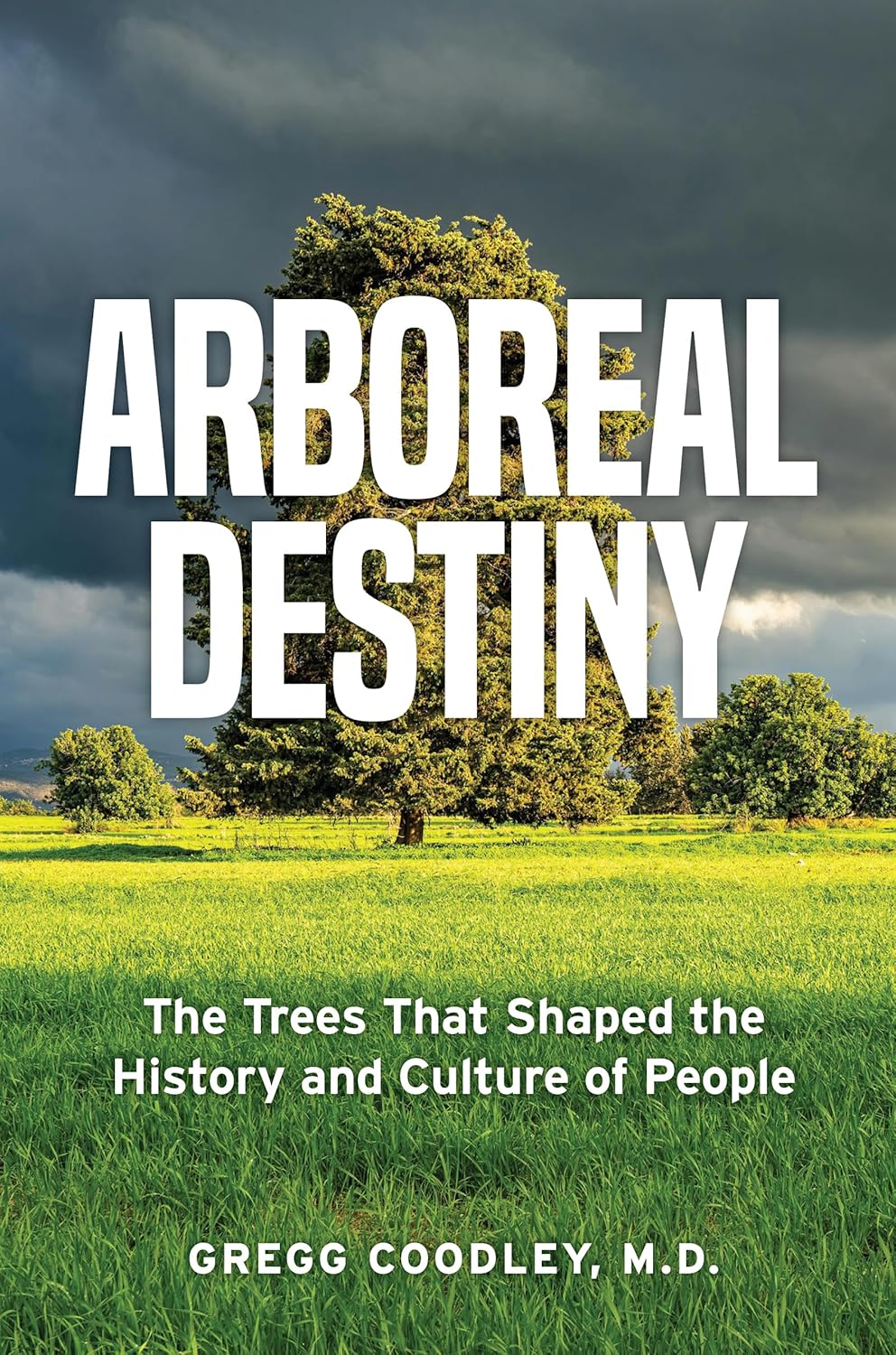

Arboreal Destiny: The Trees That Shaped the History and Culture of People takes twenty kinds of trees, from figs and olives to oaks, chestnuts, and rubber, and shows how they have steered human history, belief, trade, and even medicine. Each chapter starts with clear biology, then moves through myths, sacred stories, everyday uses, and modern science, before the final section widens out into a case for trees as key allies in facing climate change and ecological breakdown. The book argues that we literally grew up with trees, built our homes and ships from them, wrapped our gods and our empires around them, and that our future still rises or falls with their fate.
The writing is careful, researched, and very steady. The author piles up stories, laws, quotes, and footnotes, and the effect is that each tree feels huge and crowded with people. I loved the way the fig chapter moves from wasp pollinators to Egyptian coffins to Buddhist pilgrims under the Bodhi tree. The olive chapter does something similar with lamps, temple rituals, and long-lived groves tied to families. Those shifts kept my curiosity awake. The tone can sometimes feel textbook-like, and the book is very detailed. Still, the overall voice is calm, patient, and respectful of readers who want substance.
The book quietly insists that trees are not scenery. They are the main cast. When I read about chestnuts feeding mountain villages, or white pines driving imperial navies and colonial anger, I felt a little jolt of grief at how casually we cut these living systems down. The closing material, where trees become tools for restoring ruined land and drawing carbon out of the air, hit a different nerve. It felt hopeful, but also a bit desperate, like we are turning back to old companions after years of neglect and asking them to save us one more time. I appreciated that the author does not romanticize everything. Rubber and palm chapters, for example, face the violence and exploitation tied to those trees. I would have liked a stronger personal voice from the author, a short scene on the ground, a human face among the facts, because the subject is so alive that it almost begs for that touch.
This is not a quick nature coffee table read. It’s closer to a serious but accessible course in how trees and people grew into each other, with a side of quiet moral urgency about where we go next. I would recommend it to readers who enjoy narrative history, people who like to see religion, trade, science, and culture in one frame, and anyone involved in conservation, policy, or environmental education who wants stronger stories to tell. If you are ready to see forests and street trees as long-time partners with a real stake in our future, this book will be well worth your time and attention.
Pages: 414 | ASIN : B0GNNVSG69



