Blog Archives
The Psychology of Technology


Hal F. Gottfried’s Psychology of Technology dives headfirst into the murky and complicated waters where human psychology meets digital design. From our dwindling attention spans to the creeping influence of algorithms, Gottfried dissects the impact of our screen-saturated world with a blend of personal insight and hard research. Across its chapters, the book charts how digital life is rewiring not just how we work and play, but how we think, feel, connect, and even perceive reality. It’s a thorough, often unsettling look at how deeply the digital frontier has seeped into our minds.
What stood out to me most was the book’s voice. It’s casual, punchy, and brutally honest. Gottfried doesn’t lecture. He talks to you like a friend. He explains complex neurological and behavioral ideas without drowning them in technical jargon. I appreciated how grounded his examples were. Like reaching for your phone during a movie, or reading a news feed that mysteriously only shows you one side of a story. These familiar moments hit home. There were times when the repetition of certain themes, like the dopamine loop or “continuous partial attention,” felt like a warning bell being rung many times. Still, the urgency is warranted, and the message never feels hollow.
I also admired the book’s refusal to just dunk on tech or idealize some unplugged utopia. Gottfried knows we’re not giving up our phones anytime soon, and he doesn’t ask us to. Instead, he offers practical, reasonable ways to set boundaries, reclaim attention, and use tech more mindfully. His writing on the illusion of control created by algorithms was especially sharp. It made me realize how often I feel like I’m making choices, when I’m really just clicking what was nudged in front of me. The chapter on relationships was another highlight. It’s raw, relatable, and a little heartbreaking. It reminded me that sometimes the most human parts of us, connection, empathy, presence, are the ones we trade away for convenience without even noticing.
Psychology of Technology is for anyone who’s ever felt scattered, anxious, or just plain tired after a day online and wondered, “Why do I feel like this?” It’s not a tech detox manual or a scarefest. It’s a wake-up call wrapped in kindness and realism. Whether you’re a digital native, a burned-out remote worker, a worried parent, or just someone trying to stay sane in the noise, there’s something in here for you.
Page: 190 | ASIN : B0DYPK8RS1

Climate Dragon: Treachery, Pestilence & Weirding Weather
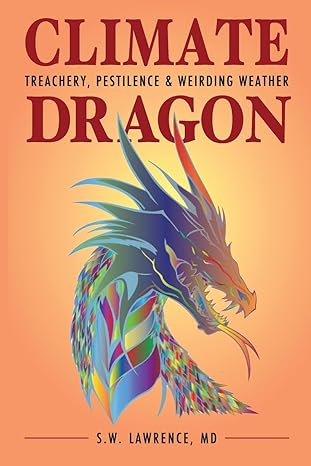

Climate Dragon is a thrilling and intellectually stimulating novel that delves into the multifaceted challenges of our rapidly changing world. Through a mix of speculative fiction, scientific discourse, and suspenseful narrative, author S W Lawrence presents a tale where the existential threats of climate change, cyber warfare, and pandemics collide in a world that feels unnervingly close to our own. The novel’s protagonist embarks on a journey that not only confronts these global crises but also offers a glimpse into the ethical and personal struggles that come with facing such overwhelming challenges.
From the outset, I found Lawrence’s writing to be both engaging and deeply informative. On one hand, the in-depth exploration of nuclear energy, climate science, and cyber threats adds a layer of authenticity and urgency to the story. For instance, the chapter “Quantum Weirdness” meticulously breaks down the intricacies of nuclear physics in a way that is both accessible and relevant to the plot. However, there were moments when I felt the technical exposition might feel overwhelming to those not already familiar with these subjects. Lawrence strikes a delicate balance.
Lawrence crafts characters that are both relatable and complex, each embodying different facets of the larger themes at play. The protagonist’s internal conflict, caught between personal desires and a sense of global responsibility, is particularly compelling. I found the dynamic between the protagonist and secondary characters, such as Emmanuelle and Ben, to be a highlight, adding depth and emotional resonance to the narrative. The portrayal of the protagonist’s evolving perspective on the ethical implications of their actions was thought-provoking, especially in the context of the novel’s broader commentary on climate change and human impact on the planet.
Despite the novel’s many strengths, there are sections where the pacing slows, particularly when the story delves into more technical discussions or philosophical musings. While these segments are integral to the book’s thematic depth, they may not appeal to readers looking for a more fast-paced, action-driven narrative. However, for those willing to engage with these slower moments, they offer valuable insights and add layers of meaning to the overall story.
Climate Dragon is a novel that will resonate with readers who enjoy speculative fiction grounded in real-world science and contemporary issues. Lawrence’s ability to weave complex themes into an engaging narrative makes this book a standout in the genre.
Pages: 298 | ASIN : B0CWPRTVD9



 LITERARY TITAN