Blog Archives
My Mother Was an Asshole: How to Recognize, Survive, and Heal from Covert Narcissistic Abuse
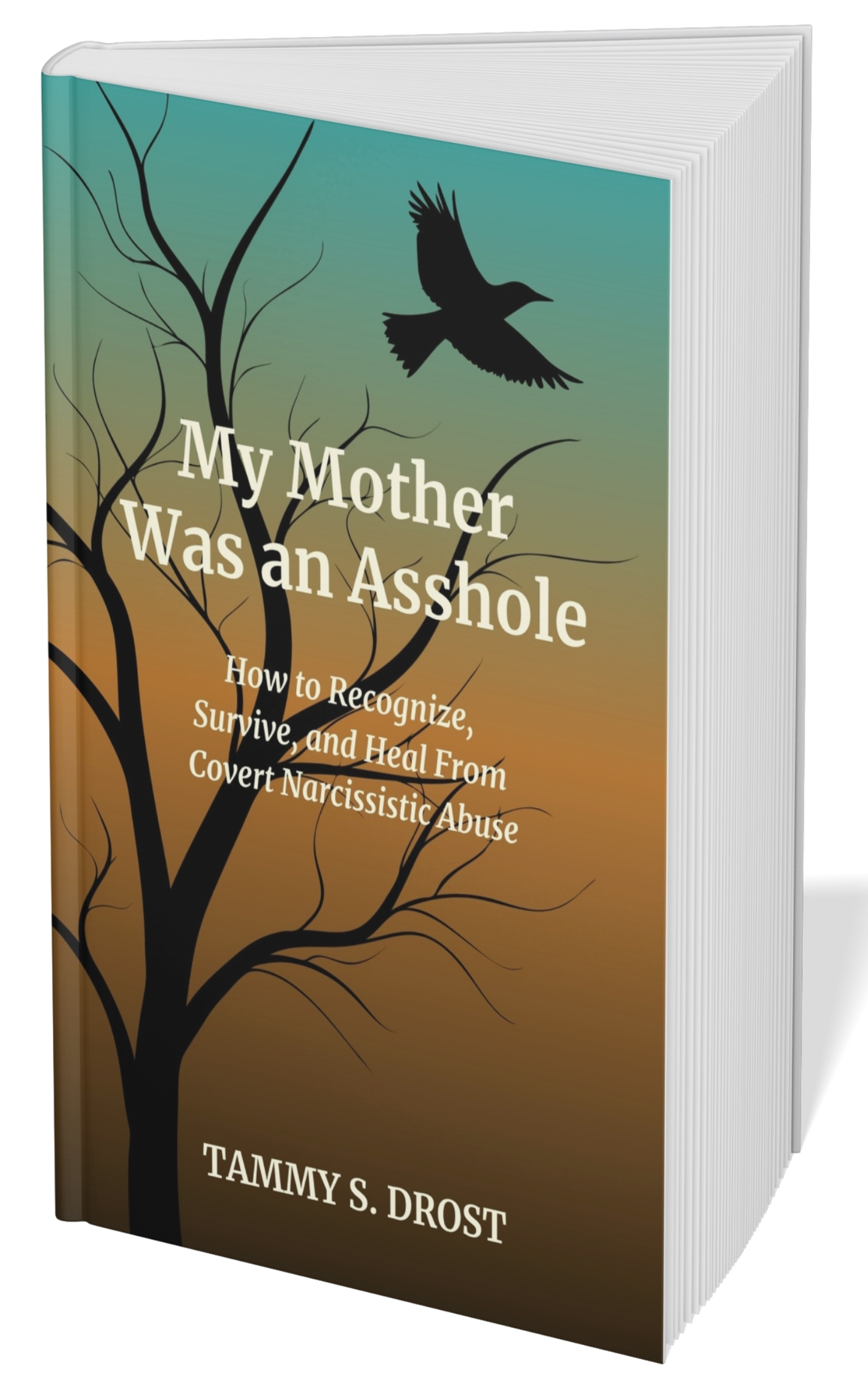

When I picked up My Mother Was an Asshole, I expected a raw memoir, and that’s exactly what I found, but it was also more than that. Tammy Drost takes us through her personal story of growing up with a covertly narcissistic mother, explaining what that abuse looked like behind closed doors. She moves from her childhood experiences of manipulation, silence, and conditional love to the heavy family roles she was forced into, and finally to the healing work she’s done to reclaim her identity. The book weaves her own memories with clear explanations, reflection prompts, and encouragement for survivors who are still carrying similar wounds. It’s both a testimony and a guide.
Reading this, I felt an odd mix of relief and sorrow. Relief because so many of her stories and observations rang true, as if she was putting words to things that never quite made sense until now. Sorrow because the pain she describes is the kind that lingers for decades and shapes entire lives. Her writing doesn’t hold back. She paints the covert narcissist not as the dramatic caricature we often picture, but as the smiling, churchgoing, casserole-bearing woman who suffocates her child with guilt instead of shouting. I appreciated the way she broke down family roles like the golden child, the scapegoat, the lost child, the mascot, and the flying monkeys. It made me think hard about how dysfunction assigns identities we never asked for.
At the same time, I was struck by how much courage it must have taken for her to write this book. It’s blunt, sometimes funny in a cutting way, and often gut-wrenching. There were parts I had to put down for a moment because the stories hit too close to home. But then I’d pick it up again, because the voice she writes in feels like sitting across from a friend who finally dares to say the thing you’ve both been swallowing for years. The writing isn’t clinical or dressed up in jargon. It’s plainspoken, raw, and full of the kind of honesty that makes you squirm, then breathe easier.
I would recommend this book to anyone who has ever walked away from a family gathering with that hollow feeling of “what just happened?” and couldn’t put their finger on why. It’s especially for daughters of narcissistic mothers, but I think anyone tangled in family dysfunction will find pieces of themselves here. It’s not always an easy read, but it’s a necessary one, and it leaves you feeling less alone. For me, that’s the highest praise I can give. It’s a book that tells the truth, even when the truth hurts.



 LITERARY TITAN