The Truth is Complex and Nuanced
Not Nicholson is more than a memoir about the search to find your biological family members; it is an invaluable resource for others who are also searching to discover their heritage. Why was this an important book for you to write?
I wanted to write this book in part because there is so much that many adoptees feel and think about that they never share with people (except when talking with other adoptees). There is unacknowledged trauma both in adoption itself and in the process of searching and the often mixed and changing results in reunion. Because I have been involved professionally with adoption, been involved in the “adoptee rights movement,” as well as having experienced these things myself, I think I am able to offer some helpful insight. I also wanted to be transparent about the emotional rollercoaster that search and reunion involve and help people learn from my mistakes to make their own journey a bit easier. I have always said to clients and others wanting to search (including myself) that you have to be willing to accept a very negative result, or you shouldn’t research. So often, the publicized accounts of adoption and of reunion are seemingly very happy, welcoming, and successful. The truth is more complex and nuanced, and I think it is good to realize that.
What were some ideas that were important for you to share in this book?
With respect to search and reunion, I think it is important to resist, or at least be aware of, confirmation bias, which keeps many searchers looking down the wrong road. It is also very important to realize that while we may have been thinking about and searching for a long time, the people we find are often caught by surprise or had no idea about our existence at all, and we need to give them time and grace to work through their own emotional responses.
I appreciated the candid nature with which you told your story. What was the hardest thing for you to write about?
The hardest thing to write about was reliving all of my rejections and disappointments. Of course, the death of my only child was particularly painful, and she was so much a part of my search, sharing my feelings about wanting to find my birth parents, that I wish she had been able to be a part of it all (she died 4 years after I “found”). She was a very empathetic person and an excellent writer, and I would have valued her input into the final manuscript. I write in the book about passing down certain things to my daughter and grandson, like family stories and Irish and Scottish culture, but while I found a large pedigree family tree, my own descendants are now down to one, and this genetic story might have reached its end. Writing the book brought into greater focus all of these issues of heritage and legacy and the fragility of life. I am glad that I have the good foundation from my adoptive family and the love and acceptance of some members of my birth family, as well as an abiding sense of humor and strong faith to come through it all positively. I firmly believe that going through hard things not only can make one stronger, but if it can be used to help other people, can make it meaningful as well.
What is one thing you hope readers take away from your story?
I hope readers will take away a more compassionate, informed view of their own or others’ adoption/search/reunion.
Author Links: GoodReads | Twitter
About the Author
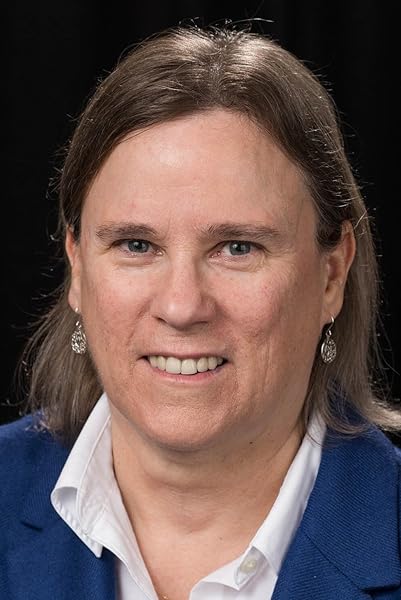
Since 1977, Ann Haralambie has been a trial and appellate attorney in Tucson, Arizona, focusing on children: custody, abuse and neglect, adoption, and child advocacy. Adopted in infancy in New York, where all records were sealed, she wanted to know her biological roots and the true stories of her birth families. As a preadolescent she knew that someday she would try to find her birth parents, even though she loved her adoptive family. After attending college and graduate school, earning a BA in Creative Writing and an MA in English Literature, she went to law school and learned about the new adoptee rights movement. She began her active search while still in law school, continuing for more than 35 years before finally finding the truth about her roots. She has been able to share those roots with her late daughter, Katherine, and grandson, Dominic. She lives in Tucson, Arizona and Silver Lake, New Hampshire, where she spends time protecting the loons and their chicks.
Posted on November 7, 2023, in Interviews and tagged adoption, Ann Haralambie, author, biography, book, book recommendations, book review, book reviews, book shelf, bookblogger, books, books to read, ebook, goodreads, indie author, kindle, kobo, literature, memoir, nonfiction, nook, Not Nicholson, novel, parent and adult child relationsips, read, reader, reading, story, true story, writer, writing. Bookmark the permalink. Leave a comment.



 LITERARY TITAN
Leave a comment
Comments 0