Awareness of Incivility
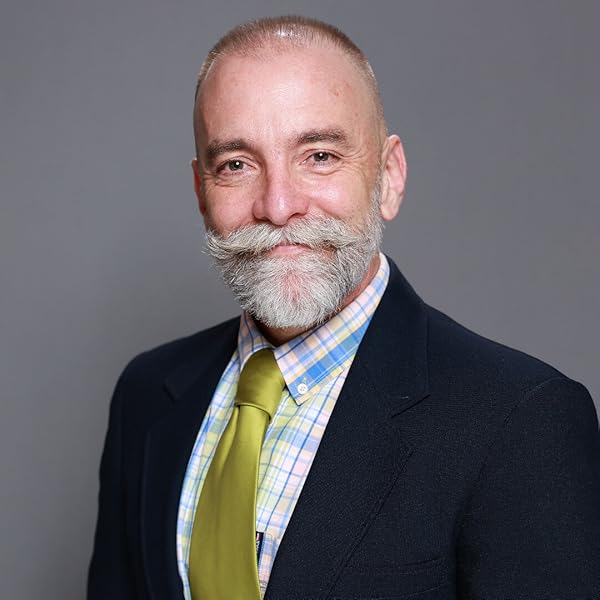
In Rudeness REHAB, you examine the impact of incivility and rude behaviors on both personal and professional relationships and provide readers with the tools necessary for creating a respectful culture. Why was this an important book for you to share?
I have worked as a clinician for nearly 30 years with clients who were struggling with the negative impact of stressful work environments on their personal and professional lives. Clients have learned tools and techniques from me individually and I wanted to bring these resources to a larger audience.
I heard Dr. Christine Porath speak at a conference in 2017 about her research on incivility and it was like a lightbulb went off for me. I wanted to know more, and I began to develop an expertise in this topic. I then witnessed what happened in our culture during the pandemic and felt a sense of urgency to raise awareness about what we are doing to each other when we act in rude and inconsiderate ways.
In addition, there is a personal angle to this as well. When I was 15, my father had a near-fatal heart attack, due in large part to the stress that he was experiencing in a highly demanding and uncivil work environment. He never worked again and died several years later at a very young age. My hope is that I can help executives like my father as well as other workers avoid this same tragedy that our family experienced.
What type of research was required to put your book together?
People often ask me this question. I note that the bulk of my research came from being an expert on rudeness and incivility over many years… that is, from being rude to others myself. :0)
Seriously, my professional training as a psychologist helped to grow my awareness of incivility and its negative effect. I had also developed an expertise over the years on stress and its physical/psychological impact on individuals through my work with clients and university teaching. This book is the merger of these areas of expertise and required some additional review of the literature to update my knowledge base on the various topics that I cover in the book.
What is one common misconception you believe many people have regarding conflicts in the workplace?
People think that being civil means being a doormat or not being competitive with others. Neither of these ideas is true. We can be polite but still say no to unreasonable requests and advocate for ourselves. We can even be angry about something and communicate that directly without our behavior devolving into name-calling or abusive language.
What is one thing you hope readers take away from Rudeness Rehab?
When I was a child, my sister and I would always try to get our parents to allow us to do things the other kids in the neighborhood were doing. We would go to my dad (who was often reading the paper) and make our request by saying, “Dad, the other kids in the neighborhood are doing this. Why can’t we?” The paper would then come down, he would look at us and say, “Oh, what is their last name and what is your last name?” The paper would then go back up.
I would offer this same message when it comes to rudeness. Each of us can only be responsible for our behavior but we ARE responsible for our behavior. We have the choice about how we react to others, regardless of what they may do. Take responsibility for your own actions to help make the world a better place.
Author Links: LinkedIn | Facebook | YouTube | Website | Amazon
Posted on December 18, 2024, in Interviews and tagged author, book, book recommendations, book review, Book Reviews, book shelf, bookblogger, books, books to read, Business Conflict Resolution & Mediation, business etiquette, Business Image & Etiquette, ebook, goodreads, indie author, John O’Brien, kindle, kobo, literature, nonfiction, nook, novel, read, reader, reading, Rudeness REHAB, self help, story, writer, writing. Bookmark the permalink. Leave a comment.



Leave a comment
Comments 0