A Guide to Jazz in Japan
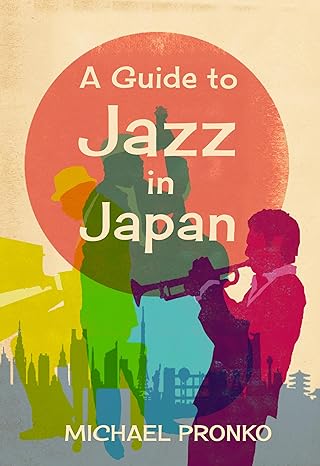

Michael Pronko’s A Guide to Jazz in Japan is more than just a directory of Tokyo’s jazz clubs—it’s a love letter to a city’s hidden rhythm. The book maps out the complex, pulsing scene of Japanese jazz with detailed entries on clubs, musicians, jam spots, and the culture that surrounds them. It’s part guidebook, part memoir, and part cultural essay, told with the warmth of someone who’s not only observed this world for decades but been deeply moved by it. From intimate back-alley venues in Kichijoji to storied mainstays like Shinjuku’s Pit Inn, Pronko captures the flavor of a scene that lives in shadows, thrives in basements, and beats with an energy all its own.
What struck me most was the clarity and sincerity of Pronko’s voice. He doesn’t write from a distance. He writes like someone who’s spent years leaning on club counters, sipping whisky, letting drums and saxophones rattle his bones. The descriptions of venues are vivid, practical, and full of soul. There’s no marketing gloss here. He tells you when a club’s cramped, when the food’s just okay, when you’ll need to duck past the bassist to get in. That honesty makes the whole book feel trustworthy. His passion for the music and the people who play it bubbles through every sentence.
But it’s the cultural insight that really elevates the book. Pronko dives deep into why jazz has taken root in Japan in such a powerful way—how the quiet devotion of its fans mirrors the precision of the music, how musicians practice and play with a kind of reverent intensity, how clubs have become sanctuaries of expression in a society that prizes decorum. The essays toward the end of the book, especially those on the history of jazz in Japan and its fit within the broader cultural landscape, are fascinating. He writes with affection, but not blind admiration. He notes the silences, the exclusions, the places still hidden from outsiders. It’s generous and sharp all at once.
I’d recommend A Guide to Jazz in Japan to anyone curious about music, travel, or Japanese culture. Jazz lovers will find it invaluable, like a backstage pass to a thriving, undersung world. But even if you’ve never set foot in a club, you’ll find something to love here. The writing sings, the details spark, and the emotion lingers. This is a guidebook, yes, but it’s also a beautiful meditation on place, passion, and the way music makes a foreign land feel like home.
Pages: 358 | ASIN : B0DZZCSXVM


Posted on May 6, 2025, in Book Reviews, Five Stars and tagged A Guide to Jazz in Japan, author, book, book recommendations, book review, Book Reviews, book shelf, bookblogger, books, books to read, ebook, ethnomusicology, goodreads, indie author, Japan Travel Guides, Japanese Travel, jazz, kindle, kobo, literature, michael pronko, music, nonfiction, nook, novel, read, reader, reading, story, Tokyo Travel Guides, writer, writing. Bookmark the permalink. Leave a comment.



 LITERARY TITAN
Leave a comment
Comments 0