Triumphs and Tragedies
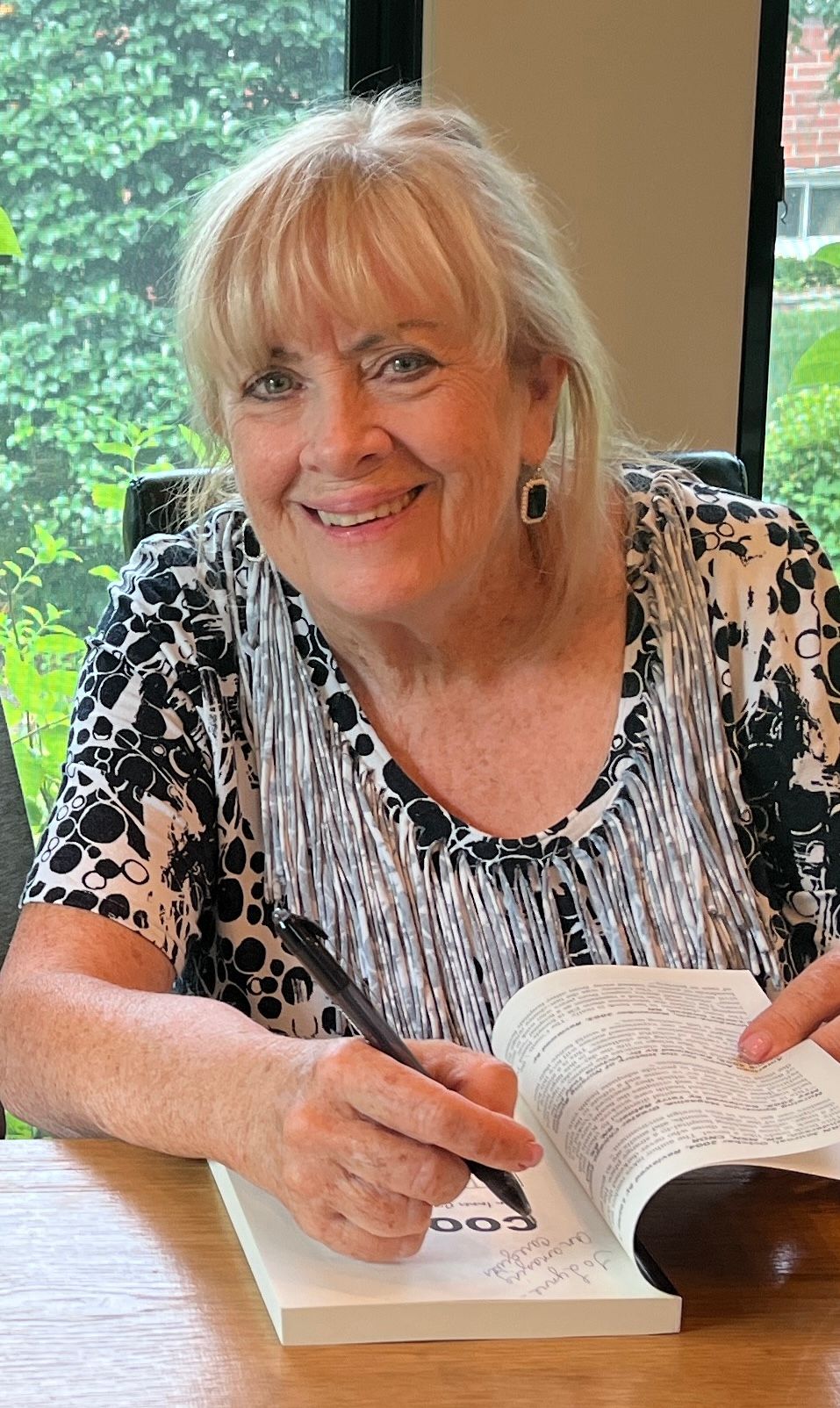
In War of the Words, you share your family’s experience building the company that shaped the modern office and the crushing blow that came with the Information Age. Why was this an important book for you to write?
It’s an untold story—that of the early days of tech innovation, before Silicon Valley. The earliest implementers of tech were secretaries who had to convert from typewriters to word processors. Ultimately, these women became the ones who transformed their offices into full-blown automated offices. Office automation elevated everyone. The crushing blow came to companies such as ours that couldn’t compete with Microsoft’s power and money. Few small companies and even some tech giants could.
I appreciate the candor with which you tell your family’s story. What was the most difficult thing for you to write about?
My memoir has twists and turns, triumphs and tragedies. My mother’s devastating illness, my father’s allegiance to a “new Age Cult,” and my brother’s alcoholism all contribute to the arc the story takes. The rise and fall of a most unusual company that was instrumental in the dawn of the Information Age.
What advice would you give someone who is considering writing a memoir? Why are you writing it?
To inspire, to heal? Give yourself time to reflect, to pause, as you write. Memoirs bring up emotions that have to be dealt with, and some can stop your progress. Allow time to heal as you write, for writing a memoir is a healing process. By sharing your story, perhaps others can heal or be inspired.
What is one thing you hope readers take away from your family’s experiences?
Take chances. Live a full and exciting life. Make a difference. Try something new. Be daring.
Author Links: GoodReads | Website | Amazon
Despite its clunky name, MASS-11 was a powerhouse–loaded with features, lightning-fast in performance, and trusted by a Who’s Who of the Fortune 500. Scientists, engineers, and office workers alike used it to document pivotal developments, including the Patriot Missile, the Hubble Space Telescope, the Alaska Pipeline, the first HIV test, and major pharmaceuticals like Zoloft, Zithromycin, and Prozac.
The Karels brothers, through their company MEC, saw the untapped potential of the VAX computer before DEC itself realized its impact on office automation. The author, a nurse by profession who joined the family startup from the beginning, offers an insider’s view of an industry undergoing rapid and radical change–an industry that would ultimately reshape society.
She reflects on the grueling world of office work before digital transformation, where secretaries typed on IBM Selectrics from nine to five, only to retype entire documents the next day for even minor corrections. With vivid detail, she captures a rarely told slice of history: the monochrome, repetitive rhythm of office life before the rise of word processors, email, fax machines, and the Internet changed everything.
Posted on January 27, 2026, in Interviews and tagged author, Biographies of Business & Industrial Professionals, biographies of business professionals, biography, book, book recommendations, book review, Book Reviews, book shelf, bookblogger, books, books to read, business professionals, Carol Karels, ebook, goodreads, indie author, kindle, kobo, literature, memoir, nook, novel, read, reader, reading, story, War of the Words: The Office Revolution That Transformed the Lives of Women and the Men They Worked For, writer, writing. Bookmark the permalink. Leave a comment.



 LITERARY TITAN
Leave a comment
Comments 0