Blog Archives
Humanizing Mental Health Issues

Reconstruction Quest: A Neurodivergent Journey is a powerful and deeply personal memoir that takes readers through the complexities of living as a neurodivergent individual. Why was this an important book for you to write?
There is a lot of stigma that comes with having a mental health issue and I think that when we tell our stories we help normalize and humanize having these conditions. It’s important for me to take part in that fight. It was important on a personal level, in that reprocessing my experiences and looking back with a critical lens has helped me make sense of my life better.
What were some ideas that were important for you to share in this book?
The language we use for ourselves is important because in ways it dictates where we go next. If I see myself as lazy, I may feel justified to be lazy. However, if I see myself as a good person… Also, I believe we all have the power to improve ourselves in some way or another.
I appreciated the candid nature with which you told your story. What was the hardest thing for you to write about?
Thank you. The hardest parts to revisit were my times in the psych ward. That was a very tough time in my life, however, by doing so (writing about it) I feel more at peace with what I’ve gone through.
What do you hope is one thing readers take away from your story?
Recovery from serious mental illness is possible. It may not be a straight line and you may always experience ups and downs, but there is always hope of a better tomorrow.
Author Links: GoodReads | Website
Reconstruction Quest
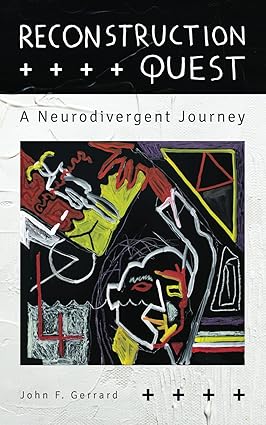

Reconstruction Quest: A Neurodivergent Journey by John F. Gerrard is a powerful and deeply personal memoir that takes readers through the complexities of living as a neurodivergent individual. Gerrard’s life story is a candid exploration of what it means to navigate a world designed for neurotypical brains, while also grappling with the additional challenges of depression, mental health struggles, and substance abuse. His journey is raw and unfiltered, revealing how these battles often feel like an internal war. Through a series of vulnerable, heartfelt stories, Gerrard recounts his experiences—from being teased with cruel nicknames in school to experimenting with cannabis as a teen, to the moments he found solace in faith and community. Each chapter reveals a pivotal moment in his quest to reconstruct his life and move forward.
What truly stands out in this memoir is Gerrard’s openness. He doesn’t just share events from his past—he offers present-day reflections on those moments, creating a unique conversational style. It feels as though he’s speaking directly to the reader, adding a layer of intimacy and connection that makes the book feel deeply personal. The way he blends past experiences with his current understanding makes the narrative both relatable and engaging. Gerrard’s psychological self-awareness is evident throughout the memoir. Coming from a background in psychology, I can confidently say his introspective approach shines through, particularly in his discussion of depression. He opens up about his struggles with a level of vulnerability that is both honest and inspiring. In one chapter, he speaks of depression but notes his awareness that it doesn’t define his entire life. Despite the darkness, he recognizes that love from family and friends is present, and he contemplates how even small changes—like adjusting the way he moves his body—might influence his mental state. His message is clear: depression, or any mental health issue, is not the full picture. There is always more to life, and things can improve with time and effort.
Reconstruction Quest is more than a memoir; it’s a vital conversation starter about neurodivergence, mental health, and substance abuse—topics that still aren’t discussed enough in society. Gerrard’s bravery in sharing his story so openly, wearing his heart on his sleeve, makes this book not only compelling but necessary. It’s one of the rare works that addresses the intersection of neurodivergence and mental health with such depth and empathy. I highly recommend this book to anyone looking to understand more about neurodivergence, mental health, or personal growth. Gerrard’s story is one of resilience, and his memoir is sure to inspire and inform anyone going through similar challenges.
Pages: 151 | ASIN : B0DFDG8YHY




 LITERARY TITAN