Blog Archives
THE BROKEN MIRROR (A transition from military and civilian lifestyle and beyond


The Broken Mirror is a raw and unflinching account of a soldier’s life after war. It begins with his transition from military service into civilian life, tracing the jagged path of PTSD, broken family ties, and personal battles that stretch across decades. He writes about his service, his divorce, the loss of his parents, the distance with his daughter, and the constant shadow of invisible demons. This isn’t a straight line memoir. It’s more like a series of entries pulled directly from his mind and heart, sometimes sharp, sometimes wandering, always honest. This is a story about survival, regret, and the hope that love, especially the love between a father and daughter, can outlast the damage of war.
Some passages were tough to get through because of how blunt he is. I could feel the pain dripping from them. I admired his bravery for putting it all out there. He’s not pretending to be a hero. He’s showing the ugliness and the shame alongside the small moments of healing. His style jumps around, which mirrors the chaos of PTSD. It was hard to follow at first, but then I realized it pulled me closer to his state of mind. It felt less like I was reading a neatly packaged book and more like I was sitting across from him while he unloaded years of grief and rage.
There’s also a tenderness in these pages that surprised me. His love for his daughter is obvious and heartbreaking. I could feel his desperation to make sure she knows he tried, that he never stopped caring, even when he fell apart. Those parts made me pause and think about the weight kids carry when parents stumble. His reflections on family, loyalty, and betrayal were heavy, but they were also deeply relatable. He doesn’t ask for pity. He just wants someone to hear him out, to acknowledge that the fight doesn’t end when the uniform comes off.
I walked away from this book feeling grateful. I’d recommend this stirring memoir to anyone who wants to understand what living with PTSD feels like from the inside. It’s especially important for family members of veterans because it shows the ripple effects of war long after the battlefield is gone. And for veterans themselves, it might feel like sitting with a brother-in-arms who isn’t afraid to tell the truth. The Broken Mirror is powerful, and it left me with a deep respect for the fight he continues every day.
Pages: 142 | ASIN : B0DLLD2CXC

The Stress is Gone Method


Brett Cotter’s The Stress is Gone Method is a hands-on guide designed to help readers navigate stress, anxiety, and trauma. It provides a step-by-step process that combines breathwork, emotional awareness, and self-reflection exercises. The workbook is structured with techniques aimed at stopping stress quickly, healing deep-seated trauma, and creating a lower-stress lifestyle. Cotter pulls from years of experience in coaching and trauma recovery to provide readers with practical, easy-to-follow methods for reclaiming peace in their daily lives.
Cotter avoids overcomplicating things, making it easy for anyone, regardless of experience with self-help work, to jump in and start applying the techniques. The Stress Stopper Breathwork method, for instance, is explained so simply that it feels natural to try right away. When he describes touching the tension, breathing deeply, and repeating “I’m okay,” it feels like a small, doable shift, yet it can have a huge impact. I found myself trying it while reading and noticing an immediate sense of calm. The book constantly encourages actionable steps, which sets it apart and a step above many other self-help books
Another aspect I found compelling was how Cotter approaches trauma. Instead of getting lost in clinical explanations, he writes with a tone that feels understanding and personal. The chapter on “Releasing Emotional Pain in Minutes” stood out to me because it acknowledges that some stress isn’t just about the moment, it’s about unresolved pain that needs deeper work. The guided exercises in this section, such as writing freedom statements and identifying core fears, push the reader to confront emotions in a way that’s gentle but effective. It felt refreshing to read a book that doesn’t just tell you to “let it go” but actually shows you how.
Some parts of the book reinforce key concepts multiple times, which can be helpful for deepening understanding. Techniques like breathwork and affirmations are presented in slightly different ways across chapters, making it easier to absorb and apply them in various contexts. This approach is especially beneficial for those using the workbook over time, as it ensures that important ideas are always within reach. Even if you’re looking for quick insights, the repetition means that no matter where you start, you’ll still get a solid foundation in the core principles.
This workbook is a fantastic tool for anyone looking to actively work on stress management and emotional healing. It’s especially useful for those who struggle with anxiety, past trauma, or recurring negative thoughts. If you prefer a hands-on approach to self-improvement rather than just theory, this book is well worth diving into. Cotter’s methods are simple but powerful, and if you commit to using them, you’ll likely see real changes in how you handle stress and emotional pain. Whether you’re new to self-care or already deep into personal development, The Stress is Gone Method provides valuable techniques that you can integrate into daily life with ease.
Pages: 79 | ASIN : B0DST7MPMM
Humanizing Mental Health Issues

Reconstruction Quest: A Neurodivergent Journey is a powerful and deeply personal memoir that takes readers through the complexities of living as a neurodivergent individual. Why was this an important book for you to write?
There is a lot of stigma that comes with having a mental health issue and I think that when we tell our stories we help normalize and humanize having these conditions. It’s important for me to take part in that fight. It was important on a personal level, in that reprocessing my experiences and looking back with a critical lens has helped me make sense of my life better.
What were some ideas that were important for you to share in this book?
The language we use for ourselves is important because in ways it dictates where we go next. If I see myself as lazy, I may feel justified to be lazy. However, if I see myself as a good person… Also, I believe we all have the power to improve ourselves in some way or another.
I appreciated the candid nature with which you told your story. What was the hardest thing for you to write about?
Thank you. The hardest parts to revisit were my times in the psych ward. That was a very tough time in my life, however, by doing so (writing about it) I feel more at peace with what I’ve gone through.
What do you hope is one thing readers take away from your story?
Recovery from serious mental illness is possible. It may not be a straight line and you may always experience ups and downs, but there is always hope of a better tomorrow.
Author Links: GoodReads | Website
Reconstruction Quest
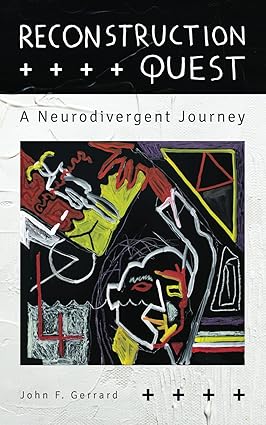
Reconstruction Quest: A Neurodivergent Journey by John F. Gerrard is a powerful and deeply personal memoir that takes readers through the complexities of living as a neurodivergent individual. Gerrard’s life story is a candid exploration of what it means to navigate a world designed for neurotypical brains, while also grappling with the additional challenges of depression, mental health struggles, and substance abuse. His journey is raw and unfiltered, revealing how these battles often feel like an internal war. Through a series of vulnerable, heartfelt stories, Gerrard recounts his experiences—from being teased with cruel nicknames in school to experimenting with cannabis as a teen, to the moments he found solace in faith and community. Each chapter reveals a pivotal moment in his quest to reconstruct his life and move forward.
What truly stands out in this memoir is Gerrard’s openness. He doesn’t just share events from his past—he offers present-day reflections on those moments, creating a unique conversational style. It feels as though he’s speaking directly to the reader, adding a layer of intimacy and connection that makes the book feel deeply personal. The way he blends past experiences with his current understanding makes the narrative both relatable and engaging. Gerrard’s psychological self-awareness is evident throughout the memoir. Coming from a background in psychology, I can confidently say his introspective approach shines through, particularly in his discussion of depression. He opens up about his struggles with a level of vulnerability that is both honest and inspiring. In one chapter, he speaks of depression but notes his awareness that it doesn’t define his entire life. Despite the darkness, he recognizes that love from family and friends is present, and he contemplates how even small changes—like adjusting the way he moves his body—might influence his mental state. His message is clear: depression, or any mental health issue, is not the full picture. There is always more to life, and things can improve with time and effort.
Reconstruction Quest is more than a memoir; it’s a vital conversation starter about neurodivergence, mental health, and substance abuse—topics that still aren’t discussed enough in society. Gerrard’s bravery in sharing his story so openly, wearing his heart on his sleeve, makes this book not only compelling but necessary. It’s one of the rare works that addresses the intersection of neurodivergence and mental health with such depth and empathy. I highly recommend this book to anyone looking to understand more about neurodivergence, mental health, or personal growth. Gerrard’s story is one of resilience, and his memoir is sure to inspire and inform anyone going through similar challenges.
Pages: 151 | ASIN : B0DFDG8YHY
Overcoming Anxiety and Depression; Practical Strategies for Managing Symptoms, Embracing Well-Being, Achieving Long-Term Holistic Health
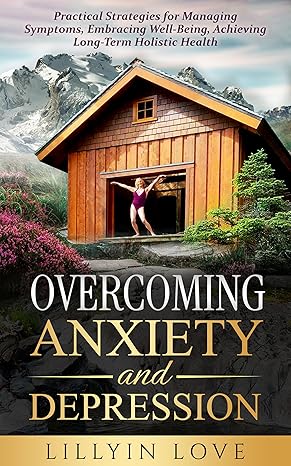
Lillyin Love’s Overcoming Anxiety and Depression: Practical Strategies for Managing Symptoms, Embracing Well-Being, Achieving Long-Term Holistic Health is a self-help guide designed to empower readers struggling with anxiety and depression. The book combines practical tools, such as breathing techniques and mindfulness practices, with a focus on holistic well-being, covering topics like diet, exercise, and sleep. Love offers strategies to build resilience and manage symptoms effectively while weaving in personal insights and evidence-based therapies.
Lillyin Love’s Overcoming Anxiety and Depression takes you on an emotional journey in the best way possible. It is more than just a guide; it feels like an immersive experience. Love’s writing is like sitting down with a close friend who truly gets what you’re going through. There’s no preaching or pretending here, just honest, empathetic storytelling that makes you feel seen and understood. She has a remarkable gift for transforming heavy topics like depression and anxiety into something relatable and even beautiful.
Through Victoria’s story, she weaves in therapy, mindfulness, and the healing power of nature in a way that feels both natural and profound. Readers walk alongside Victoria, experiencing every challenge and victory. The vivid imagery, like the calming clouds of relaxation and Victoria’s unbreakable spirit, stays with you long after you’ve turned the last page. You’re not just a reader; you’re living the journey alongside her. And here’s the best part, Love doesn’t stop at inspiration. She arms you with practical tools, strategies, and motivation to make meaningful changes in your own life. It’s a rare blend of personal development and captivating storytelling, and it works beautifully. It is worth noting that, at times, the prose becomes a bit poetic, and I feel this approach may not appeal to all readers. However, this is a minor detail in an exceptional and impactful book.
If you’re searching for a book that will challenge you, help you grow, and leave you feeling empowered, this is it. Lillyin Love’s Overcoming Anxiety and Depression is a must-read for anyone facing anxiety, depression, or simply in need of some inspiration.
Pages: 316 | ASIN : B0CY5LR7W1
Walking Wounded

From Depression to Contentment: A Self-Therapy Guide is a book that provides help for readers who are experiencing depression and desire an alternative to outside therapy. It presents well-researched techniques and methods that are straightforward to implement. Why was this an important book for you to write?
Actually, the book title addresses depression because my publisher is very firm: each book should seem to limit itself to one problem. However, psychotherapy doesn’t actually work like that. With suitable modification, essentially the same tools will provide a path out of chronic anxiety, addictions, anger… basically, human suffering. This is because, as I say in the book, classifications like in the Diagnostic and Statistical Manual are basically science fiction.
Second, the therapy bit is only halfway, from ongoing agony to “normal,” which is the walking wounded. Then the tools of positive psychology and Buddhist psychology allow you to rise WAY above that.
This book is the distillation of decades of my personal experience, study, and therapeutic practice. I wrote it to be of service to as many people as possible, then a few more.
How much research did you undertake for this book and how much time did it take to put it all together?
In a way, no research at all — specifically for this book. When I started university, I decided not to go into Medicine because it was a 6-year course, then at least 4 more years of training. Then, overall I spent 14-and-a-half years as a student. And in my profession, you don’t ever stop learning. A condition of being registered is continuous study. And even though I retired in 2013, I have kept up with new research, just from interest.
So, while this research and study were not for the book, all that information and knowledge is in there. Well, it is, up to the publication date. It’s annoying, but when I sent my time machine in for service, they returned it to an alternative universe. What’s happened since is only marginal, but it doesn’t matter all that much, because therapy, including self-therapy, will work if three conditions are present, as Carl Rogers has described. These are empathy, love of the kind Buddha, Jesus and many other sages have told us to give to everyone, and genuineness. That last one is that it has to be honest.
What were some ideas that were important for you to share in this book?
• Chronic emotional suffering beyond what the situation warrants is always due to the interaction of
several factors. One of them is childhood trauma, as seen through the child’s eyes.
• Depression, chronic anxiety and the like are not due to faulty brain chemistry.
• Using the tools I teach in the last part of the book, you can live a contented life in any situation.
What is one thing that you hope readers take away from From Depression to Contentment?
The more you give, the more you get, and also the more you grow.
Author Links: GoodReads | Twitter | Facebook | Linkedin | Mastodon | Website
Every tool in this book is based on research, but presented in an easy to understand, easy to apply manner.
With homework assignments, you will find your inner strengths, uncover the true source of happiness and develop great resilience.
Learn how to put the philosophies of all great religions to practical use, even if you are an atheist.
This program can help you start a new life – one of meaning, positivity and purpose.
Unlike instructional books, this book is not only useful but also enjoyable.
From Depression to Contentment: A self-therapy guide
From Depression to Contentment: A Self-Therapy Guide, by Bob Rich, is an enlightening and approachable book that tackles the complex topic of depression. Rich’s book is not just a clinical discourse but a practical guide filled with empathy that draws from the author’s own experiences and psychological expertise.
Rich’s writing style is both engaging and easy to understand, a breath of fresh air in the often technical world of psychological self-help books. His personal anecdotes add a level of authenticity that’s both relatable and inspiring. The book’s approach of viewing depression not just as a medical issue but as a perspective on life is a refreshing angle. It challenges readers to rethink their own views on depression, making it an engaging read for anyone interested in mental health.
The book is skillfully structured, guiding the reader through various strategies, from basic self-care to deep psychological work. Particularly impressive is the chapter on “Controlling Depression,” where Rich introduces practical methods to reframe negative thoughts, encouraging a proactive stance in dealing with depressive thoughts. It is worth noting that some readers may find the chapter on spirituality less applicable, depending on their personal beliefs.
The conclusion of the book underscores a crucial message – the importance of actively applying these strategies in one’s life. This is where Rich’s guide distinguishes itself; it’s not just informative but also motivational.
From Depression to Contentment is a highly recommended read for anyone who is struggling with depression or has an interest in mental health. It’s particularly suited for readers seeking a blend of professional insight and practical, easy-to-implement strategies.
Pages: 157 | ASIN : B07PGQMP4Q

It’s All About You: A Guide to Good Mental Health and Wellness
When the discourse veers towards mental health, there seems to be a binary reaction: either a welcoming embrace of the therapeutic landscape or, unfortunately, a prevailing dismissal of the mere prospect of seeking therapy. The latter reaction, all too common, often stems from societal stigma, ingrained behavioral patterns, or the simple fear of the unknown.
In her compelling book, Cynthia Rapazzini deftly navigates the intricate maze of mental health, drawing upon her extensive professional experience and individual encounters with clients. The book delves deep into not just the surface-level issues but also addresses more profound questions concerning mental health, gradually unfurling the author’s insightful perspective in every chapter.
Rapazzini first assists readers in comprehending the complexities of mental illness, debunking myths that persist around this topic, and candidly sharing her personal journey. Then, she talked about a pivotal moment in her life when her son’s illness made her realize that seeking professional help was not a sign of weakness but rather a courageous step toward self-improvement.
The author further explores the many reasons why individuals may shun therapy, such as ignorance, societal prejudices, and fear of judgment from their social circles. She posits that we’ve created a societal image that erroneously suggests that seeking professional help equates to inviting judgment.
Rapazzini doesn’t shy away from addressing the misconceptions she has encountered in her practice, particularly those about therapists or psychologists being unable to comprehend or assist their clients. In this vein, she provides the reader with valuable insights for choosing the right therapist.
She underscores the multifaceted impacts of mental illness, not only on the individuals grappling with it but also on their immediate environment. She elucidates how societal stigma can affect employers’ attitudes, leading to a vicious cycle where those suffering from mental illness resist seeking help for fear of job loss.
Additionally, Rapazzini’s book thoughtfully details the most prevalent mental illnesses, their symptoms, and guidelines for handling a child’s mental disorder.
The book’s conclusion particularly resonated with me, which emphasizes balanced well-being and includes a reflective worksheet with numerous self-care questions. This gesture further solidifies Rapazzini’s holistic approach toward mental health.
Cynthia Rapazzini’s compelling narrative confronts the challenging themes of mental health and mental illness, offering invaluable insights from a seasoned professional’s perspective. It’s All About You is an absolute must-read; it answers numerous mental health queries and initiates an open conversation about mental wellness. It’s a valuable addition to any reader’s library and a crucial step towards de-stigmatizing mental health.
Pages: 110 | ASIN : B0794TYY6B


