Blog Archives
Our Global Crisis
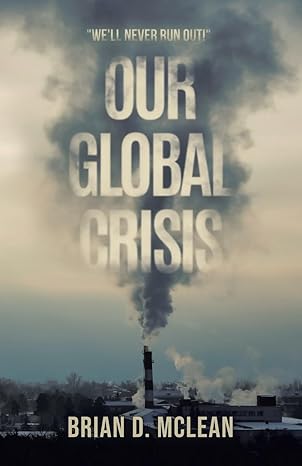

Brian McLean’s Our Global Crisis is a sobering exploration of humanity’s impact on the environment and the systems that underpin our global society. Drawing comparisons between historical collapses of civilizations, like Rapa Nui, and the current trajectory of our interconnected world, McLean crafts a compelling narrative about the consequences of unsustainable practices and human shortsightedness. The book delves into topics ranging from overexploitation of resources, as illustrated by the extinction of the passenger pigeon, to the structural vulnerabilities of modern society, offering both cautionary tales and hopeful visions.
McLean’s writing is both educational and provocative. I found his account of the passenger pigeon extinction in the opening chapter especially haunting. The sheer numbers—billions of birds gone in mere decades—felt like a punch to the gut. This wasn’t just about pigeons; it was about how greed and the “tragedy of the commons” spiral out of control. He doesn’t mince words when connecting this loss to modern issues like deforestation and overfishing. At times, I felt overwhelmed by the grimness of it all, but his ability to weave historical anecdotes with modern parallels kept me riveted.
What really stands out to me is McLean’s ability to critique without partisanship. He doesn’t simply rail against “Big Oil” or blindly champion environmentalism. Instead, he dissects the failures of all sides; industry, policy, and individual inaction. McLean’s exploration of solutions in the latter chapters felt grounded and achievable. His vision for a society where humanity operates as thoughtful stewards of the biosphere resonated with me. I particularly enjoyed his reflections on the COVID-19 pandemic as a “litmus test” for global adaptability. While the pandemic highlighted our collective weaknesses, McLean also saw it as proof of our potential for rapid change.
Our Global Crisis is both a warning and an invitation to act. It forces you to confront uncomfortable truths about humanity’s flaws and responsibilities. But it’s also inspiring for those ready to face these challenges. I’d recommend this book to anyone interested in environmental issues, sustainability, or even just understanding the bigger picture of human existence.
Pages: 640 | ASIN : B0DJ689PHQ

Climate Dragon: Treachery, Pestilence & Weirding Weather
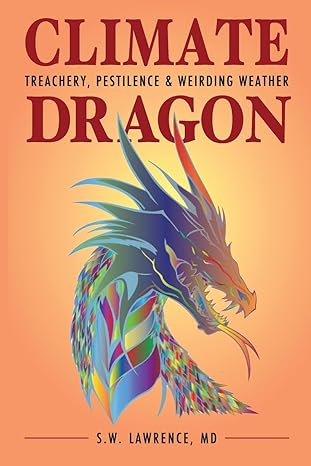

Climate Dragon is a thrilling and intellectually stimulating novel that delves into the multifaceted challenges of our rapidly changing world. Through a mix of speculative fiction, scientific discourse, and suspenseful narrative, author S W Lawrence presents a tale where the existential threats of climate change, cyber warfare, and pandemics collide in a world that feels unnervingly close to our own. The novel’s protagonist embarks on a journey that not only confronts these global crises but also offers a glimpse into the ethical and personal struggles that come with facing such overwhelming challenges.
From the outset, I found Lawrence’s writing to be both engaging and deeply informative. On one hand, the in-depth exploration of nuclear energy, climate science, and cyber threats adds a layer of authenticity and urgency to the story. For instance, the chapter “Quantum Weirdness” meticulously breaks down the intricacies of nuclear physics in a way that is both accessible and relevant to the plot. However, there were moments when I felt the technical exposition might feel overwhelming to those not already familiar with these subjects. Lawrence strikes a delicate balance.
Lawrence crafts characters that are both relatable and complex, each embodying different facets of the larger themes at play. The protagonist’s internal conflict, caught between personal desires and a sense of global responsibility, is particularly compelling. I found the dynamic between the protagonist and secondary characters, such as Emmanuelle and Ben, to be a highlight, adding depth and emotional resonance to the narrative. The portrayal of the protagonist’s evolving perspective on the ethical implications of their actions was thought-provoking, especially in the context of the novel’s broader commentary on climate change and human impact on the planet.
Despite the novel’s many strengths, there are sections where the pacing slows, particularly when the story delves into more technical discussions or philosophical musings. While these segments are integral to the book’s thematic depth, they may not appeal to readers looking for a more fast-paced, action-driven narrative. However, for those willing to engage with these slower moments, they offer valuable insights and add layers of meaning to the overall story.
Climate Dragon is a novel that will resonate with readers who enjoy speculative fiction grounded in real-world science and contemporary issues. Lawrence’s ability to weave complex themes into an engaging narrative makes this book a standout in the genre.
Pages: 298 | ASIN : B0CWPRTVD9
A Plan to Save the Planet
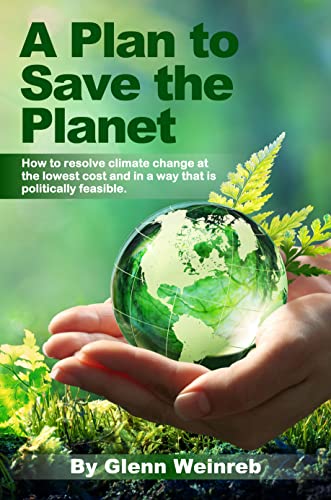
A Plan to Save the Planet by Glenn Weinreb is a fascinating research-based book on how to do exactly what it says- to save the earth. This book consists of Weinreb’s ideas on how to live in a more “green” way, using political and capitalist influence to help reduce the number of Carbon emissions into the atmosphere. He acknowledges that he understands Carbon’s attractiveness to make a profit. This is the perspective Weinreb takes as he covers each excuse people use against being more “green” while presenting it in a research-based way that is easy to understand. Overall, this book is an excellent look into saving the planet by cutting down on Carbon emissions using real-life examples and potential solutions.
For the most part, this book was an exciting read, but I felt that some of the statements made could make people who may disagree with the ideas in the book less receptive. For example, in the first few pages, the author writes that people who don’t support decarbonization “believe it is unimportant or prefer someone else to be inconvenienced.” When writing persuasively, statements such as this can harm one’s argument, especially if the reader is offended from the beginning of the text.
Despite this, I think there were some great points made throughout. These points are so successful because Weinreb supports them with graphs, data, and other reliable sources of information. I think this book would be an excellent read for people passionate about creating a greener world by reducing carbon emissions, as well as educating those who may not be as passionate about it.
A Plan to Save the Planet: How to resolve climate change at the lowest cost and in a way that is politically feasible is an informative book covering an important topic that affects everyone. The author has presented his findings in a way that the average reader can understand, and will not need a degree in science to understand the process he has laid out. I recommend this book to those who want to make a difference and, as the title says, save the planet for future generations to come.
Pages 166 | ASIN : B0BNLWCZ2D



 LITERARY TITAN