Blog Archives
Commi Kitchen
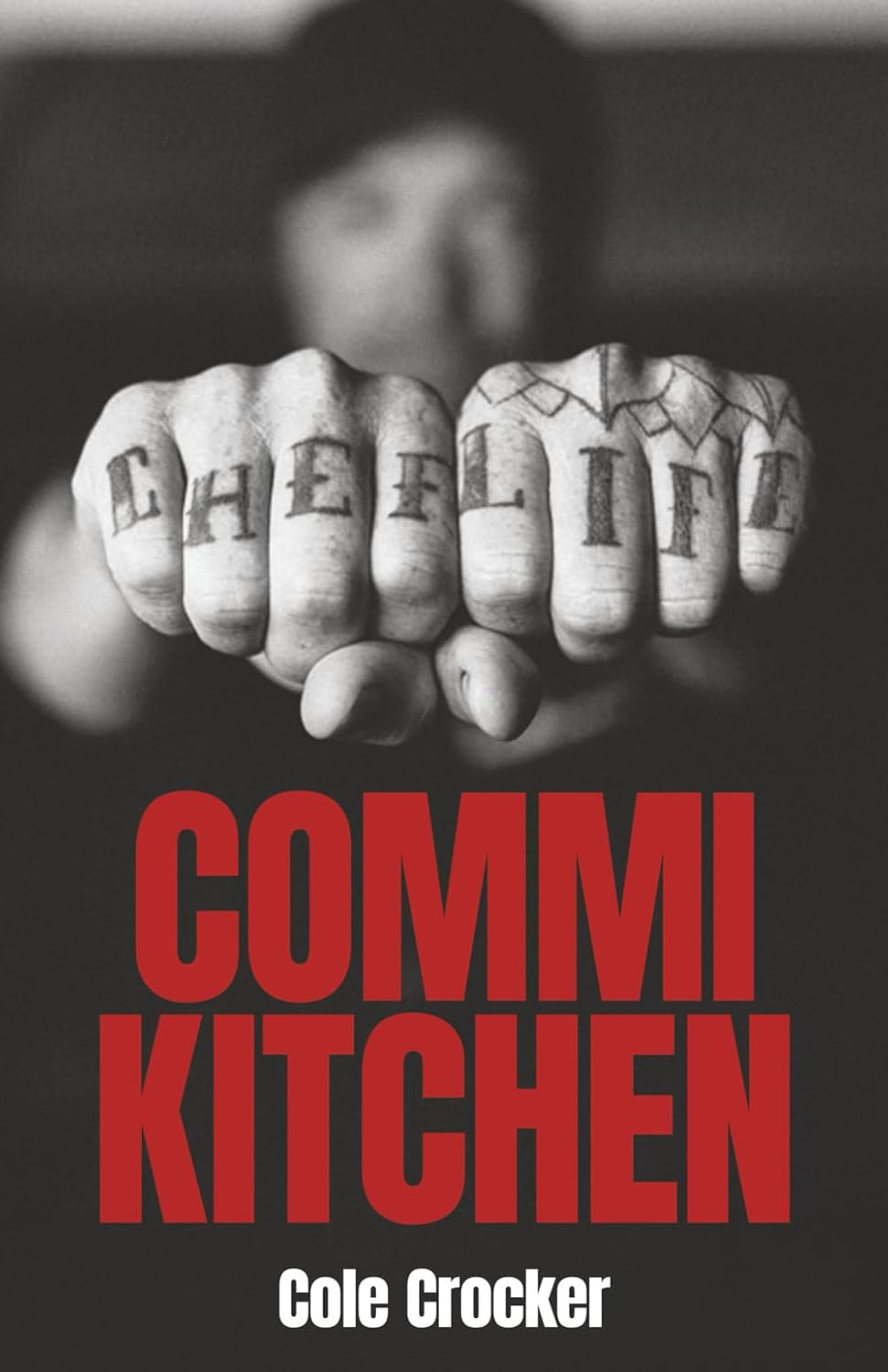

When I first opened Commi Kitchen, I expected a quirky behind-the-scenes tale about life in a kitchen. What I found was a raw, almost cinematic journey through the chaos, grime, and strange camaraderie of a shared commissary kitchen. The story follows Brand, an eager young chef trying to launch his catering career while navigating the hostile, absurd, and sometimes comical environment of the “Commi.” Alongside a cast of larger-than-life characters, from grumpy bakers to eccentric sushi innovators, Brand struggles to carve out a space for himself in a place that’s equal parts opportunity and nightmare. The book blurs the line between fact and fiction, and the energy of real lived experience runs hot through every page.
The writing is fast and unpolished in spots, but that’s what gave it charm. It mirrors the chaos of the kitchen itself, with grease on the walls and tempers always boiling over. Some moments made me laugh, others made me feel sick with the grime and dysfunction. I admired the way the author didn’t try to make Brand a flawless hero. He’s insecure, sometimes naive, but he also carries a stubborn pride that’s infectious. There’s a rhythm to the prose, a thumping drumbeat like the clatter of pots and pans. It pulled me in.
The dialogue had a casual looseness, and some scenes lingered longer than I expected. But it does a great job of building the atmosphere. The flow mirrored the unpredictable rhythm of kitchen life, where plans fall apart and you just roll with it. I could almost smell the burned chicken, hear the shouting over ovens, and see the buckets of salsa tipping where they shouldn’t. That kind of immersion mattered more to me than smoothness.
I’d recommend Commi Kitchen to anyone who enjoys true-to-life stories about struggle, grit, and chasing dreams. Chefs and foodies will recognize the kitchen madness, but even readers far from the culinary world will connect with the persistence and passion at its heart. This isn’t a glossy Food Network fantasy. It’s a sweaty, cigarette-stained, curse-filled ride through the underbelly of food service.
Pages: 447 | ASIN: B0FNQ6QT6P

Commi Kitchen

Commi Kitchen drops you into the chaotic, greasy, hilarious, and sometimes heartbreaking world of underground chefs hustling through shared commissary kitchens. The story follows Brand, a wide-eyed chef trying to get his catering business off the ground while working in a rundown kitchen filled with misfits, burnouts, and culinary dreamers. What starts as a slice-of-life about kitchen culture quickly turns into something deeper, a gritty, honest look at ambition, failure, and the strange family you find in unlikely places.
The opening chapter immediately drew me in, especially when Brand nervously declares, “My name is Brand, and I like to eat,” only to be roasted by high school kids. Ten pages later, he’s sweating in a chaotic commissary, dodging insults and grease splatter. Crocker’s writing feels raw and unfiltered, like the kitchen itself, grimy, hot, alive. The dialogue pops with realism; Abe, with his cigarette and cane, might be one of the most vividly drawn “managers” I’ve ever read. You can smell the burnt toast and old socks in every scene. The book has a way of making even the worst kitchen nightmare feel strangely poetic.
But what really got me was the way Crocker captures the rhythm of a cook’s life, the stress, the exhaustion, the twisted sense of pride. When Brand and his buddy Jim pull off their first catering event, it’s chaos and comedy rolled into one: sauce buckets spilling, a fuming bride, a furious wife, and then pure joy when the guests rave about the food. That moment when the salsa explodes across the floor had me laughing out loud and wincing at the same time. Crocker nails that emotional whiplash between triumph and disaster that anyone in the service industry knows too well. It’s not glamorous, but it’s real.
By the second half, the story shifts from kitchen antics to something darker and more introspective. Brand’s encounters with bizarre characters, like Oliver and Bob, the creepy old caterers who might be accidentally poisoning funeral guests, add this weird, almost dystopian layer to the story. The “Commi” itself starts to feel alive, like a haunted maze of ambition and decay. There’s this eerie moment when Brand finds Abe literally rehydrating a brick of weed over a stock pot, and I thought, “Okay, this kitchen’s officially gone to hell.” Yet even then, Brand keeps showing up, keeps cooking, keeps trying. It’s absurdly human.
What surprised me most was how emotional the book became without ever turning sentimental. Beneath all the grime and absurdity, there’s this quiet current of hope. Brand isn’t chasing fame, he’s chasing purpose. He wants to feed people, to prove that what he does matters, even when no one else seems to care. Crocker’s writing style mirrors that grind; it’s quick, punchy, and never overpolished. Sometimes the sentences hit like kitchen clangs; other times, they slow down just long enough for you to feel the heat, the loneliness, the small victories that make it all worth it.
Commi Kitchen is a love letter to the misfits who make magic in broken spaces, the cooks who burn themselves out chasing perfection on a dented prep table. I’d recommend it to anyone who’s ever worked in a kitchen, loved a dreamer, or just enjoys stories that don’t clean up the mess before serving it. This book isn’t fancy cuisine, it’s a wild, honest plate of real life, served hot and a little smoky around the edges. And I couldn’t get enough.
Pages: 445 | ASIN : B0FNQ6QT6P



 LITERARY TITAN