Blog Archives
Miss del Río: A Novel
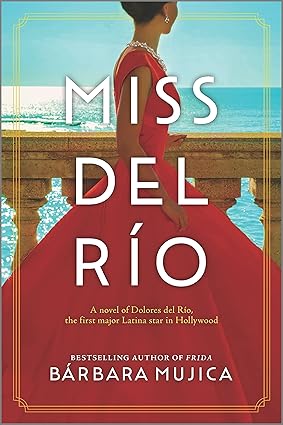

In Miss del Rio, Barbara Mujica masterfully reimagines the life of Mexican film star Dolores del Rio, as seen through the eyes of a Mexican immigrant, Maria (Mara) Amparo. Set against the backdrop of the Mexican Revolution, the novel captures both the sweeping history of a nation and the intimate experiences of two women from starkly different backgrounds. Mara, orphaned and forced to flee her home, finds refuge in Mexico City, where she becomes entangled with the politically influential Madero family. Meanwhile, Lola (María de los Dolores Asúnsolo López-Negrete), born into wealth, sees her privileged life upended by the chaos of the revolution when she is assaulted by a revolutionary servant. The two women, brought together by war, are later separated but find a way to reconnect as their lives take divergent yet intertwined paths.
Mujica excels in portraying the brutality of this war-torn period, immersing readers in the violence and upheaval of early 20th-century Mexico. The visceral imagery—graphic depictions of bodies littering the paths of both characters—leaves a chilling impression, intensifying the novel’s historical atmosphere. The fast-paced narrative keeps readers engaged, especially as Mara’s sympathetic, slow-growing character contrasts with Lola’s evolution into a glamorous figure in both Mexican and American culture.
Dolores del Rio, the novel’s central figure, is introduced through the lens of Mara’s perspective, which adds depth to the storytelling but also presents certain challenges. One of the strengths of Miss del Rio is Mujica’s ability to vividly bring to life both the historical context and the complex emotional journeys of her characters. The Mexican Revolution is not just a backdrop but a living, breathing presence that shapes every decision and action. Mujica’s portrayal of class distinctions, especially through Mara’s eyes, adds depth to the narrative. I felt a genuine empathy for Mara’s struggles, as she navigates her own sense of worth while watching Dolores ascend to fame. The contrast between Mara’s life of hardship and Dolores’ life of glamour is stark, and the author handles it with a delicate touch. There are moments where the narrative structure falters. The shifting perspectives between first and third person can be confusing, particularly when switching between Mara’s personal recollections and the more detached, third-person account of Dolores’ life. While I appreciate Mujica’s ambition in telling the story from multiple angles, the lack of clear transitions made it hard to stay fully immersed in certain parts of the book. Mujica excels in creating an emotionally charged atmosphere, especially in her depiction of relationships. The bond between Mara and Dolores feels real and deeply rooted, even when tested by time and circumstance. Dolores’ glamorous yet troubled life contrasts beautifully with Mara’s grounded and often heartbreaking reality.
Miss del Rio is a rich, engaging novel that blends historical fiction with a deeply personal narrative. Barbara Mujica paints a vivid picture of both revolutionary Mexico and the golden age of Hollywood, capturing the complexities of friendship, fame, and identity. While the book occasionally struggles with its perspective shifts, the emotional core of the story remains strong. Fans of biographical fiction will also appreciate Mujica’s thoughtful portrayal of Dolores del Río’s life.
Pages: 428 | ASIN : B09P1NH1WQ




 LITERARY TITAN