Blog Archives
Production Was A Mysterious World
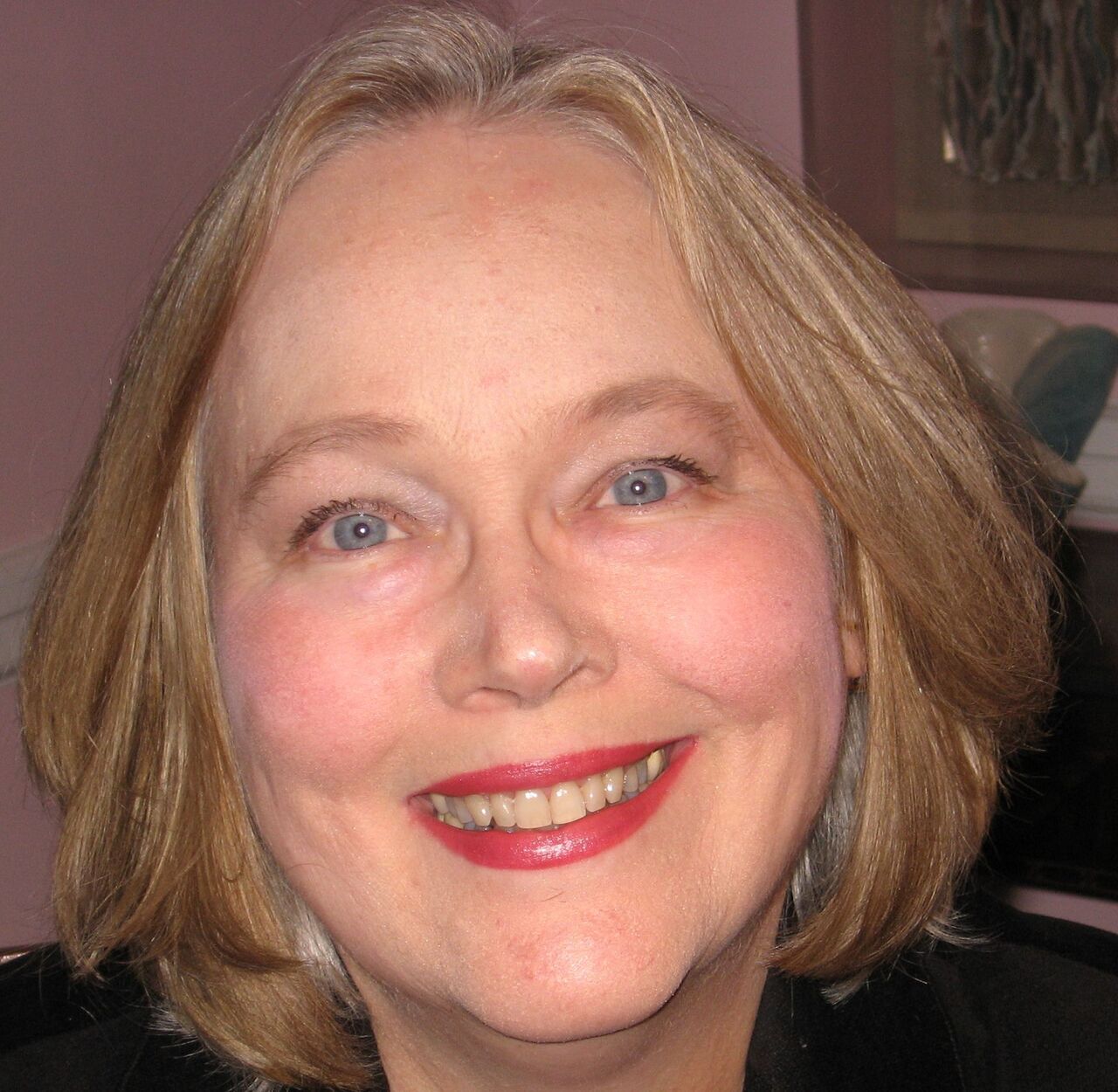
One More Seat at the Round Table follows an aspiring young woman who dreams of working in theatre and becomes an assistant to the production crew of Camelot. What was the inspiration for the setup of your story?
When I graduated from Michigan State, I was torn between pursuing a career as a writer or a singer. I was lucky enough to find a job as a publicist at a dinner theater in Boston which mainly hired me to write press releases. That job led to another publicity job at Goodspeed Opera House, then another at Syracuse Stage in Syracuse, New York, where I stayed for three rewarding years. (And yes, I continued with my singing lessons, since I was still on the fence about my vocation.)
At Goodspeed and again at Syracuse Stage, I found myself increasingly fascinated by the production side of theater, admiring those who designed and built the sets, handled the props, designed the costumes, and of course directed the shows since the director’s vision is central to any play’s success. The more theater I saw—by then I was regularly visiting Broadway—the more I understood that backstage professionals made the magic happen as surely as any actor in the spotlight. And yet production was a mysterious world that few were privileged to observe firsthand.
The drive to perform slowly evaporated. I continued with theatrical publicity and marketing, hoping to eventually write fiction, and in 2012 I published my first novel, The Voice I Just Heard, about an ambivalent soprano, a subject I knew intimately. Later, when planning my novel about Camelot, I thought it would be illuminating for my readers to offer them a gritty glimpse behind-the-scenes, so I made my protagonist a production assistant. Ironically, as I was writing my novel, my adult daughter decided to change her career path and is now training for the production side of theater. It’s a wondrous bit of synchronicity for me and our family. And by the way, the “one more seat at the round table” is for my female protagonist, Jane, who must struggle to make her way in the male-centric world of 1960 when only one in three women worked outside the home and few women worked backstage. (Does Jane earn her seat? You’ll have to read the book to find out.)
What was the inspiration for the relationship that develops between the characters?
The main characters in Once More Seat at The Round Table are Jane Conroy, the ambitious and resourceful production assistant I mentioned before, and Bryce Christmas, a gifted singer in the chorus who also understudies Lancelot. I sought to show the helplessness of their attraction—they both think it might be a bad idea to get involved with a colleague—and the difficulties of forging a romantic relationship during the chaos of Camelot in Toronto and Boston when the script is changing daily, songs are being cut, critics are carping, and two of the creators are hospitalized, librettist Alan Lerner with ulcers and director Moss Hart with a coronary. Sadly, Mr. Hart must quit, leaving the cast and crew in doubt about Camelot’s Broadway debut. This isn’t an ideal time to get involved especially since Jane and Bryce are also facing career concerns, and they need to decide if their attraction is a passing fancy or lasting love. I also introduce another couple, Sarah Wilkins and Dan Elsdon, who face a possible calamity when Sarah finds herself in a gut-wrenching predicament. Having been Jane’s college roommate, Sarah looks to Jane for help, and their sisterly bond allows me to explore the powerful gift of female friendship.
What research did you do for this novel to get it right?
I can honestly say I began researching my book long before I ever knew I’d write a novel. I fell under the spell of the original cast album which evoked the “one brief shining moment” in the mystical realm of Camelot. The music and lyrics were enchanting, spinning a tale of the young insecure King Arthur, his restless Queen Guenevere, the founding of the Round Table, and the queen’s tragic love for Arthur’s bravest knight, Sir Lancelot, an affair that scuttled the king’s dreams of a new moral order. I saw a touring production in 1963 and the Lincoln Center revival in 1980 with Richard Burton, who originated the role of Arthur on Broadway. I was utterly captivated. By then I had met an actor who’d worked in the original production and shared his charming stories and I’d played Guenevere in an amateur version that had borrowed the original sets—a huge thrill for me. Despite my passion for Camelot, however, I didn’t think of writing a novel about it until I read Alan Jay Lerner’s memoir, The Street Where I Live. That’s when I learned about the endless out-of-town troubles that nearly derailed the show before it reached Broadway. I subsequently read other biographies and memoirs that confirmed Lerner’s recollections. Before I began to write, I also spoke to actors and production people who knew the backstage layout of the O’Keefe Centre in Toronto and the Majestic on Broadway, and I visited the Boston Shubert: these are all theaters where Camelot played. My goal was to create a “you are there” ambience for my readers. I hope I did.
By his own account, Alan Jay Lerner had a miserable time writing his script, known as “the book,” and I was fortunate to get my hands on an early draft that was donated to the Ransom Center in Austin, TX by the show’s production stage manager, Robert Downing. It showed me some of Lerner’s false starts and many crossed out lines of dialogue, which offered insights into his writing process. For me, research is always great fun, but there comes a point when you need to set it aside and write from the heart as if your story is unfolding in real time before your eyes.
What is the next book that you are working on and when will it be available?
I’m finishing a novel called Annie Oakley in the Wild West about the great American markswoman and her thorny relationship with her longtime boss, William F. Cody, the eponymous founder of Buffalo Bill’s Wild West. You probably heard of the musical Annie Get Your Gun (which also became a movie) in which Annie Oakley competes with her future husband, Frank Butler, rowdily singing “Anything you can do, I can do better.” But the real historic competition was between Annie and Bill Cody, not Annie and Frank. (Butler was, in fact, glad to work behind the scenes as Annie’s manager.) I don’t feel any novel, movie, or the Irving Berlin musical has captured the conflict between Annie and Cody when they performed in England in 1887 for Queen Victoria’s Golden Jubilee. Since the 100th anniversary of Annie Oakley’s death will happen in 2026, I am aiming to release my novel before or during 2025. I’ve had such a great experience with Atmosphere Press I hope they’ll publish this book too.
Author Links: GoodReads | Twitter | Website
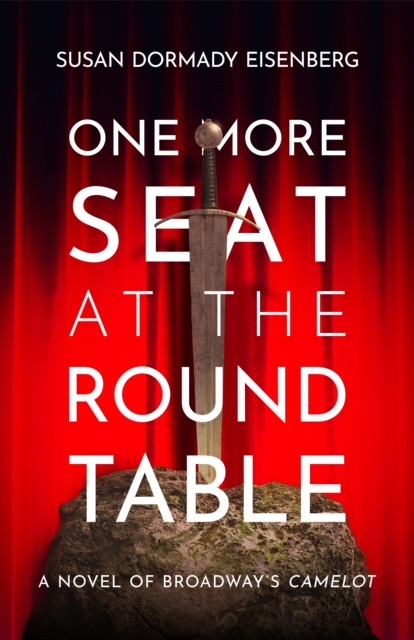
Amid the out-of-town chaos of the 1960 musical Camelot, a clever production assistant, Jane Conroy, tries to juggle her first theater job and her unexpected passion for a gifted singer in the chorus, Bryce Christmas. Part coming of age novel, part love story, part dish-filled history, ONE MORE SEAT AT THE ROUND TABLE follows the comic travails of Camelot from its New York rehearsals to its lackluster tryouts in Toronto and Boston to its disappointing New York debut.
The show’s creators Alan Jay Lerner, Fritz Loewe, and Moss Hart, and its stars Richard Burton, Julie Andrews, and Robert Goulet, struggle to save the tuneful tale of King Arthur’s Round Table as Jane and Bryce face professional and romantic complications. How Camelot becomes a belated Broadway hit is one of the surprises of this midcentury novel that combines the wit and whimsy of My Favorite Year and TV’s Smash with the backstage charms of Elizabeth Gilbert’s novel CITY OF GIRLS.
One More Seat at the Round Table

Attending a play or musical is a riveting experience, but the journey leading up to that momentous occasion often goes unnoticed. The creative process, ranging from writing to auditions, rehearsals to set building, costume design to stage preparation, and more, is crucial in setting the stage for opening night. Camelot, a well-known musical, tells the tale of King Arthur, Lancelot, and Guinevere, who, like any other production, went through a series of growing pains. However, what sets Camelot apart is the fictional novel that delves into the events that might have taken place leading up to their debut.
Susan Dormady Eisenberg’s One More Seat at the Round Table is a charming account of the hypothetical development of the musical Camelot. Set in 1960, the novel follows the aspirations of a young woman named Jane Conroy, who dreams of working in theater, and Bryce Christmas, a budding actor in the show and Jane’s love interest. Jane’s job as an assistant to Brock Remsen, the production director for Camelot, thrusts her into a world of glamourous parties and famous names, which she sometimes finds overwhelming. The author’s extensive research and imaginative liberties are evident in her writing, and she provides readers with a delightful exploration of musical theater and history. It is quite likely that Eisenberg has hands-on experience in the theater industry, as her depiction of the nuances of stage productions and the relationships between the crew and actors is spot on.
One More Seat at the Round Table is a captivating historical fiction story about what could have been. While romance and relationships take center stage in the novel, suspending our disbelief that these events may not have unfolded precisely as described is essential. Nonetheless, it is a delightful read that I highly recommend to anyone who enjoys a good love story, musical theater, and history.



 LITERARY TITAN