Blog Archives
We Choose Our Own Destinies
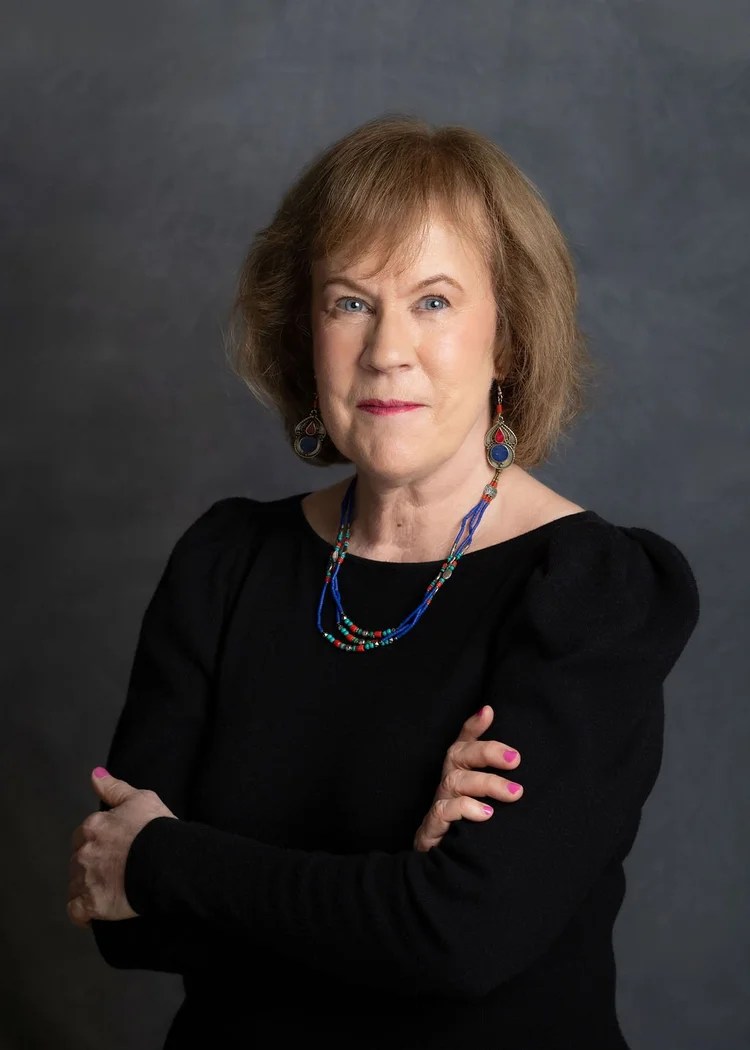
The Children of the Children follows a young man searching for answers and belonging, who found hope in an apocalyptic religious cult, one that his children would later try to escape. What was the initial idea behind this story, and how did that transform as you were writing the novel?
I got the idea for this story not long after the Cold War ended. Freedom seemed to be breaking out everywhere. What a difference a few decades have made. Authoritarianism is on the advance all over the world. So the novel became darker. Early in the story, Father Joseph says, “You give people a choice – freedom for themselves but also for their enemies, or subjugation for their enemies but also for themselves – and they’ll choose subjugation.” But it doesn’t have to be this way. I believe we choose our own destinies, both as an individual and as a society.
What kind of research did you do for this novel to ensure you captured the essence of the story’s theme?
My main research was as an observer of human behavior. I’ve watched as family and friends have joined religions and left religions, trying to understand the evolution of their views and my own. I also re-read parts of the Bible, familiar to me for years, with a more open mind, asking myself not how the words could be used to comfort or inspire, but to control. Telling people that the Bible is infallible is like putting a gun in their hands. Who knows what they’ll do with it. In fact, Father Joseph’s Letters to his followers were the easiest part of this novel to write, because there were so many verses that, read the right way (or perhaps I should say the wrong way), could be used to back up what he was saying.
What were some themes that were important for you to explore in this book?
The main theme I tried to explore was the religious theme. Religion gets to the core of who we are as human beings, offering answers to where we come from, how to live our lives, and where we go after we die. But religion can be used against us. Abuse in extremist religion isn’t just possible, it’s practically inevitable. If a religious leader’s followers believe the Bible is infallible, then that leader can use nearly anything from the Bible to justify his actions.
A second theme in the novel is how national and even international events can shape decisions that people make about their personal lives, in ways they may not realize. Danny drops out of U.S. society at the height of the Vietnam War; years later, his son tries to escape a cult as East Europeans are escaping communism. The Children of the Children is set against a backdrop of world events. This was deliberate.
Were you able to achieve everything you wanted with the characters in the novel?
I think there’s a mistaken idea that people join cults because they’re “messed up,” or had a bad childhood, or are on drugs. By telling ourselves that, we insulate ourselves from the disturbing truth: Anyone can become susceptible to cults or to cult-like thinking. I showed where Danny, Deborah, and other characters were in their lives before they joined the Fishermen, and where they ended up at the end of the novel. Yes, I achieved what I wanted to.
Author Links: GoodReads | Facebook | Website
Danny Calvert thinks part of American society is about to crash and burn. Capitalism, if he’s lucky. But when a college friend dies in jail, he joins an apocalyptic religious cult and begins printing the increasingly dark writings of its charismatic leader. Father Joseph says “unless you become like children, you will never enter the Kingdom of Heaven.”
But “become like children” means just that. Father Joseph moves his followers to Europe to avoid scrutiny, and controls them such that Danny isn’t allowed to marry Deborah, the woman he loves, but is forced to marry someone else. He has children by both women, and they’re as determined to escape the world they grew up in as Danny was to escape his own world years ago.
Set during the last years of the Cold War, and inspired by real events, The Children of the Children explores the price that people pay for following a leader who demands unquestioning belief, and the price their children pay to break free.
The Children of the Children
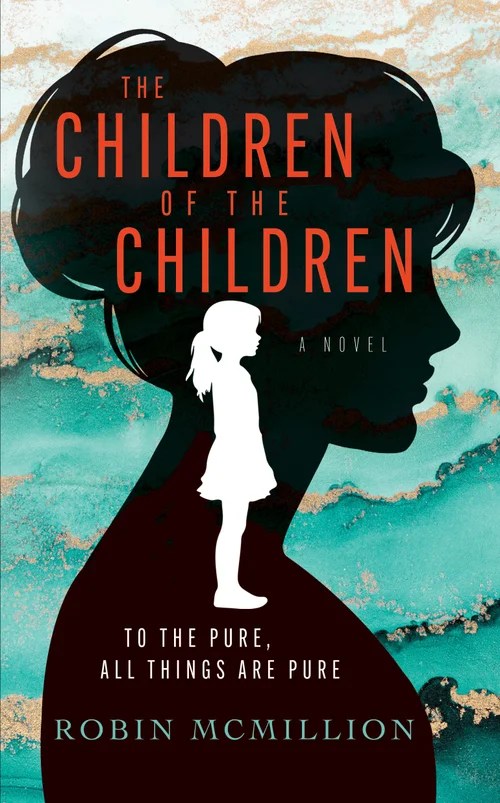

The novel begins in Prague in 1989, just as the communist world is unraveling. A boy without a country insists he is American, though he has never set foot on U.S. soil. From there, the story peels back through decades to reveal the world of the Fishermen, a cult that swept up young seekers during the Vietnam War era and carried their children across borders and generations. We meet Danny Calvert, later known as Jacob, and trace his fall into the group’s grip. Through family ties, betrayals, faith, and disillusionment, the novel lays bare the long shadow of belief systems built on control, secrecy, and survival. It is as much a story about America’s restless search for meaning as it is about the people trapped within one man’s vision.
Reading this book pulled me into an emotional whirlwind. The writing has a plainness that makes the events feel raw and real. The characters stumble into mistakes, get swept up in causes, and try desperately to make sense of their lives. At times, the prose feels almost documentary-like, which adds to the authenticity. But what struck me hardest were the emotional beats. The despair of losing friends, the pull of a community that feels like love until it is revealed as control. The book made me angry and sad, sometimes within the same page. I found myself wanting to shout at the characters to run, while also understanding why they stayed.
The ideas in the book stirred up a lot for me. It’s about more than just a cult. It’s about how easily people can be convinced to give up their freedom for belonging. It asks how much of ourselves we’re willing to sacrifice for an answer to our confusion. The story lingers on faith, not just religious faith but faith in movements, in leaders, in utopias. And it questions whether that hunger for truth and certainty is ever really satisfied. The way the children carry the weight of their parents’ choices made me think about inheritance, not of money or property, but of wounds and beliefs.
The Children of the Children is not for someone looking for light entertainment. It’s heavy, sometimes heartbreaking, and often unsettling. But it’s powerful. I’d recommend it to readers who are drawn to history, who want to understand the human cost of movements that promise salvation, and who aren’t afraid to sit with discomfort. If you want a story that makes you feel, reflect, and maybe even question your own certainties, you’ll enjoy reading this book.
Pages: 368 | ASIN: B0FSSVGMWV




 LITERARY TITAN