Blog Archives
What Happens Next?
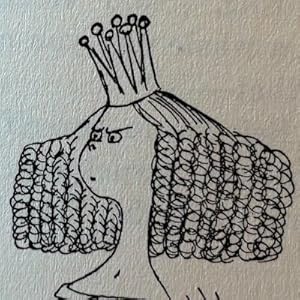
The Countess and the Spatula follows a disheveled noblewoman who finds solace in baking after her husband’s death until her peaceful life of flour and philosophy is upended by a melodramatic opera singer. What was the inspiration for the setup of your story?
The Spatula of Power came first. The characters of the countess; Claudio, the Man with the Black Mustache; and Isabella of Alberthane followed.
What inspired your characters’ interactions and backstories?
Once you know the characters, their interactions follow more or less logically.
I found this novel to be a cutting piece of satire. What is one thing that you hope readers take away from your novel?
I hope readers take away the desire to read the sequel and find out what happens to the countess next.
What is the next book that you are working on, and when can your fans expect it to be out?
The sequel to THE COUNTESS AND THE SPATULA is called NOBODY EXPECTS THE SPANISH INQUISITION. It’s about an inquisition that is also a soap opera.
Author Links: X
The Countess and the Spatula
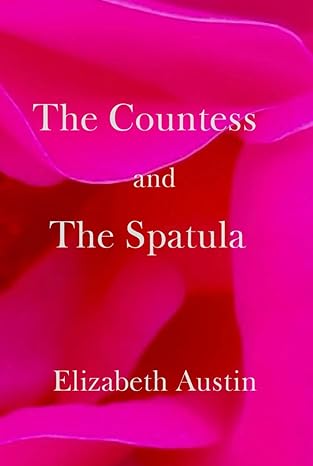

The Countess and the Spatula is a whimsical, oddball fairy tale that tumbles through aristocratic kitchens, magic-laced crumpets, and absurd courtship. The story follows Fredegonde, Countess of Bellise, a disheveled noblewoman who finds solace in baking after her husband’s death. Her peaceful life of flour and philosophy is upended by Claudio Arrigoni, a melodramatic opera singer who won’t stop proposing marriage. Between the countess’s eccentric habits, a meddlesome staff, a scheming neighbor, and the mysterious “Spatula of Power,” the book becomes a delicious blend of satire, fantasy, and farce.
Reading this story felt like stepping into a dream where logic takes the day off. The writing dances between the silly and the profound, and I loved that contrast. Elizabeth Austin writes with the kind of precision that makes nonsense sound perfectly reasonable. I laughed at the countess’s solemn devotion to crumpets and her tendency to quote Aristotle at moments of chaos. Still, beneath the humor runs a tender current: the loneliness of aging, the need for purpose, and the comfort of small rituals. I found myself rooting for this scatterbrained heroine who keeps her dignity even when the world tilts toward absurdity.
The book lingers over conversations and kitchen scenes. Yet I can’t really complain, because those detours, the gossiping servants, the absurd dialogue, the odd bits of theology, create the book’s strange magic. It’s like sitting by a fire while someone spins a story that refuses to behave. The language sparkles without showing off, and every page smells faintly of butter and mischief. I liked how the story never tried to be grand or sentimental. It’s clever without being cold, and funny without cruelty.
I’d recommend The Countess and the Spatula to readers who like their humor dry and their fairy tales a little crooked. It’s perfect for anyone who enjoys P. G. Wodehouse, G. K. Chesterton, or a bit of magical realism with a side of tea. This isn’t a book for those who want action or romance that makes sense; it’s for people who like to watch chaos unfold politely. I finished it smiling, craving crumpets, and oddly comforted by the idea that common sense might just be the most magical thing of all.
Pages: 361 | ASIN : B0FPDNFGH4




 LITERARY TITAN