Blog Archives
Journey Through History

The Green Wave is a blueprint for a sustainable maritime industry by reducing environmental impact while maximizing economic benefits. Why was this an important book for you to write, and who do you think can benefit from the information in it?
Shipping is the hidden artery of the global economy, quiet, powerful, and essential. I began my journey at sea as a sailor, earned my Master Mariner’s license, and later served as an operations and management director in two shipping companies in Greece. That path, combined with my work as a researcher, writer, and thought leader with over 60 published books, gave me a full-circle perspective: from the bridge of a ship to the boardroom of strategy.
I wrote The Green Wave to move the conversation from what must be done to how it can be done. The book is both compass and call to action, unfolding as a journey through history, technology, economics, and ports, before ending with a clear invitation to act. It speaks to shipowners, port leaders, engineers, policymakers, students, and any curious reader who wants to see the road ahead not in theory, but through real examples and human stories.
How much research did you undertake for this book, and how much time did it take to put it all together?
The book is the product of years at sea and years of study. My three master’s degrees gave me the academic tools, while my maritime career gave me the lived experience. I read widely, observed closely, and most importantly, listened, to crews, shipbuilders, port managers, and industry leaders.
The writing itself was like a voyage: long, challenging, but deeply rewarding. Each chapter was designed to feel like a leg of a journey, so the reader could travel from the origins of shipping to the possibilities of its future. My goal was clarity, making complex choices feel navigable.
What were some ideas that were important for you to share in this book?
That the future of shipping will not be shaped by a single tide, but by many waves moving together.
That we must begin today with small, practical steps while designing ships that can embrace tomorrow’s innovations.
That digitalization is not just about technology, but a hidden source of energy, turning information into real efficiency.
That ports are more than entry points; they are the spark that ignites wider transformation.
That sustainability must stand on solid economics, proving that green choices can also be smart business.
And above all, that people remain at the heart of this journey. Knowledge, training, and leadership are the wind that fills the sails of change.
What is one thing that you hope readers take away from The Green Wave?
Hope and confidence. Decarbonizing shipping is not a dream for tomorrow; it is a course we can set today. Begin with a pilot, measure honestly, scale what works, and keep the vision alive. If The Green Wave leaves readers ready to take that first step, whether they are a policymaker, a student, or a shipowner, then the book has done its work.
Author Links: GoodReads | Amazon
The Green Wave
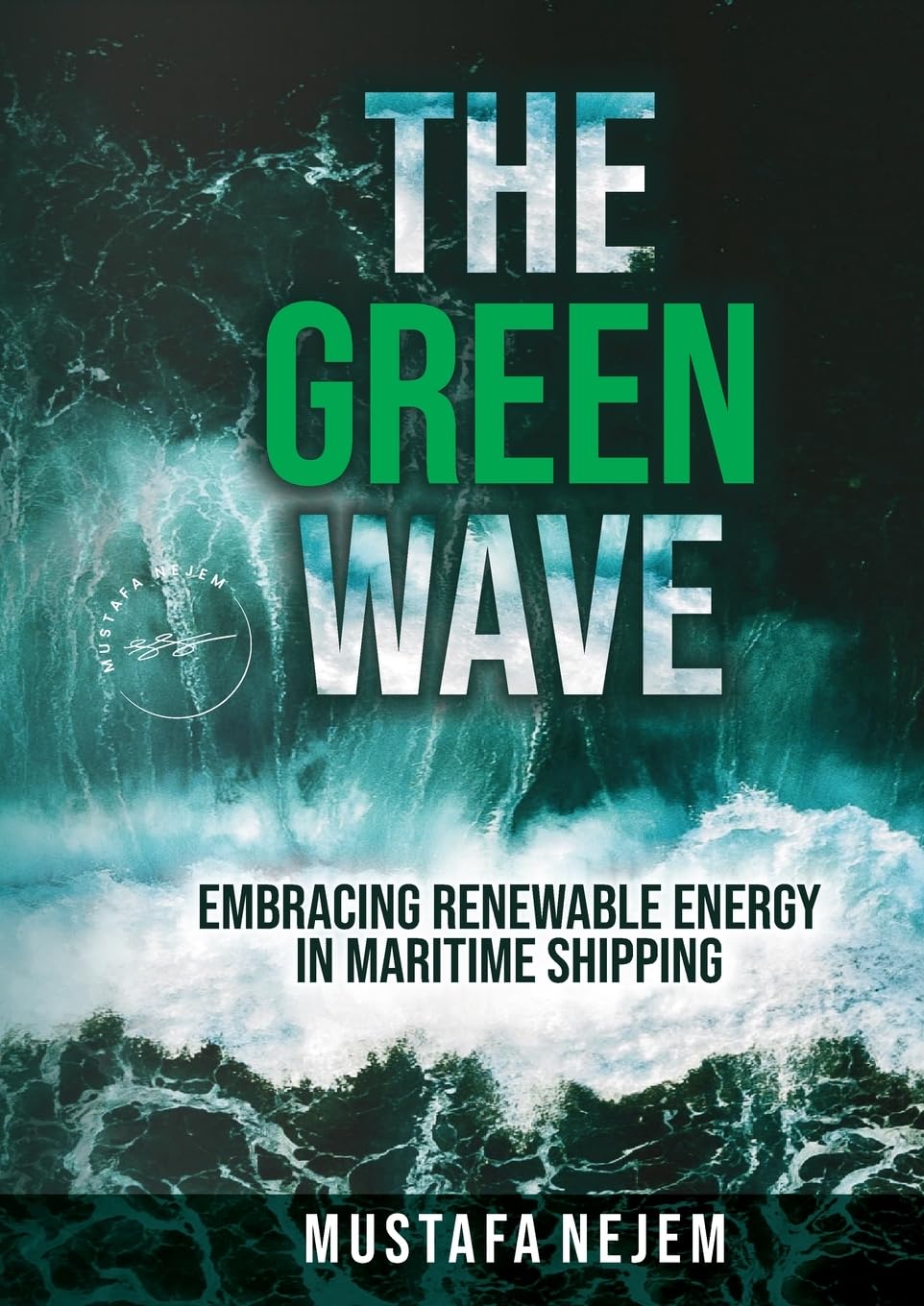

The Green Wave takes on a big subject with even bigger stakes: how the shipping industry, a cornerstone of global trade, can move away from fossil fuels and embrace renewable energy. The book is structured as a wide-ranging tour through history, technology, economics, regulation, and future trends. It covers the evolution of ships from wooden rafts to today’s steel giants, then dives into renewable energy sources like solar, wind, hydrogen, and biofuels. It discusses technological breakthroughs in clean propulsion, ship design, and retrofitting. It also highlights the financial realities of sustainability, the importance of regulation, and case studies of companies already making the leap. In its closing chapters, it looks forward to global collaboration, workforce training, and how public perception will push the industry toward greener horizons.
The research is thorough, and the ideas are hopeful. The writing leans on big metaphors and detailed passages that can feel dense if you’re not steeped in the subject. The author works hard to cover every angle, which gives the book an encyclopedic feel. I found myself drawn in by the case studies like retrofitted cruise ships and tankers switching to LNG or rotor sails, and those concrete examples carried more emotional weight than the broader discussions of efficiency or emissions. The author’s care for the subject is evident, and that urgency shines through in ways that are often inspiring.
I think the strongest parts are where the book shows the human side of the industry. When it talks about shipbuilders experimenting with new materials or port operators installing charging stations, the story feels alive and relatable. I did come away with a better grasp of the real options on the table. It made me hopeful that change is possible if industry leaders, governments, and consumers push in the same direction.
I’d recommend The Green Wave to readers who want a detailed, almost textbook-level overview of green shipping, but also to anyone who enjoys seeing how technology and human ambition collide with global challenges. It’s not a breezy read, but it’s a meaningful one. Policymakers, environmental advocates, and business leaders will probably get the most out of it. For casual readers curious about clean energy, it may feel overwhelming, though still worthwhile if you stick with it.
Pages: 348 | ASIN : B0CPKDBWSB




 LITERARY TITAN