Blog Archives
Better Choices Are Possible

Against All Odds is a blunt and emotional memoir about growing up in poverty, surviving horrific abuse, entering the foster care system, and clawing a way toward stability, purpose, and adulthood. Why was this an important book for you to write?
I grew up believing that instability was normal—new homes, new schools, new last names on the mailbox. Writing this book was my way of refusing to let chaos be the whole story. I wanted to document what that instability does to a child’s sense of identity and possibility, and to show that survival can become purpose.
It was also a letter to three audiences. To foster youth: you are not what happened to you; you are what you choose next. To caregivers and professionals: stability is not an idea, it is a practice—measured in rides to school, ceremonies you don’t miss, and promises you keep. And to the broader public: systems are made of choices; better choices are possible. The memoir gave me language to transform private pain into public service.
How did you balance honesty and authenticity with protecting privacy—yours and others’?
I followed three rules. First, I wrote from the “I”—what I saw, felt, and believed in the moment—without assigning motives to others. Second, I protected people who were not public figures by changing names, compressing timelines, and removing identifying details, while keeping the emotional truth intact. Third, I applied a dignity test: if a detail sensationalized trauma or exposed someone’s private struggle without advancing understanding, it did not belong in the book.
When possible, I sought consent from supportive adults who appear in the story and shared passages with them. I also set boundaries for myself—there are scenes I chose not to relive on the page because my present and the youth I serve deserve a healthy author. Truth and care can coexist; that tension shaped every edit.
What was the most challenging part of writing—and what was most rewarding?
The hardest part was narrative order. Lived experience is nonlinear; trauma scrambles memory. Turning 25 placements and 13 schools into a coherent arc meant revisiting rooms I’d rather forget and deciding what belonged to the reader and what belonged to healing. Writing about my mother’s death and the first nights in strangers’ homes required frequent stops—walks, prayer, and time.
The reward has been hearing from youth and caregivers who used the book as a bridge—youth who said, “Now I have words for what this feels like,” and caregivers who changed a practice so a child could keep a school, a therapist, or a ritual. Reclaiming my narrative was personal; watching it make someone else feel seen has been the joy.
What is one thing you hope readers take away from your story?
That pain is data, not destiny. For kids in care, the difference between drifting and developing is often a single steady adult plus continuity—of school, relationships, and story. If readers finish the book believing they can be that steadiness—by mentoring, fostering, advocating, or simply showing up reliably—then the pages did their job.
And for those who grew up in instability: you are allowed to build a life that is quiet, rooted, and yours. Resilience is not just surviving the fire; it’s learning to live without smoke.
Author Links: GoodReads | LinkedIn | Amazon
From a young age, Tristian’s life was marked by chaos and uncertainty. Witnessing his mother being taken away on a stretcher was a pivotal moment that thrust him and his younger brother into a turbulent existence within the foster care system. They bounced from one temporary shelter to another, grappling with abuse, neglect, and the haunting specter of trauma. But amidst the darkness, a flame burned brightly within Tristian’s soul. Dreams became his sanctuary, providing solace and fueling his unwavering determination to rise above his circumstances.
Tristian’s memoir is not just a personal narrative-it sheds light on the broader societal issues surrounding foster care. With staggering statistics, he underscores the challenges faced by children in the system and gives a voice to those whose stories often go unheard. Through his writing, Tristian aims to foster empathy and understanding, urging readers to confront the flaws and shortcomings of the foster care system within. His ultimate goal is to inspire positive change and create a more compassionate and supportive system for future generations.
Against All Odds is a powerful and necessary memoir that shines a light on the realities of growing up in foster care. Tristian’s journey serves as a testament to the indomitable human spirit and the transformative power of hope. It is a call to action, urging society to come together, support foster youth, and create a brighter future for all.
Against All Odds
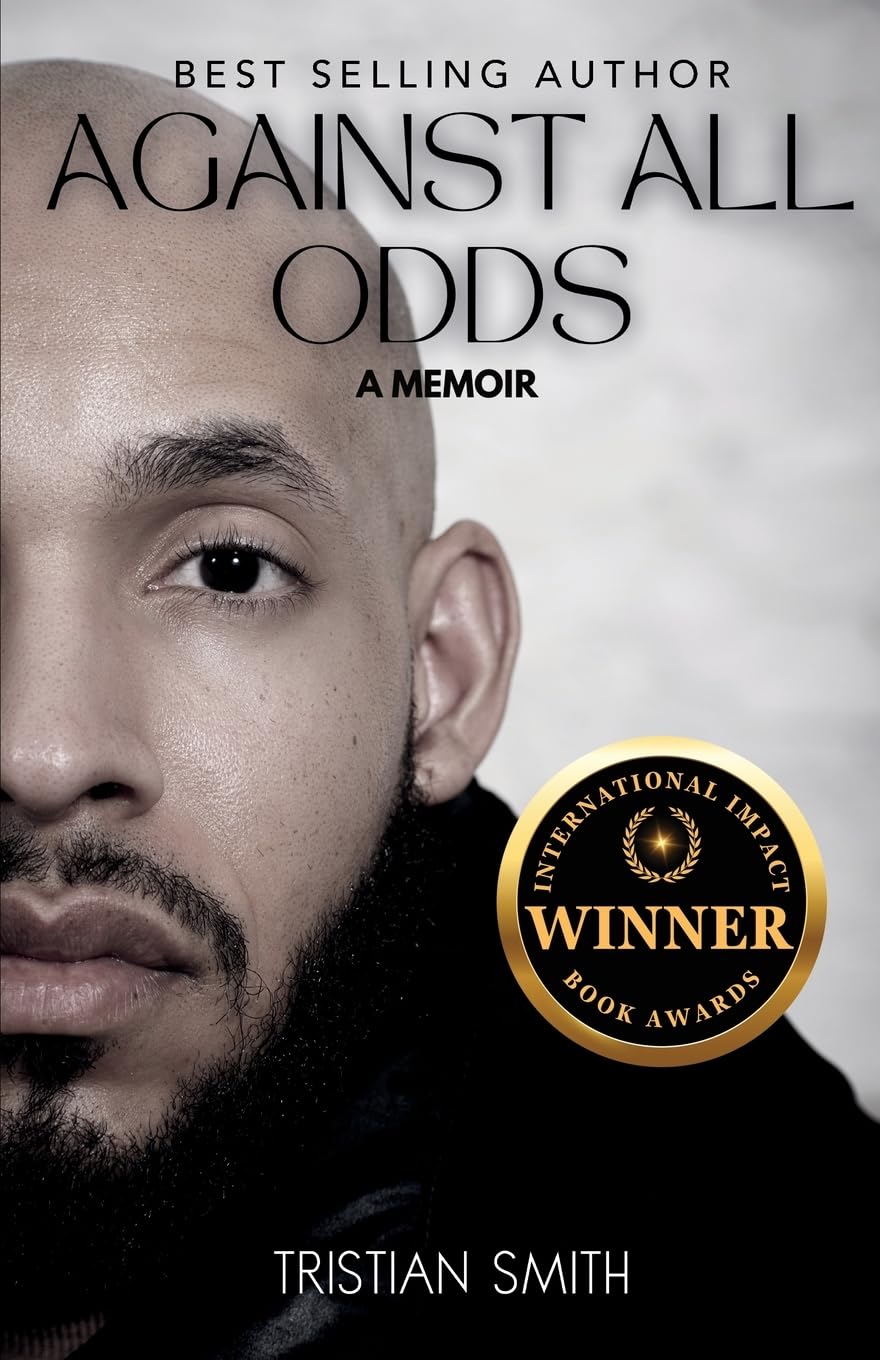

Against All Odds is a blunt and emotional memoir about growing up in poverty, surviving horrific abuse, entering the foster care system, and clawing a way toward stability, purpose, and adulthood. The story moves from early childhood trauma to the revolving door of foster homes, then toward the author’s eventual growth, education, service, and advocacy for youth in care. At its heart, the book traces the long road from hurt to healing and highlights both the failures and the rare moments of compassion within the child welfare system.
While reading, I felt the author’s voice come through with a kind of quiet force. The writing is simple, but it hits hard. Scenes of abuse and fear are described without dressing them up, which makes them linger long after you close the book. I found myself stopping every so often just to breathe and process what I had read. The honesty feels brave. It also feels painful, because the book never hides the worst moments. I appreciated that the author doesn’t try to make the trauma sound noble or inspirational. Instead, he shows how messy, lonely, and confusing it was to survive it. That kind of truthfulness made me trust him as a narrator and connect with the story more deeply.
I found myself moved by the way the author talks about resilience, not as some magical trait, but as something built slowly from tiny sparks of hope and small acts of kindness. The sections about teachers, caseworkers, and foster parents who actually cared warmed me more than I thought they would. I also felt frustrated at how often the system failed him and his brother. It made me angry and sad at the same time, because these aren’t rare stories. The mix of systemic critique and personal reflection felt honest and relatable. The author talks about mental toughness, purpose, and choice, but he also never forgets how much environment and support matter.
By the time I reached the end, I felt a mix of heaviness and admiration. This book would be a strong fit for readers who care about child welfare, social work, or youth advocacy, but it would also resonate with anyone who appreciates raw, emotional memoirs about surviving hardship. It’s tough in places, but it carries a steady, quiet hope that makes the journey worth it.
Pages: 204 | ASIN : B0D8K36XWG




 LITERARY TITAN