Blog Archives
A Responsibility To Speak Out
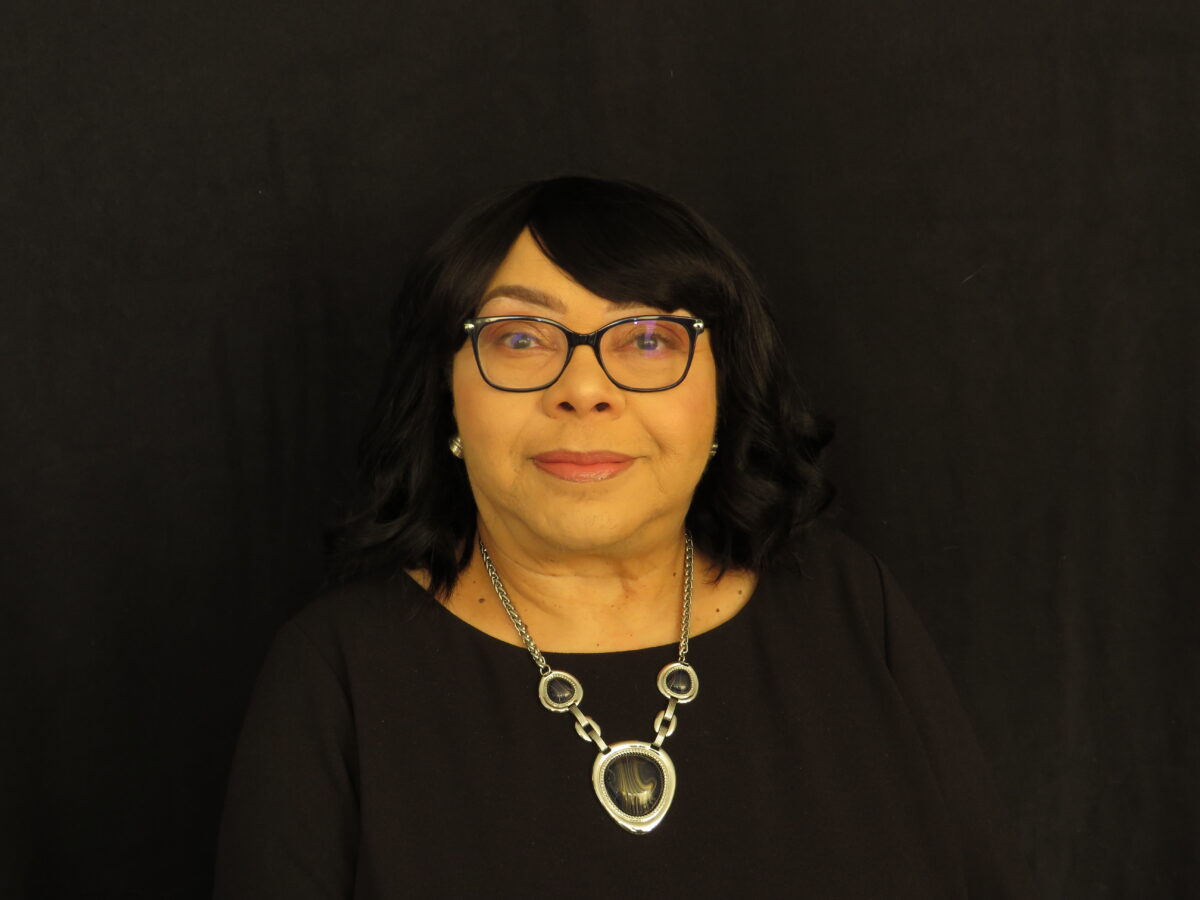
Witness in the Dust tells the story of Haiti during its years of crisis, blending vivid storytelling with historical detail, as it follows ordinary families and aid workers as they fight to survive storms, floods, political collapse, and disease. Where did the idea for this novel come from, and how did it develop over time?
As an African American woman and a staunch advocate for justice, I am deeply aware of the challenges faced by people striving for a better life. I have lived through and observed the civil rights movement in the U.S. My observation of the events reveals that the pendulum of justice has swung significantly over the years. Historically, some policies have been more accepting of differences than others. Recently, however, Haiti has been specifically excluded for numerous reasons. The approach to foreign policy regarding Haiti has been harsh and inflexible. The way Haiti is treated exemplifies blatant discrimination at its highest level. I felt I had a responsibility to speak out.
The novel is set during a time when Haitians experienced the wrath of nature and the collapse of political order. Although the Haitian people are resilient, many sought better opportunities, such as those promised by the ideals of the U.S. Declaration of Independence. They were turned away at the border, thereby removing the possibility of asylum. Immigration policy fluctuated between temporary protective status and deportation under several administrations. The situation came to a head, and under the Trump administration, the promises of democracy for a nation of immigrants became null and void.
Celine, the main character of Witness in the Dust, decides to defy the odds and legally enter the U.S. Over time, she becomes eligible for U.S. citizenship, satisfying nearly all the requirements. Through her community groups and her church, she receives support from and contributes to the well-being of other immigrant communities along her journey. By the end of the novel, however, she becomes sharply aware of several contradictions in how people are treated. At one point, she struggles with whether to apply for naturalization. She begins a critical examination of the principles on which the nation was founded. That’s when Celine takes a step back to evaluate the democracy she has considered pledging allegiance to.
What are some things that you find interesting about the human condition that you think make for great fiction?
I find that, although people are made in the spiritual image of God (Imago Dei), their human nature and actions lean toward greed, pride, lust, and other sins of the flesh.
What were some themes that were important for you to explore in this book?
The book explores themes of equality, justice, democracy, citizenship, and the unkept promises of sanctuary for people yearning to breathe free.
What is one thing that you hope readers take away from Witness in the Dust?
I want readers to open their eyes and witness, under harsh lighting, the injustices of a lopsided immigration policy. I encourage readers to examine critically the premise on which America was built. I want them to understand that sometimes in America, “we the people” does not give consideration to- the “least of these.”
Witness in the Dust


Witness in the Dust by Lorrie Reed tells the story of Haiti during its years of crisis, from the hurricanes that battered Gonaïves in 2008 to the earthquake that devastated Port-au-Prince in 2010 and beyond. It blends vivid storytelling with historical detail, following ordinary families like Celine’s, local pastors, and aid workers as they fight to survive storms, floods, political collapse, and disease. The narrative draws you in with its sensory detail, grounding sweeping tragedy in the smell of dust, the taste of spoiled water, and the sound of prayers whispered in ruined churches. It is both a chronicle of disasters and a meditation on resilience, faith, and the small acts of mercy that keep people going.
I felt pulled into the dust and heat of the markets, the pounding storms, the suffocating silence after buildings fell. The writing is rich, sometimes almost overwhelming, in its attention to the textures and smells of daily life. I found myself pausing sometimes because the intensity of the descriptions made the pain so vivid I needed to take a breath. I admired how the author never lost sight of the people at the heart of it all. Celine and Gabriel felt real, their small gestures of kindness holding more weight than the trucks of foreign aid. I could feel the push and pull between despair and determination in every scene.
I also found myself wrestling with the ideas inside the book. The story makes you question what survival really means, and whether faith is something that lifts people up or just gives shape to their suffering. I loved the way Pastor Claude’s sermons weren’t polished theology but guttural cries of grief and defiance. Sometimes the repetition of disaster after disaster left me feeling hopeless. Yet maybe that’s the point. Haiti’s reality in those years didn’t allow for neat resolutions or comforting endings. The book doesn’t try to tidy it up, and I respect that honesty.
I’d recommend Witness in the Dust to readers who want a story that feels raw, relatable, and unflinching. It weighs heavily on your heart and will leave you thinking about it for a while afterwards. But for those willing to sit with hard truths, it offers not only a window into Haiti’s suffering but also a testament to the endurance of ordinary people when the world falls apart. If you want to feel history not as statistics but as sweat, blood, and breath, this book is worth your time.
Pages: 197



 LITERARY TITAN