Blog Archives
JewGirl
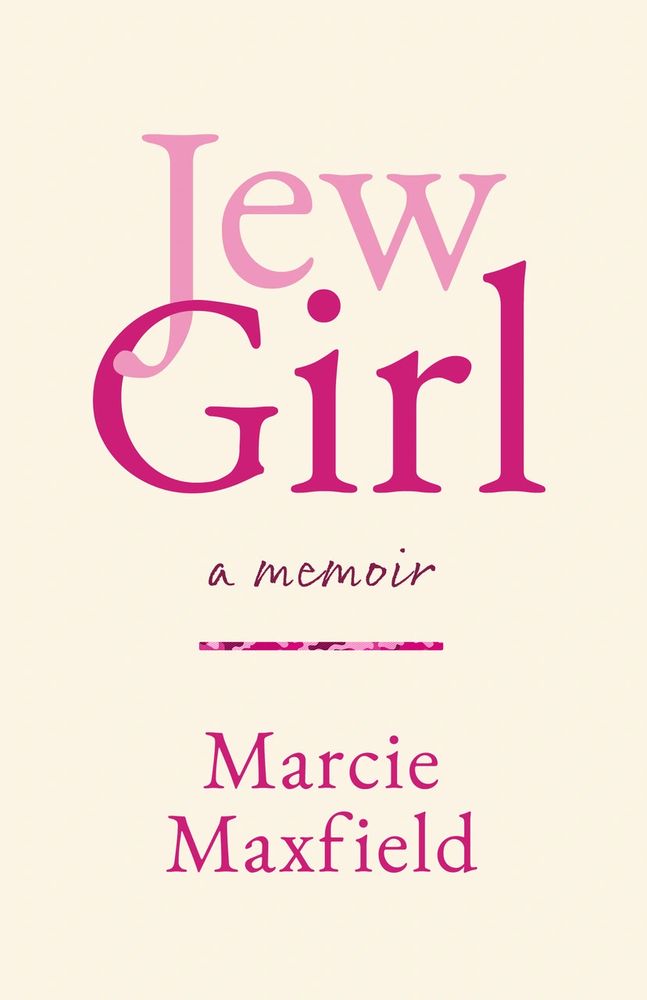

The book is a memoir about identity, family, and the messy, often contradictory ways of belonging. Marcie Maxfield weaves together her childhood in Detroit, her encounters with antisemitism, her complicated relationship with religion, and her adult life as a Jewish American woman. She writes about the boxes society asks us to check, about being pushed into identities that don’t fit, and about the tension between privilege and persecution. The stories are intimate and raw, often funny, sometimes heartbreaking, and always threaded with her determination to make sense of what it means to be Jewish in America today.
Reading this book felt like sitting across from a friend who’s decided to tell you everything without a filter. I loved the way Maxfield blends humor with pain. One moment I was laughing at her sharp one-liners, the next I felt a knot in my stomach from the ugliness of the prejudice she describes. What I liked most was her honesty. She doesn’t pretend to have neat answers, and that made the book feel real. The writing isn’t polished in a “perfect” way, but that’s part of its charm. It rambles sometimes, it jumps tracks, it circles back. Life is messy, and her style matches that chaos. I found myself leaning into the voice, trusting it, even when it got uncomfortable.
Some chapters felt like she was emptying a lifetime of stories onto the page. There were sections where I wanted more reflection and less rapid-fire memory. But even in those moments, the energy carried me forward. She writes with urgency, as if she knows these stories need to be told now, before they’re forgotten or drowned out by louder voices. That urgency gave the book a pulse, and I couldn’t put it down for long.
JewGirl isn’t a neat narrative, it’s a lived one, and that’s what makes it powerful. I’d recommend it to anyone who has ever felt out of place, anyone curious about the lived experience of American Jews, and anyone who likes memoirs that aren’t afraid to be messy and sharp and tender all at once. It’s not a book that holds your hand. It’s a book that looks you in the eye and says, This is how it is.
“…but that’s not me.”: Changing the Story of Interpersonal Abuse

“…but that’s not me.”: Changing the Story of Interpersonal Abuse is a compelling and insightful self-help book that sheds light on the complexities of abusive relationships. It challenges conventional perceptions of abuse, revealing that it extends far beyond physical violence. Through the powerful testimonies of domestic abuse survivors and authors Erika Shalene Hull and Dr. Cheryl LeJewell Jackson, the book underscores a universal truth, at the heart of every abusive dynamic lies an imbalance of power. By sharing their personal experiences, Erika and Cheryl have created a practical guide to recognizing, addressing, and, when necessary, escaping abusive relationships.
One of the book’s greatest strengths is its seamless integration of raw and deeply personal stories with psychological insights and precise definitions of various forms of abuse. Erika and Cheryl’s narratives captivate, weaving a tapestry of pain, resilience, and ultimate empowerment. Erika’s harrowing account of financial exploitation, her husband siphoning money to fuel his addictions while she was pregnant with their third child, is particularly haunting. The contrast between the relationship dynamics she observed growing up and those she later endured as an adult highlights a chilling reality: abuse is often normalized before it is recognized.
Cheryl’s experience, shaped by different social circumstances, mirrors Erika’s. Both women initially rationalized and excused the mistreatment they suffered. This universal tendency to downplay or justify abuse is one of the book’s most thought-provoking themes. Many readers will likely see echoes of their own experiences or those of loved ones, reinforcing the importance of recognizing and addressing abusive patterns before they escalate.
This book serves as a crucial tool for identifying the often-overlooked red flags of psychological, financial, and emotional abuse. While the focus remains on domestic violence within romantic relationships, the authors emphasize that abuse knows no gender and can manifest in various interpersonal dynamics. The message is particularly urgent for women, who are often conditioned to overlook or rationalize coercive control in non-physical forms.
I highly recommend …but that’s not me. to anyone seeking a deeper understanding of the psychology behind both abusers and survivors. It is an essential read for those looking to safeguard themselves from toxic relationships, as well as for professionals and individuals passionate about psychology and mental health. Be prepared to feel educated, enraged, heartbroken, and ultimately inspired.
Pages: 456 | ASIN : B0BGJPQHD7



