My Story Wasn’t Just Mine
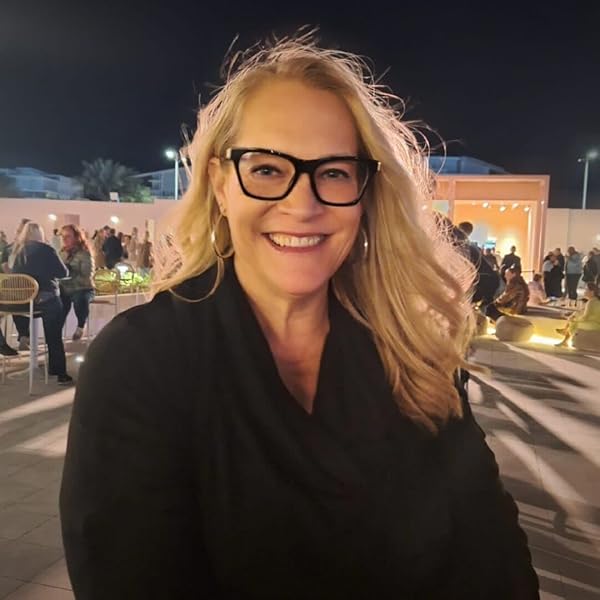
The Committed Professor: A Memoir is a powerful and unflinching account of your descent from contentment to emotional devastation. What were some ideas that were important for you to share in this book?
There were three key ideas I wanted to convey in this book.
First, betrayal, divorce, and narcissistic abuse aren’t just painful experiences. They can be deeply traumatic. I endured all three at once, and the psychological consequences were profound. Too often, people underestimate the lasting impact of these relational traumas. I wanted readers to know they are not alone, that their pain is real, and that these experiences fundamentally change who you are as a person. By sharing my story, I aimed to validate the emotional and psychological toll these experiences take, particularly on women.
Second, individual trauma doesn’t exist in a vacuum. It is shaped and compounded by systemic forces, especially for women. We live in a patriarchal society that often dismisses women’s pain and questions their credibility. Divorce, in particular, becomes a site where male privilege plays out in legal, financial, and social realms, making it even harder for women to break free and rebuild their lives. I wanted to explore how these structural inequalities intensify an already devastating experience, turning divorce into a broader battle for agency and justice.
Finally, I wanted to show that survival is possible. This book isn’t just about trauma. It is also about resilience. I didn’t write it to dwell in despair but to illuminate the path forward. Healing is neither linear nor easy, but it is possible. There is power in speaking our truth, in reclaiming our voices, and in understanding that we are not defined by what was done to us but by how we rise from it to help others.
I appreciated the candid nature with which you told your story. What was the hardest thing for you to write about?
The hardest part of writing this memoir was confronting the impact that my toxic divorce had on my children. As a mother, you want to protect your kids from pain, and reflecting on how my choices and circumstances affected them was heartbreaking. Writing about them meant revisiting some of the most difficult moments of my life, times when I felt like I was failing them or couldn’t shield them from the fallout of the divorce.
It was especially challenging to navigate the balance between telling my story and respecting their privacy. My children are a central part of my life, and their experiences are intertwined with mine. But as I wrote, I had to be careful that I wasn’t projecting my perspective onto their stories.
Ultimately, writing about my kids forced me to face some of my deepest regrets. It brought up a lot of guilt, but it also brought moments of clarity. It reminded me of my strength as a mother and the ways I’ve fought for them, even in the face of immense personal struggles.
What was the most challenging part of writing your memoir and what was the most rewarding?
Without a doubt, the hardest part of writing my memoir was reliving the trauma of my past. Writing a memoir isn’t just about telling a story. It is about digging up painful memories, sitting with them, and shaping them into something that resonates with others. Revisiting my ex-husband’s betrayals, narcissistic abuse, and the toxicity during the divorce process took an emotional toll. There were moments I questioned whether I could continue, especially knowing the stigma that comes with women publicly sharing their experiences. But I kept going because I knew my story wasn’t just mine. It also belonged to countless other women who have been cheated on, gaslit, manipulated, and abused.
The most rewarding part was reclaiming my voice. For so long, my reality had been distorted by my ex-husband, by societal expectations, by the family law and court systems, and even by my own attempts to rationalize what had happened. Writing this book allowed me to break free from that distortion and tell my truth on my own terms. And seeing how my story resonates with other women—how it helps them feel seen, validated, and empowered—has made every painful moment of this process worth it. The Committed Professor isn’t just about my personal journey; it’s about challenging the cultural narratives that silence women and hold them responsible for men’s betrayals and abuse. The response from readers who feel less alone because of my story has been the greatest reward.
What advice do you have for aspiring memoir writers?
My advice to aspiring memoir writers is to be brutally honest with yourself and don’t shy away from the hard truths. A memoir isn’t just a collection of events, but an excavation of your deepest emotions and experiences. That means facing parts of your past you might rather avoid. But it’s in those raw, unpolished moments that the true power of your story lies.
At the same time, give yourself permission to take breaks. Writing about your life can be emotionally exhausting, and processing trauma on the page isn’t something you can push through too quickly. Prioritize your mental health. Let yourself sit with the memories as they surface. The most meaningful writing often takes time.
Another key piece of advice is to focus on the universal themes within your story. While your experiences are uniquely yours, what makes a memoir resonate is its ability to tap into emotions and struggles that others recognize in themselves. Readers connect not just to what happened, but to how it felt.
And finally, remember that writing a memoir is as much about healing as it is about storytelling. Be kind to yourself throughout the process. Telling your story is an act of courage, and no matter how difficult it feels, the result will be worth it.
Author Links: Website | TikTok | Instagram | BlueSky
________
In The Committed Professor, A Memoir, My Fall from the Lectern to the Psych Ward, Dr. Kathi N. Miner tells the powerful true story of being married to a man with a double-life of adultery, the horrific narcissistic abuse that occurred after she filed for divorce, and the related events that led her to being committed to a psychiatric hospital. In her harrowing narrative, she demonstrates the critical role patriarchy plays in the process of divorcing abusive men.
The Committed Professor, A Memoir, My Fall from the Lectern to the Psych Ward should be of interest to:Anyone who has experienced or wants to learn more about narcissistic or psychological abuse by an intimate partner
Anyone who has experienced or wants to learn more about narcissistic, betrayal, or divorce trauma
Those with post-traumatic stress disorder (PTSD) or PTSD-related symptoms as a result of non-physical abuse from an intimate partner
Women in the midst of a marital separation or divorce from an abusive partner or who are considering leaving their psychologically abusive partner
Academics and students in psychology, women’s and gender studies, sociology, law, social relationships, and health and well-being
Those who work in the family law system (e.g., attorneys, judges, social workers, etc.)
Anyone who likes a good, true story that is full of surprising twists and turns
Posted on March 12, 2025, in Interviews and tagged abuse, author, book, book recommendations, book review, Book Reviews, book shelf, bookblogger, books, books to read, ebook, goodreads, indie author, Kathi Miner, kindle, kobo, literature, memoir, mental health, nonfiction, nook, novel, read, reader, reading, self help, story, The Committed Professor, true story, women's sutdies, writer, writing. Bookmark the permalink. Leave a comment.



 LITERARY TITAN
Leave a comment
Comments 0