I Love Everything About Noir
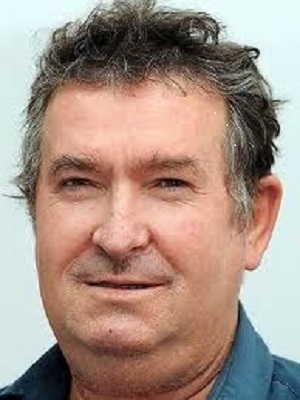
Three Faces Of Noir Curse Crime Cringe is a deep dive into the shadowy world of film noir, tracing its roots from German Expressionism through Hollywood’s golden age and into overlooked B-movie gems. This is your fourth book on Noir Films; what drives your passion for this genre?
I love everything about noir – imagination overcoming low budgets, crisp dialogue, sharp black and white photography, willingness to engage with vexed social issues, great acting, direction, sets, and music.
What sets this time period of noir film apart from previous periods, and do you have a favorite period?
French critic Nino Frank described film noir as a new kind of 1940s crime movie that was at its heart a psychological tale. As I say in my book, gangster movies, and horror movies shared some of this psychological edge because many of the cast and crew ( often European expats) went from gangster and horror to noir. But noir was of its time and critically examining that time as few movies before had done. With war, censorship, and social inequality in our present time, it would not surprise me to see new converts to the magic of film noir.
What are some things that you find interesting about the human condition that you think make noir films come alive?
In a bleak period of history when war, corruption, and economic, depression prevail, people are lonely, frightened, and desperate for human contact and peace. Others are consumed by greed, lust, and revenge. Noirs reflect these social reactions.
Do you have any plans to write a new series on Neo-noir and how it has shaped the film industry?
I might. As a percentage of good neo-noirs, (movies made in or after 1960) to overall product, the genre is inferior to noir. With the relaxation of censorship and color favoring the big image, story and character sometimes suffered. That being said, some first or second time directors produced some good neo-noirs. I think they studied low budget noirs and made films with that sort of ambience. A good example is the second feature of Tom Ford, Nocturnal Animals 2016.
Some very good neo-noirs for those who want to know more: Chinatown, A Simple Plan, Blood Simple, The Departed, Unsane, Emily the Criminal
Author Links: X | Facebook | Website
In six lively pictorial essays, Dowling continues his series on film noir in the public domain.
In the Curse section, Dowling reviews 1940s horror noirs, while Crime examines the 1938 proto-noir Algiers and a 1950s noir directed by Stanley Kubrick. Cringe looks at the noir theme of humiliation in the 1940s and 50s.
Dowling’s sly humor offers comic relief along the path to the joyous darkness that is film noir.
Historical photos abound of classic Hollywood, its movies, and their creators.
This is the final volume of this series on film noir in the public domain, and Dowling reveals his 10 favorite film noirs, with a surprise or two on the list.
Posted on September 2, 2025, in Interviews and tagged 20th century, author, book, book recommendations, book review, Book Reviews, book shelf, bookblogger, books, books to read, crime, crime moves and video, ebook, genre films, goodreads, history, humor about law and crime, indie author, kindle, kobo, literature, nonfiction, nook, novel, read, reader, reading, story, Three Faces of Noir Curse Crime Cringe, writer, writing. Bookmark the permalink. Leave a comment.



 LITERARY TITAN
Leave a comment
Comments 0