Therein Lies the Pearl
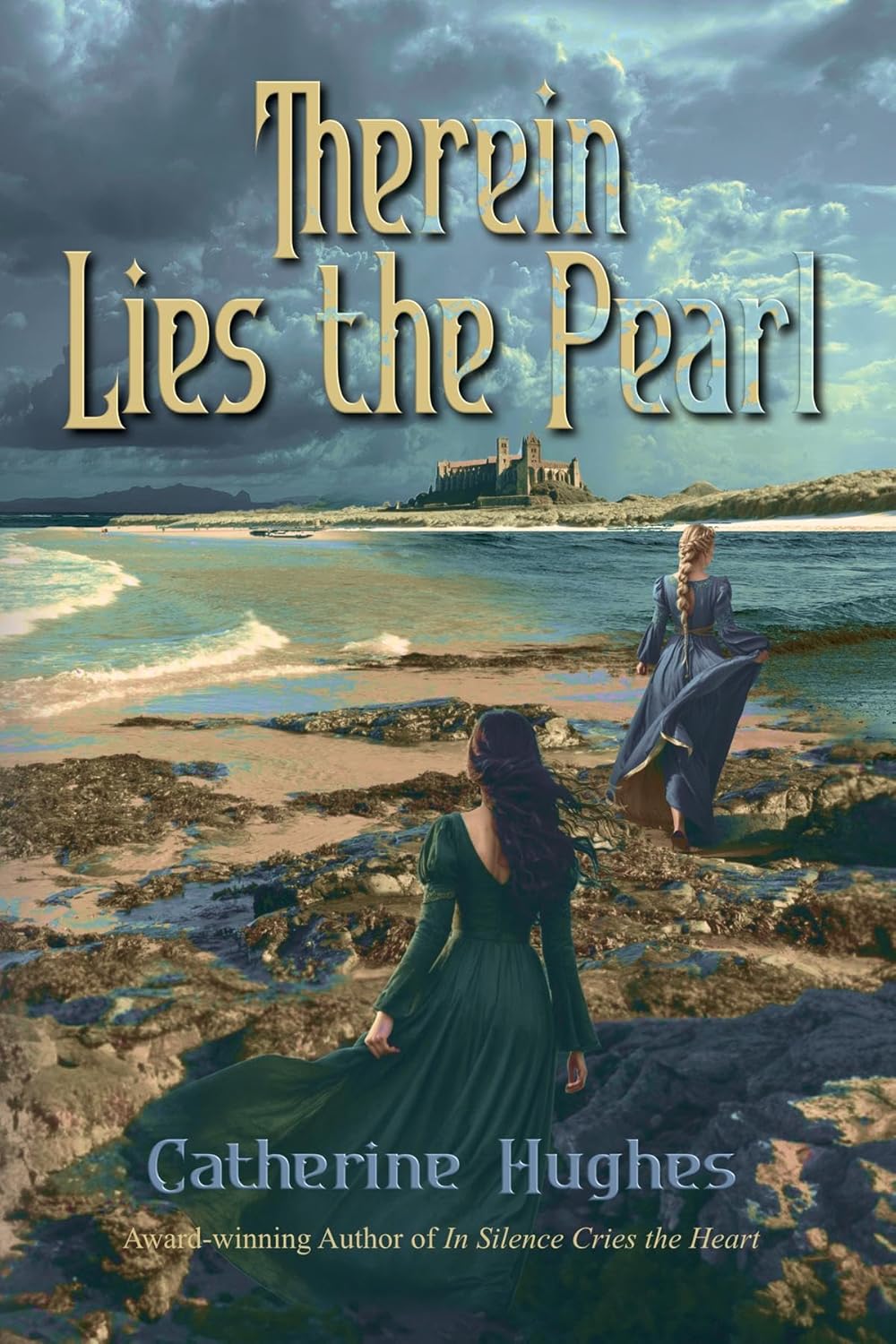

Therein Lies the Pearl by Catherine Hughes is a historical fiction novel set in the 11th century, moving from rural Normandy into the orbit of Duke William and then across the Channel into England in the years around the Norman Conquest. The story follows Celia as loss and duty harden her early, especially after her mother dies in childbirth and Celia becomes the steady center for her baby sister, Vivienne. Over time, Celia is pulled into larger forces and unfamiliar institutions, including religious life and English politics, with friendships and loyalties tested as power shifts and violence spreads. The book frames all of it with a storm at sea in 1068, a moment that feels like the story’s emotional bookend and its reckoning.
I liked the writing’s physical closeness. Hughes keeps putting your hands in the work: bailing, washing, digging, carrying, feeding. It is the kind of detail that makes survival feel earned, not symbolic. Celia, especially, is drawn with a sharp edge that I came to trust. She is not “likable” in a neat way, and that is the point. When she is tender, it lands because you have seen how hard she fights to keep tenderness alive in a world that keeps trying to stamp it out. The language is earnest and old-world without getting showy, and it often uses simple, concrete sensations to keep you grounded, like cold water, rough cloth, and the hush of spaces where people are not saying what they mean.
The author’s choices around history are interesting, too. This is not a battlefield chronicle, even though wars and rulers matter. It is a story about how big events leak into kitchens, convent halls, and friendships. One scene that was particularly impactful for me was the chaos around William’s coronation, where misunderstanding and fear turn into fire and violence, and the personal cost lands right inside the political moment. I also appreciated the way the book admits what it is doing: it is fiction inspired by historical events and family stories, not a literal record. That honesty makes it easier to relax into the novel’s emotional logic, especially when the plot shifts into court pressure, religious scrutiny, and the quiet bargaining people do with themselves to endure.
By the end, I felt like I had lived beside these characters, not just watched them. The final movement, looping back to the storm framing, brings a stark, fateful mood that fits what the story has been asking all along about agency, sacrifice, and what we owe the people we love. I would recommend this most to readers who like historical fiction that prioritizes interior life and lived detail over nonstop action, and to anyone who enjoys stories about resilient women navigating faith, family, and power without being turned into saints. If you want a medieval world that feels muddy, intimate, and emotionally serious, you’ll enjoy this novel.
Pages: 518 | ASIN : B0G67J1G46


Posted on March 3, 2026, in Book Reviews, Five Stars and tagged author, book, book recommendations, book review, book reviews, book shelf, bookblogger, books, books to read, Catherine Hughes, ebook, fiction, goodreads, historical romance, indie author, kindle, kobo, literature, medieval fiction, Medieval Historical Fiction, nook, novel, read, reader, reading, story, Therein Lies the Pearl, writer, writing. Bookmark the permalink. Leave a comment.



Leave a comment
Comments 0