Blog Archives
Literary Titan Gold Book Award: Fiction

The Literary Titan Book Award honors books that exhibit exceptional storytelling and creativity. This award celebrates novelists who craft compelling narratives, create memorable characters, and weave stories that captivate readers. The recipients are writers who excel in their ability to blend imagination with literary skill, creating worlds that enchant and narratives that linger long after the final page is turned.
Award Recipients
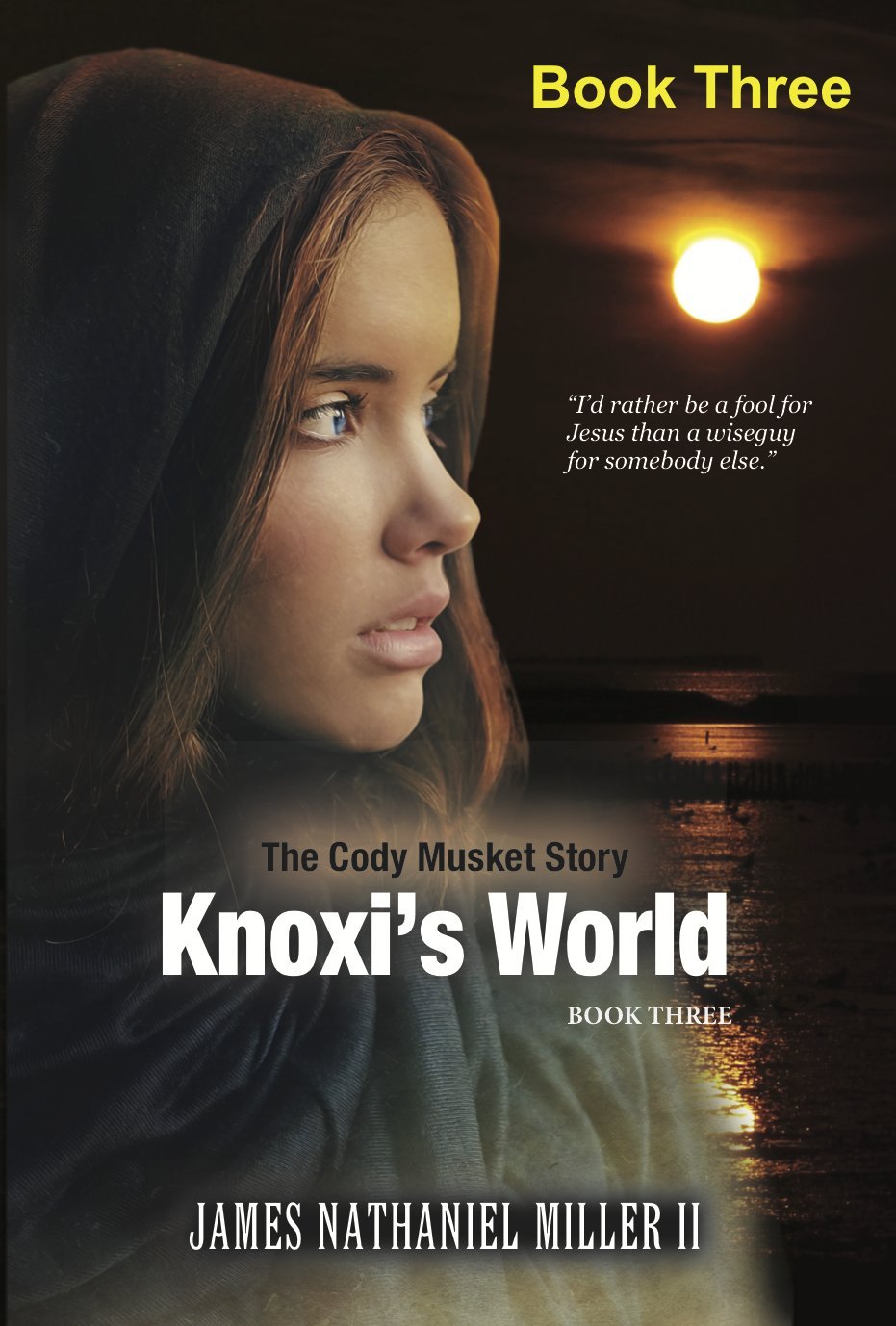








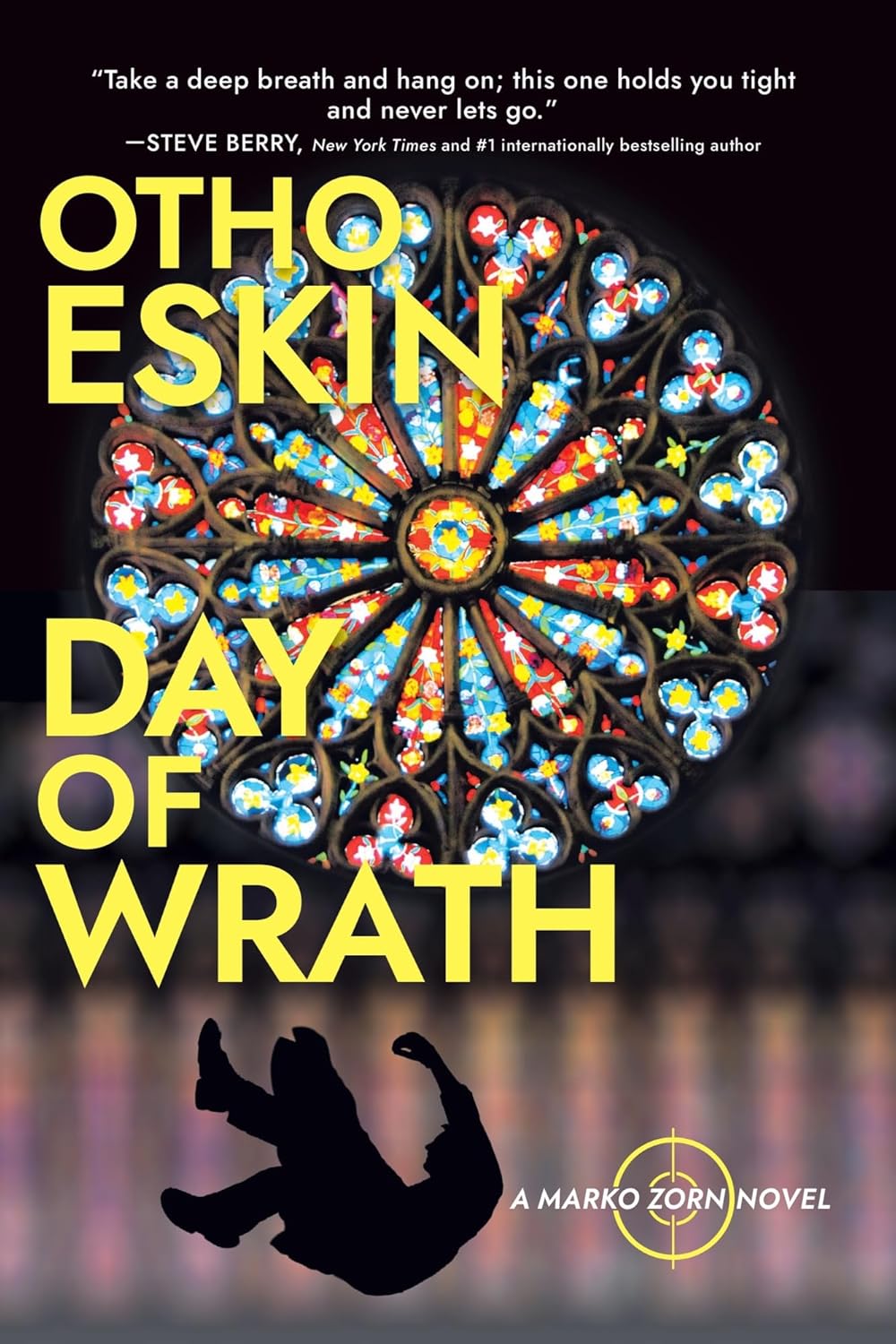





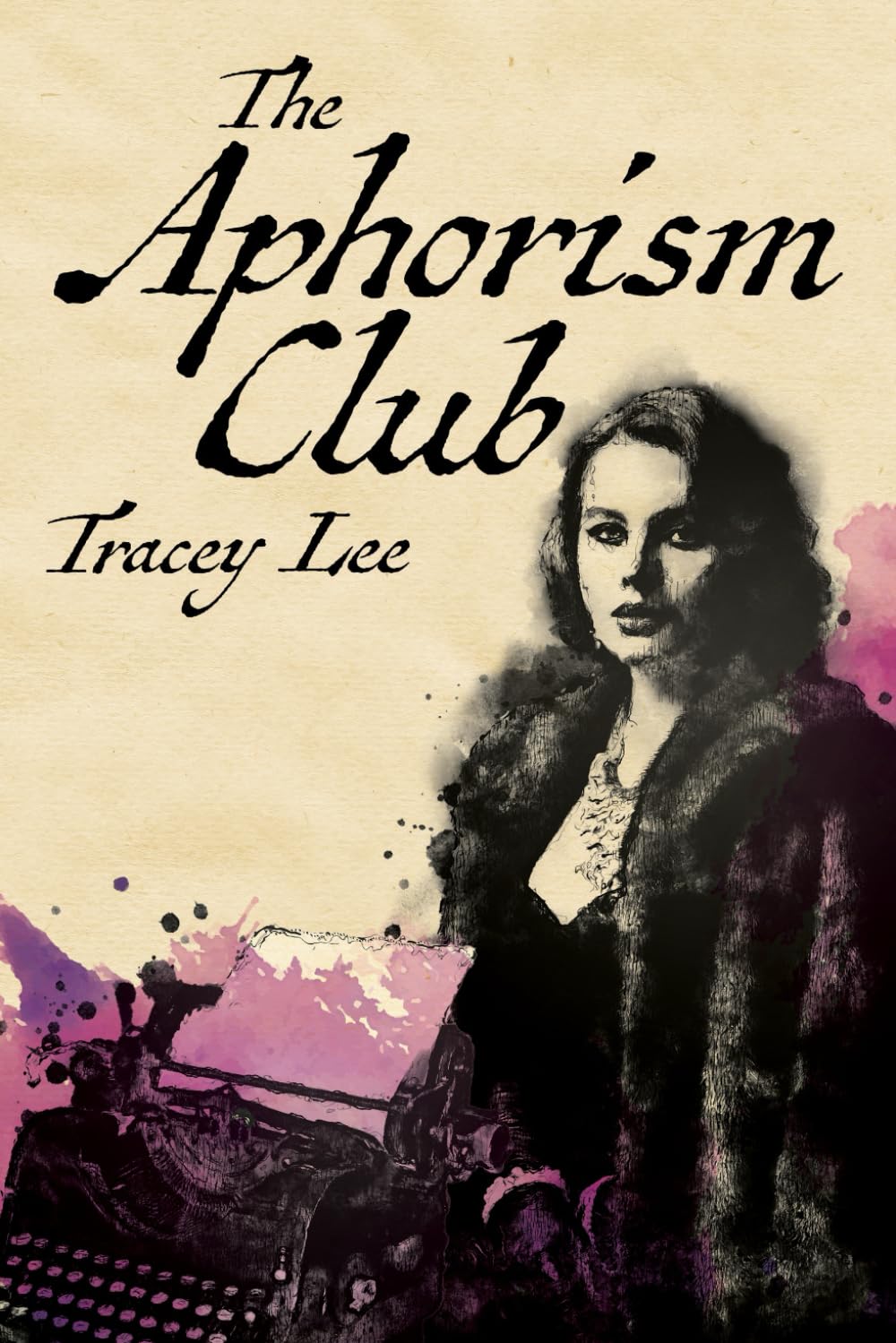





The Voice of Cuba by Amarilys Rassler
Visit the Literary Titan Book Awards page to see award information.
Literary Titan Silver Book Award

Celebrating the brilliance of outstanding authors who have captivated us with their skillful prose, engaging narratives, and compelling real and imagined characters. We recognize books that stand out for their innovative storytelling and insightful exploration of truth and fiction. Join us in honoring the dedication and skill of these remarkable authors as we celebrate the diverse and rich worlds they’ve brought to life, whether through the realm of imagination or the lens of reality.
Award Recipients










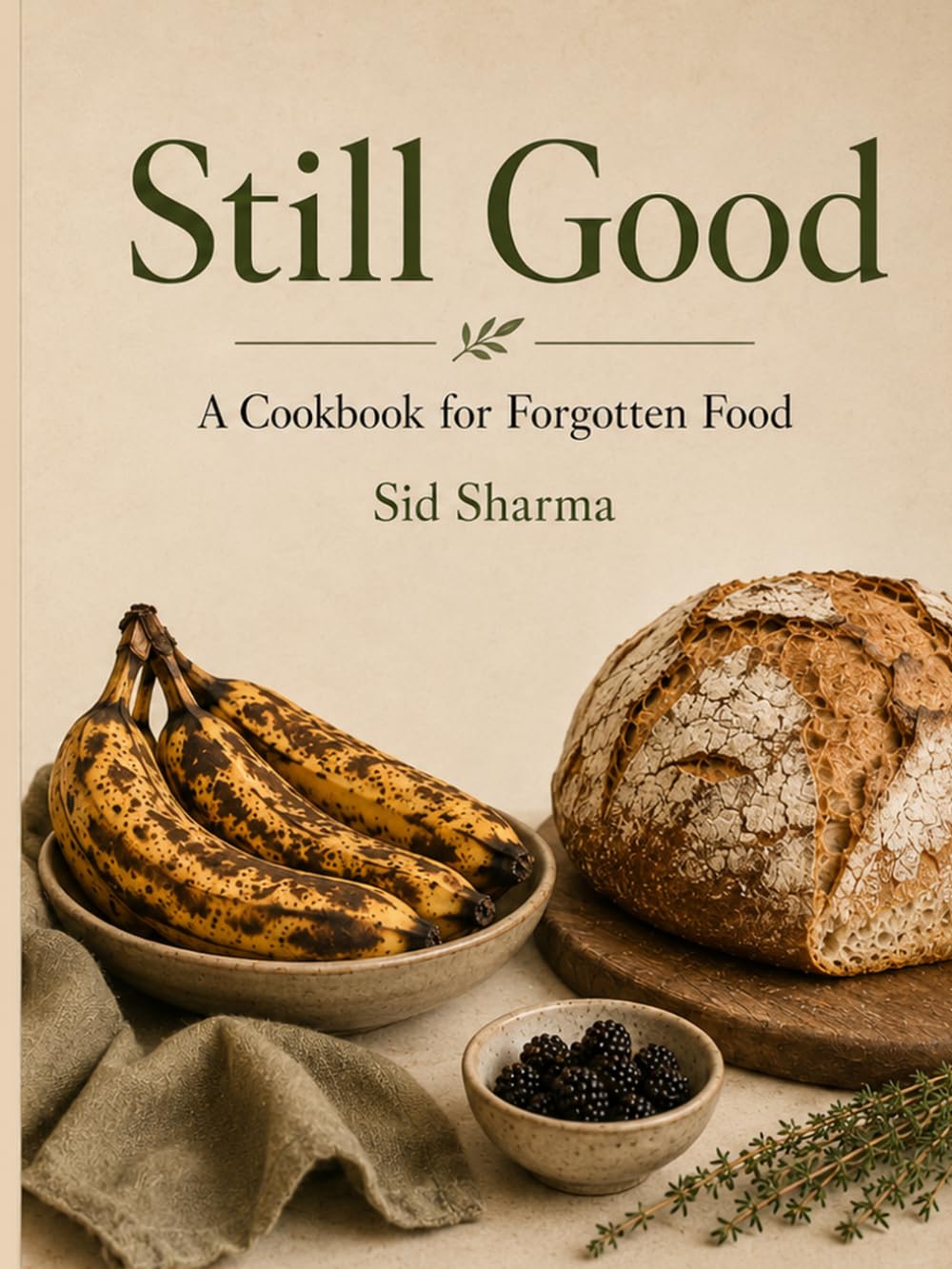







ȚEPEȘ: VLAD III DRACULA by Sebastian Valerius
Out of the Water by K Browning
The Galaxy of Kon-Ki: Waking on Earth by Colin Nimer
Visit the Literary Titan Book Awards page to see award information.
More than a Stereotype

Butterfly Games follows Swedish countess Jacquette Gyldenstolpe as she navigates the glittering yet treacherous royal court of 1800s Europe, where one misstep in love or politics could mean ruin. What was the inspiration for the setup of your story?
Like so many of the interesting paths I’ve taken in my life, Butterfly Games began with a book. As a teenager, I loved Annemarie Selinko’s Désirée, about the French silk merchant’s daughter who was once engaged to Napoleon and later became Queen of Sweden. Years later, I began researching her descendants, the Bernadotte dynasty, and discovered Jacquette Gyldenstolpe.
Jacquette immediately fascinated me. She was a young Swedish countess whose life became entangled with Désirée’s son, Prince Oscar, soon after his family arrived from France and became Swedish royalty. Sweden was in an extraordinary moment of transition: it had lost Finland in a war with Russia, deposed a king, and imported Oscar’s father, a French commoner, to establish a new dynasty. Into that political uncertainty came two young people, Jacquette and Oscar, who were outsiders in very different ways.
The more I researched Jacquette—her childhood at Finspång Castle, her parents’ scandalous divorce, the letters she and her family left behind—the more I knew I had to write this novel.
The concept of the “Butterfly Game” as a social code is fascinating. Is it based on historical practice or your own invention?
A little of both. The phrase itself has a historical origin, but the larger meaning it takes on in the novel is mine.
While translating material connected with Queen Hedvig Elisabeth Charlotta’s extensive diaries, I came across the Swedish word fjärilsleken—literally, “the butterfly game”—in an annotation describing the queen’s husband’s philandering with women at court. Titles are hard, but this one—Butterfly Games—locked in the first time I translated the term.
In the novel, I expanded the meaning of the Butterfly Game into shorthand for the unwritten rules governing court life: who could marry whom, who had access to power, who possessed useful information, and how sex, gossip, friendship, family connections, and political alliances could all become currency. Women could not command armies or hold political office, but they could form alliances, circulate information, influence powerful men, and occasionally bend the system to their advantage.
So, there was no historical rulebook called “The Butterfly Game.” The phrase is, however, a real historical term; the social and political game Jacquette struggles to understand is my fictional interpretation of the world she faced.
Jacquette is a compelling heroine. Did any historical figures influence her creation?
Jacquette Gyldenstolpe is a historical figure, which is part of what made writing her so irresistible. History (largely written by men) had reduced her largely to a stereotype: the Swedish countess who had an affair with Prince Oscar. I wanted to know who she was before she became the prince’s favorite.
Researching the true story of Jacquette’s life took years. I eventually discovered hundreds of letters written by her and members of her family, many of them in French, along with memoirs, court records, newspapers, and later a wonderful Swedish-language biography. Those sources gave me the framework of her life, but inevitably there were gaps. No archive has documentation about what she and Oscar said when they were alone or how she felt at the most consequential moments of her life. As a historical novelist, that’s where my fun began.
The women around Jacquette also helped me understand the choices available to her. Her mother, Aurora, was pragmatic and politically astute; her Aunt Emilie had survived scandal of her own; Queen Charlotte understood the uses of court influence remarkably well. They lived in a society that placed severe limits on women, yet they still found ways to exercise power. I wanted Jacquette to belong to that world rather than giving her twenty-first-century attitudes. Her rebellion had to be the rebellion of a young woman born in 1797.
Can we expect a sequel or continuation of Jacquette’s story in future works?
Yes. And I should be in my writing space drafting Book Two of the Butterfly Games series right now. When the first book closes, Jacquette and Oscar’s story is very much unfinished.
Book Two begins after the events of Butterfly Games, with Jacquette no longer the bullied teenager readers first met. She is a married woman who understands far more about the world she inhabits—and about the cost of playing, or refusing to play, the Butterfly Game. Oscar is now crown prince, first in line to the throne, so the choices they made when they were younger carry much greater consequences.
And then there is Carl Löwenhielm. He can offer Jacquette something Oscar cannot: a socially acceptable future. I’m fascinated by love triangles in which the choice is about more than two men, because each relationship represents a different possible life. Book Two increasingly asks a third question beyond Team Oscar or Team Carl: what would it mean to be Team Jacquette?
Author Links: GoodReads | X | Facebook | Website
In the opulent world of the Swedish royal court, Jacquette Gyldenstolpe walks a dangerous tightrope between romance and political intrigue. Neglected by her parents and ostracized by the people around her, the young countess falls in love with Prince Oscar, heir to the Swedish throne—but their passionate affair has far-reaching consequences for the new Bernadotte dynasty, which is already challenged by threats from inside Sweden and beyond.
By the time Jacquette learns that the Butterfly Game is not for the faint-hearted, it is too late. For she has a secret—one as precious to her as it is potentially devastating to the crown—and she will stop at nothing to protect it.
Based on a true story and set in stormy early-1800s Europe, Butterfly Games is a sweeping historical tale of forbidden love, fierce duty, and the cost of ambition. From the lavish ballrooms of Stockholm to the elegant manor houses of the Swedish countryside, Jacquette’s story will transport readers to a world where every whisper could lead to triumph or ruin.
Passion’s Duty

Lizzie Jenks’s Passion’s Duty is a lively historical romance set in New York’s Mohawk Valley as the French and Indian War begins to gather force in 1755. James Carroll, an ambitious Irish immigrant working for William Johnson, hopes military service will earn him the status and security he’s never had. Faith Richmond arrives with her irresponsible officer father, expecting to manage his affairs and accept a practical marriage arranged around land, debt, and family obligation. When she’s injured and placed in James’s care, their attraction develops alongside escalating danger from French scouts, disputed territory, and an approaching military campaign.
The romance works because James and Faith admire each other’s abilities before either one fully understands their feelings. James is a skilled woodsman and natural leader, but he carries deep insecurity about his poverty, limited education, and Irish identity. Faith is intelligent, commercially minded, stubborn, and accustomed to doing work that the men around her barely notice. Their relationship gains momentum through action. He learns that she can think under pressure, gather intelligence, tend wounds, and keep moving through fear. She sees the loyalty and tenderness beneath his rough humor and ambition. Their conversations are often funny, and the supporting cast gives the story the comfortable energy of a close, argumentative family.
Jenks also gives the historical setting real weight. The wilderness is beautiful, inconvenient, and dangerous, while the political situation is complicated by competing British, French, colonial, and Indigenous interests. Mohawk characters such as David and Okwaho have their own knowledge, loyalties, and opinions, and they regularly challenge the assumptions of the British characters. The story moves between domestic concerns and military peril with surprising ease. Faith can be discussing mills and land use in one chapter, then escaping captivity or treating a gunshot wound in another. Some scenes linger on practical details, but those details create a convincing sense of how people traveled, communicated, fought, and survived.
Readers who enjoy Diana Gabaldon’s Outlander may recognize a similar blend of romance, danger, cultural conflict, and carefully researched eighteenth-century life. Jenks’s approach feels more compact and direct, with a stronger focus on frontier military networks and a hero whose central struggle is his hunger for belonging. Passion’s Duty is ultimately a warm, adventurous love story about two capable people realizing that duty doesn’t have to mean surrendering their own futures. James and Faith’s marriage feels earned because it grows from shared danger, mutual respect, and the discovery that each offers the other something deeper than protection or social advantage: a genuine home.
Pages: 289 | ASIN : B0F3W51LPM

Literary Titan Gold Book Award: Fiction
The Literary Titan Book Award honors books that exhibit exceptional storytelling and creativity. This award celebrates novelists who craft compelling narratives, create memorable characters, and weave stories that captivate readers. The recipients are writers who excel in their ability to blend imagination with literary skill, creating worlds that enchant and narratives that linger long after the final page is turned.
Award Recipients






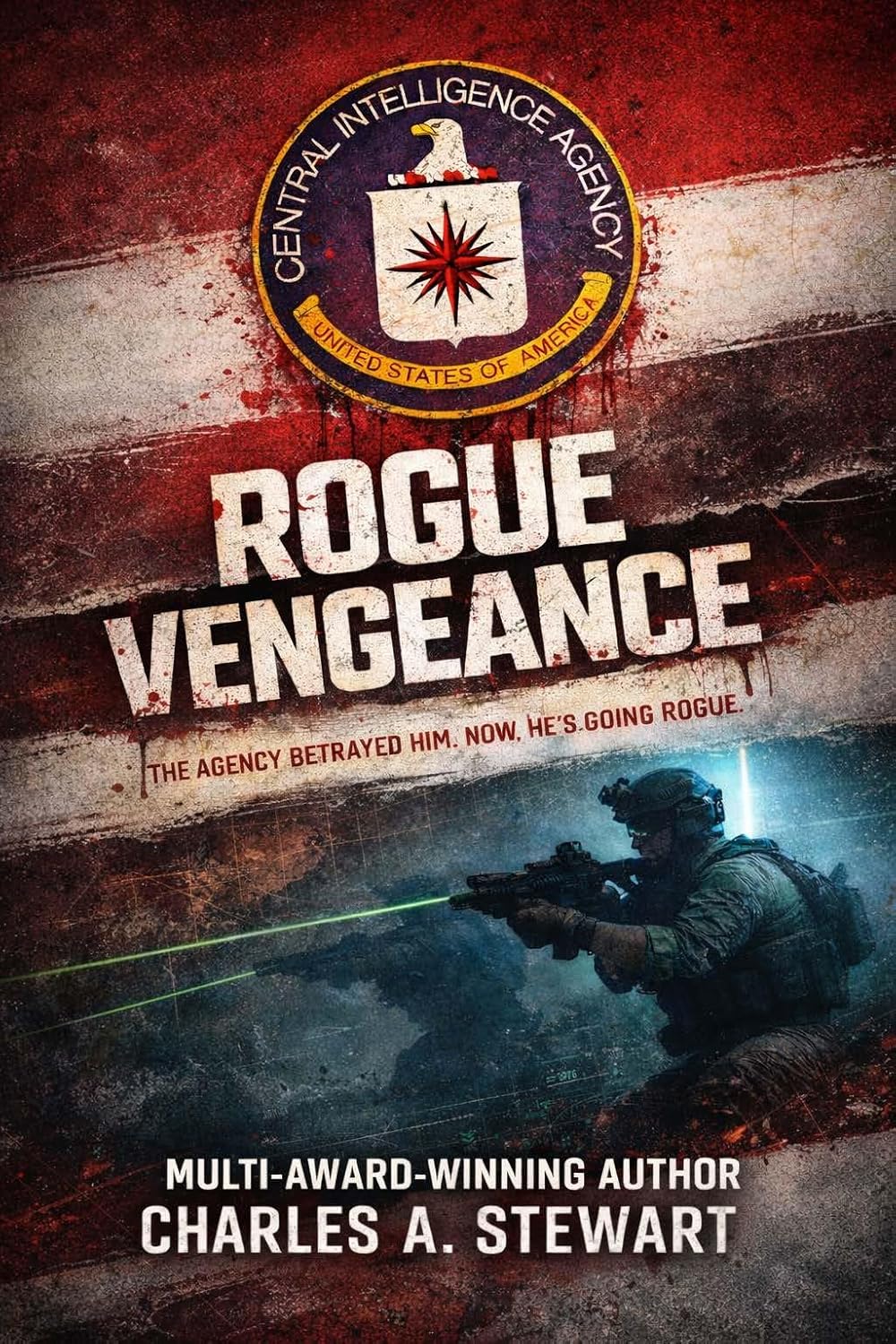


Restoration by Laura Brooke
Even Angels Wear Leather Jackets and Ride Motorcycles by J.A. McGovern
Visit the Literary Titan Book Awards page to see award information.
Literary Titan Silver Book Award
Celebrating the brilliance of outstanding authors who have captivated us with their skillful prose, engaging narratives, and compelling real and imagined characters. We recognize books that stand out for their innovative storytelling and insightful exploration of truth and fiction. Join us in honoring the dedication and skill of these remarkable authors as we celebrate the diverse and rich worlds they’ve brought to life, whether through the realm of imagination or the lens of reality.
Award Recipients


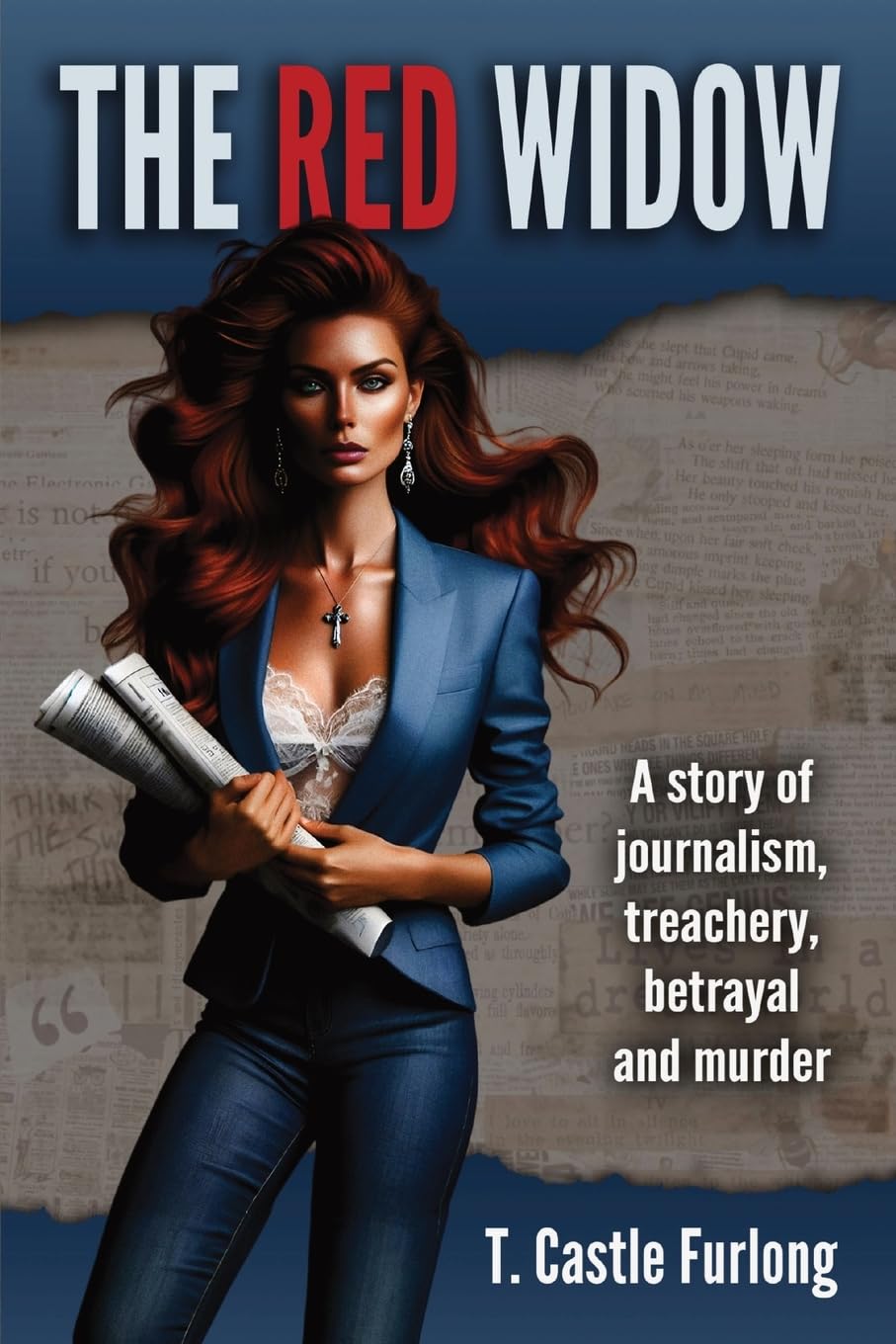
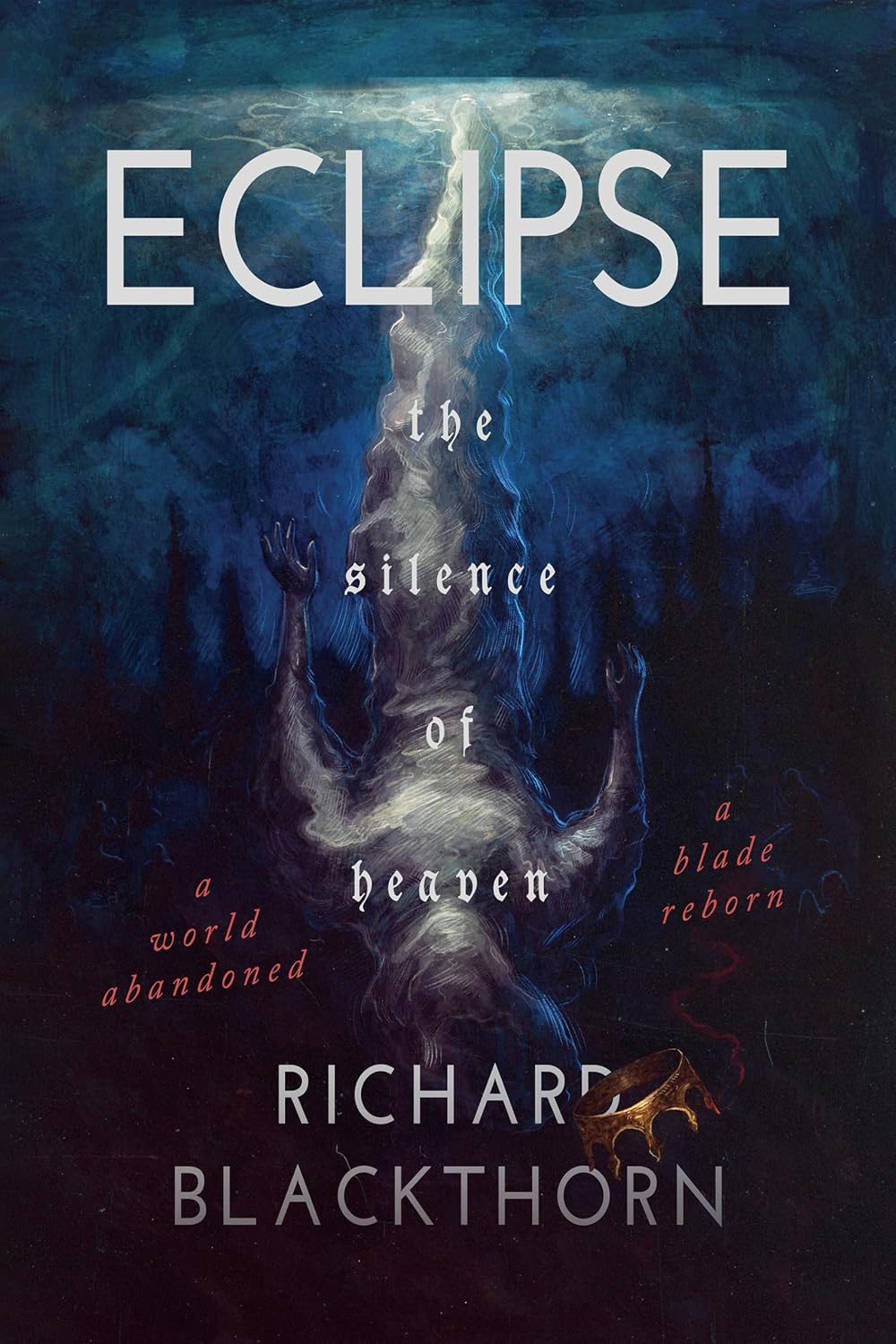





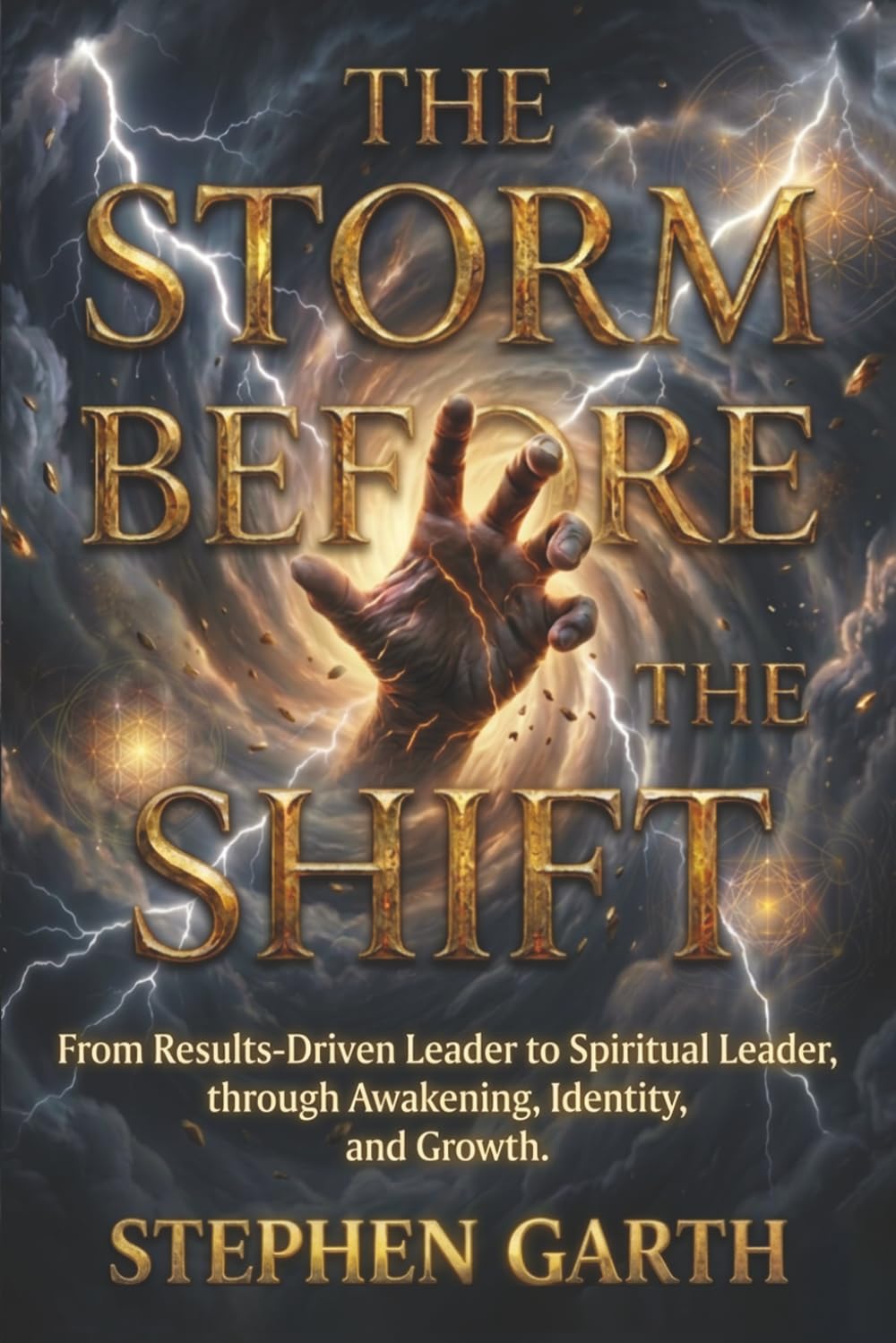








Crescent City Requiem by Brian Kaufman
The Suicide Council by Victer Hugo Basurco
Departure from Innocence by WILLIAM WILSON
Steel & Ballast by Markella Kara
Visit the Literary Titan Book Awards page to see award information.
Young Lady Catherine
Juliet Mercer’s Young Lady Catherine takes one of Jane Austen’s most intimidating characters and gives her a passionate, painful history of her own. Beginning twenty-two years before Pride and Prejudice, the novel introduces Catherine Fitzwilliam as a sharp, ambitious young woman who has learned that perfection, status, and self-control are forms of protection. After her expected marriage to her cousin Phillip disappears in a humiliating public announcement, Catherine becomes entangled with Charles, the troubled heir to the Duke of Hilliard. What starts as a false betrothal develops into genuine love, but family pressure, blackmail, violence, and a devastating misunderstanding separate them. When the story returns to Catherine decades later, she’s the commanding Lady Catherine de Bourgh readers recognize, yet Mercer has made that severity feel like the accumulated weight of everything she’s survived.
The novel’s strongest achievement is Catherine herself. She can be calculating, proud, funny, frightened, affectionate, and infuriating, sometimes within the same conversation. Her obsession with appearances grows naturally from a childhood in which male displeasure carries real danger and social mistakes can permanently alter a woman’s future. Charles is a compelling match for her because he recognizes both her performance and the vulnerable person beneath it. Their romance is intense, but the book is equally interested in trust, agency, and the ways love can become tangled with fear. Even Catherine’s worst decisions make emotional sense, particularly when she chooses security over uncertainty and spends years protecting her daughter Anne from truths she believes would destroy them both.
In its approach to a famously difficult woman, Young Lady Catherine reminded me of Madeline Miller’s Circe. Both novels take a woman remembered largely for her severity and allow her to narrate the experiences that shaped it. Mercer’s style is closer to a traditional Regency romance, with crowded ballrooms, family maneuvering, whispered scandals, and emotionally charged misunderstandings, while Miller’s writing is more mythic and solitary. Still, both authors understand that explaining a woman’s hardness doesn’t require making her harmless. Mercer preserves Catherine’s pride and formidable presence. She simply lets us see the frightened young woman, devoted sister, passionate lover, and fiercely protective mother living inside the character Austen created.
Catherine and Charles are both exceptionally talented at turning silence into catastrophe. The later chapters, which reconnect Catherine’s private history to Darcy, Elizabeth, Anne, Georgiana, and Pemberley, give the novel an especially satisfying emotional payoff. Young Lady Catherine is a generous and absorbing reimagining that transforms Lady Catherine without softening her into someone unrecognizable. By the end, her famous confidence feels less like vanity and more like armor, and watching her finally decide she no longer needs to live entirely inside it is the book’s most rewarding triumph.
Pages: 363 | ASIN : B0H3WK55LN
Literary Titan Gold Book Award: Fiction
The Literary Titan Book Award honors books that exhibit exceptional storytelling and creativity. This award celebrates novelists who craft compelling narratives, create memorable characters, and weave stories that captivate readers. The recipients are writers who excel in their ability to blend imagination with literary skill, creating worlds that enchant and narratives that linger long after the final page is turned.
Award Recipients


















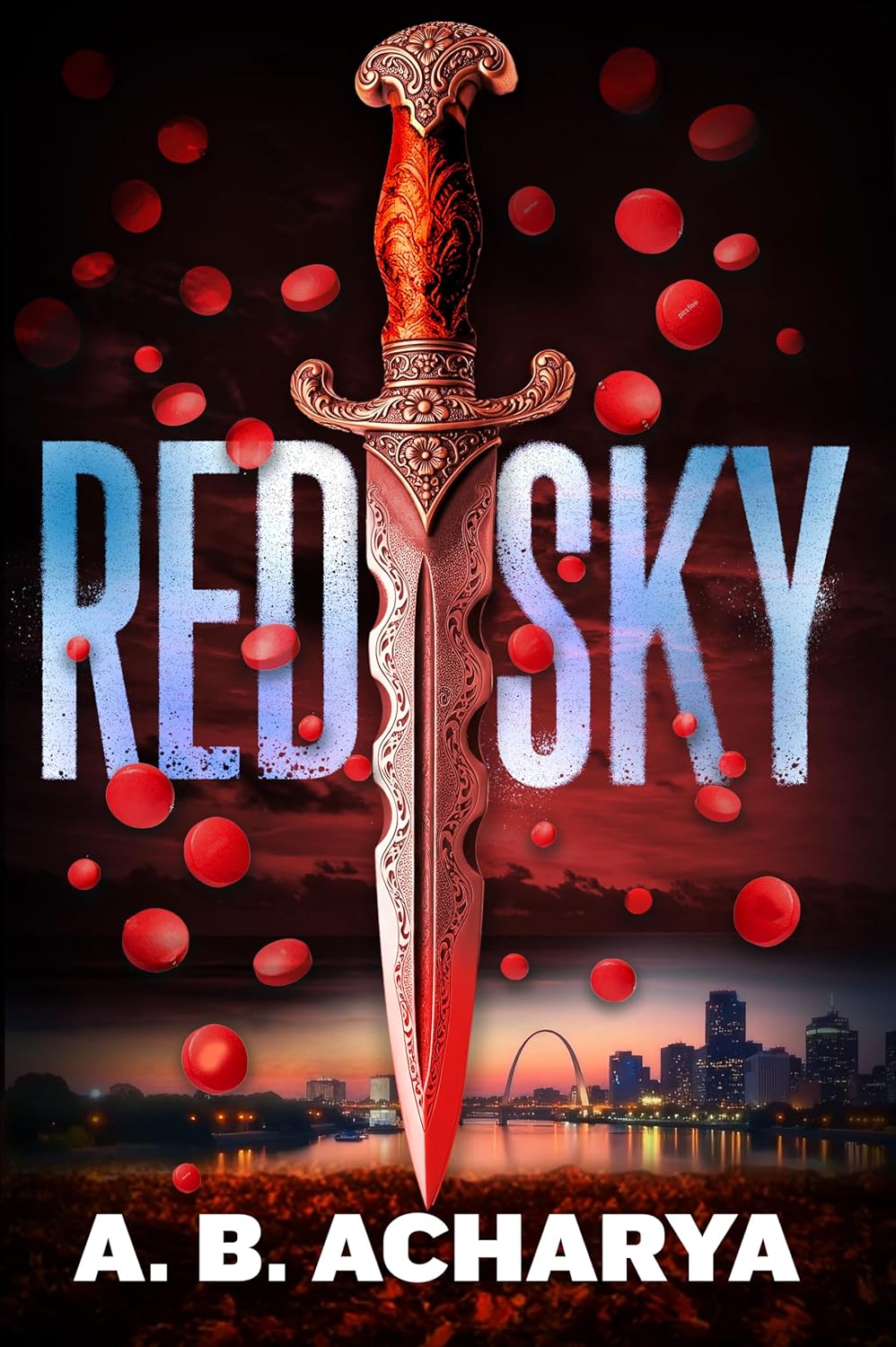





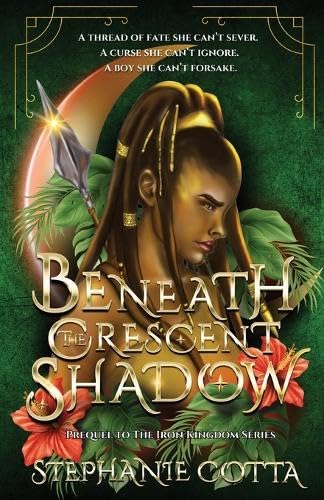


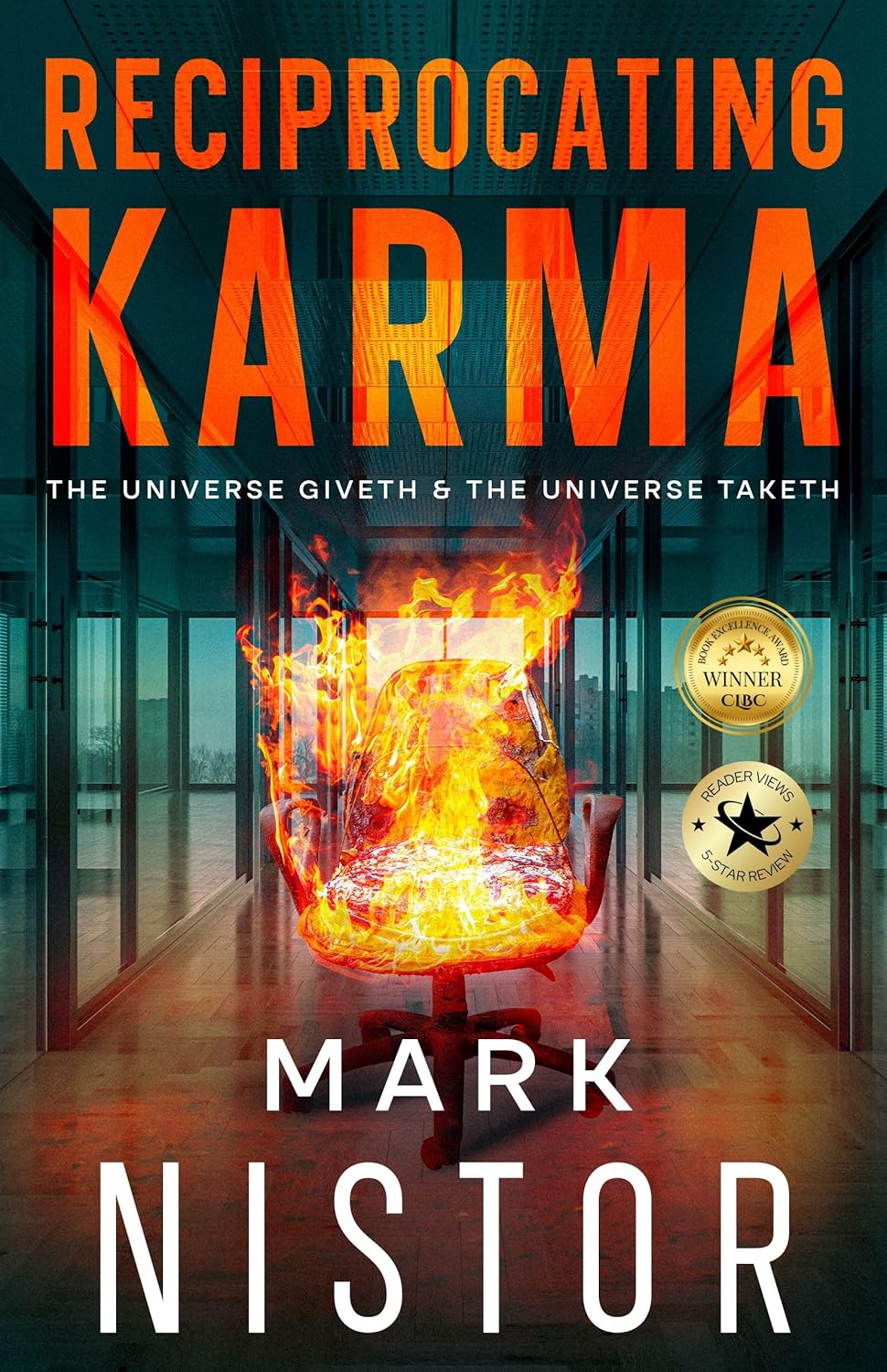


Visit the Literary Titan Book Awards page to see award information.


