Blog Archives
Salamander Man: Mohamed Idris’ search for meaning


Salamander Man is a moving novel chronicling the life of Mohamed Idris, a boy stricken with polio in 1940s Malaya and forced to crawl through his village, earning the cruel nickname “Salamander Man.” Narrated in the first person, the story follows Idris from early childhood to adulthood as he battles ridicule, exclusion, and systemic prejudice to find self-worth, intellectual purpose, and dignity. Guided by resilient parents, patient mentors, and books that opened up new worlds, Idris’s inner journey is as sweeping as his outer constraints are severe. With rich cultural detail and emotional candor, the book becomes both a coming-of-age tale and a testament to the triumph of spirit over circumstance.
Wolter’s themes of alienation, resilience, and the search for meaning through education resonated deeply with me. I admired how Idris’s disability wasn’t presented as something to “overcome” but rather something he simply lived with and made meaning out of. The idea that books could offer freedom when the world denied you movement resonated with me. At times, the dialogue drifted into sentimentality, but those moments were brief and forgivable. The emotional highs are earned. Wolter never lectures, yet the novel feels quietly profound.
I found myself pulled into the emotional current of Idris’s story. Wolter’s writing is plainspoken yet poetic, with just enough color to keep the prose vivid but never overdone. It struck a fine balance between restraint and rawness. The character of Idris feels heartbreakingly real. At times angry, other times funny, almost always stubborn, and always relatable. The injustice of him being refused school admission just for his legs was gutting. But it was the small triumphs, like learning to read, beating the village boys at tree climbing, and building friendships, that broke me open the most. The scenes with his mother, especially when she patiently teaches him to read using the Andy and Betty books, are tender and unforgettable.
Salamander Man to anyone who loves intimate stories about underdogs, outsiders, or bookworms. If you’ve ever felt on the margins or struggled to be seen, you’ll find something true here. It’s for readers who appreciate character over plot, and soul over spectacle. For educators, caregivers, and anyone who’s ever stood by someone whose body or life didn’t fit the mold, this one’s for you.
Pages: 199 | ASIN : B0F2NCRCDX

Salamander Man
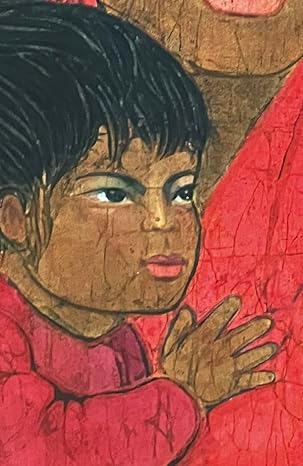

Salamander Man is the fictionalized life story of Mohamed Idris, a Malaysian boy stricken with polio during World War II who loses the use of his legs and is cruelly labeled “Salamander Man” by his peers. Set in a fishing village in Kuala Terengganu and inspired by a real encounter the author had in the 1960s, the novel follows Idris’s journey from ridicule and exclusion to intellectual triumph and emotional self-discovery. Through the unwavering love of his parents, the guidance of generous mentors, and his own unrelenting spirit, Idris carves out a path of meaning and dignity in a world that sees him as broken.
Reading Salamander Man was a deeply personal and unexpectedly emotional experience. James A. Wolter’s writing is simple yet sincere. He writes with the heart of a man who has truly listened to others and wants you to feel what they’ve felt. The first-person voice of Idris is raw and tender, sometimes painfully so. His longing to be loved, to belong, to not be laughed at—those aren’t just themes, they’re wounds the story never lets you forget. I found myself aching when Idris was denied entry to school, and swelling with pride when he devoured literature, math, and languages against all odds. It’s not just a story about disability—it’s a story about visibility. Idris is seen, fully and humanly, in a way few characters with disabilities are.
There’s a slow and careful rhythm to the story. The scenes unfold like memories being unpacked, not plot points hitting a beat. Sometimes that felt a bit heavy. But those quiet stretches also mirror the life Idris lived—patient, inward, waiting for change. What I appreciated most was the subtle shift from a story about a boy struggling to fit in to a man building a mind so rich that even a cruel world couldn’t diminish him. Wolter never overplays the drama. He just lays it bare, and that’s what makes it powerful.
Salamander Man isn’t just inspiring—it’s honest. It’s a book for readers who are drawn to quiet strength and real, lived emotion. I would recommend it to educators, to anyone who’s ever felt like an outsider, and especially to young adults who may need to know that brilliance can rise from even the loneliest places.
Pages: 199 | ASIN : B0F2NCRCDX
The Life of Lee Lye Hoe: An Unsung Woman Hero

The Life of Lee Lye Hoe, by James A. Wolter, is a poignant and compelling fictional account that draws from real-life events, chronicling the life of Sister Amah, who is forced to leave her home in South Canton due to the ravages of war. The narrative follows her journey from being a small landowner of a prosperous farm to becoming a servant in a war-torn world. In this new, harsh environment, she discovers love and compassion through her bond with a small child, beginning a new chapter in her life. Lee Lye Hoe’s story is emblematic of the countless sisters and mothers who, fleeing from Japanese or English soldiers, sought refuge far from their homeland. Wolter skillfully presents her life story, from childhood to her transformation into a domestic helper, capturing the resilience and strength of women in the face of unimaginable challenges.
Wolter’s writing is both accessible and deeply engaging, making it difficult to put the book down once you begin. The narrative is driven by a strong, determined plot that captures the reader’s attention from the very start. The book opens with a heart-wrenching challenge faced by Lee Lye Hoe and her mother, immediately immersing the reader in their struggles. However, this is not just a tale of war and migration; it is the story of a woman’s resilience as she overcomes every obstacle life throws her way. Even when she had no obligation to do so, she devoted herself to helping others, showcasing the vast reservoir of compassion within her. This book captivated me entirely, holding me in its grip from beginning to end. It reminded me of Pachinko, a novel that similarly explores the plight of Korean-Japanese people during times of conflict. The Life of Lee Lye Hoe stands out as a powerful addition to the canon of literature that portrays the harrowing experiences of those displaced by war. Wolter’s portrayal of Cantonese society and the hardships endured by its people during these tumultuous times offers readers a vivid glimpse into a world upended by conflict.
I highly recommend The Life of Lee Lye Hoe to anyone interested in exploring the profound impact of war on individuals and societies. This book is not only a tribute to the resilience of women like Lee Lye Hoe but also a stark reminder that, in the end, it is always the common people who bear the brunt of war’s devastation.
Pages: 160 | ASIN : B0DDR3X4ZS



