Blog Archives
Humour, Irony, and Sarcasm
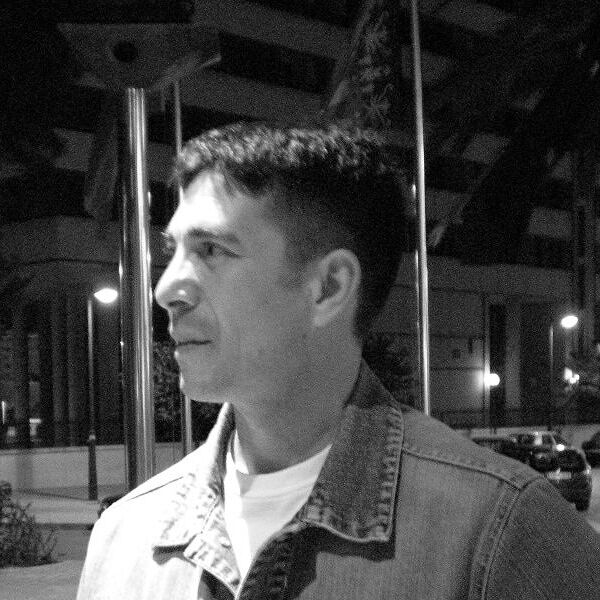
The Ghost of Highgate follows an IT Engineer in London who, while walking in a cemetery, meets the ghost of Karl Marx, who is trying to correct history about his philosophies. When you first sat down to write this story, did you know where you were going, or did the twists come as you were writing?
In my time, well I have to say since I shall soon be sixty, politics began in adolescence. At 13, I was convinced that capitalism didn’t work. However, I was also not convinced by the way in which the socialist alternative was proposed. They seemed like two sides of the same coin to me. When, at 18, I started reading Marx and not his followers, I began to realise that very little of his thought had remained in the practice of the so-called communist countries. At university, I had the opportunity to delve deeper into these aspects; the study of the philosophy of law opened up new perspectives for me. Marx was definitely different from how he was proposed by the doctrine of the socialist and communist parties. So, of course, I knew where I was going right from the start. I certainly don’t claim to update Marx’s thought. I have tried to highlight the salient points of his thought which, in my opinion, have been misunderstood. I did it with sarcasm and irony, because taking yourself seriously sounds presumptuous and because I like it. Nothing remains immutable, the gaze of historical flow is a great teaching of Marx. The concept of fixed and certain entities is a childish illusion and delusion, as all phenomena are inherently dynamic events subject to interpretation.
Human beings acquire their humanity through the social process. This is due to the inherent nature of humans as political and technical creatures. The primary means by which our humanity is expressed is through the use of our sophisticated language, which serves as our initial exosomatic tool.
Your story sets the stage for some humorous and entertaining scenes between Nob and Chucky. What was your favorite scene in this story?
Bringing a smile on someone’s face is serious business. In the end, we find humour in our own grotesque aspects. In my case, the joke is on me. I aimed to bring attention to the grotesque aspects of human interactions and subjectivity.
There is so much humour, irony, and sarcasm sprinkled throughout the entire story that I can’t possibly choose a favourite passage. With any luck, I was able to demonstrate how humour, like every other facet of culture, develops throughout time.
Basically, the funny situations and even the grotesque ones help highlight the contradictions and weaknesses of our society but also the light-hearted side. If you can’t laugh at yourself and take some criticism, you can’t see your own limits. And if you don’t know your limits you’re headed for disaster — the Greeks taught us that but we’ve gone and forgotten it dead quick.
What is the next book you are working on, and when will it be available?
Just saying, let’s see how this one fares first. I started writing poems and short stories when I was 14. I’ve always felt comfortable with that sort of writing. I don’t think I’m much of a novelist, to be honest. My previous attempt at a novel with a co-author was a complete shambles, and I felt utterly helpless compared to with this book.
Actually, I’m nearing the end of a tale about a bunch of crazy people who wander across space and time with no real direction. Maybe I’ll just devote myself to writing full time; I honestly haven’t got a clue.
Author Links: Goodreads | Website | Twitter | Amazon
When London IT Engineer Nob takes a Sunday stroll through Highgate Cemetery, he gets more than just fresh air and exercise. A chance encounter with the talkative spirit of a long-dead philosopher sets Nob off on a rollicking paranormal adventure.
Turns out that the supernatural philosopher is none other than Karl Marx himself, back to Earth as his life’s work was gravely misunderstood, and he aims to finally set the record straight. All he had been trying to show, he says, was a path for the liberation of everybody and not the hell that communist dictatorships turned out to be.
Though initially sceptical of his cemetery pal’s true identity, Nob warms to the academic challenge of helping translate complex ideas into everyday language.
Thus begins a comically bizarre partnership as Marx, nicknamed “Chucky” by the bewildered Nob, and his contemporary companion set off on a rollercoaster of uproarious escapades. From navigating the complexities of modern society to meeting the most typical characters of our time.
As the tale unfolds, Chucky takes it upon himself to clarify his vision of the world, using sharp wit, satire, humour, and self criticism to dissect our contemporary anxieties. In a crescendo of hilarity, the novel delves into pressing social themes of our time, all while inviting readers to join in the laughter.
Together, the pair just might make progress on their unorthodox quest – and remind society that wisdom often comes from the most peculiar places.



 LITERARY TITAN