Blog Archives
Values Based Organizations: Aligning Culture and Strategy
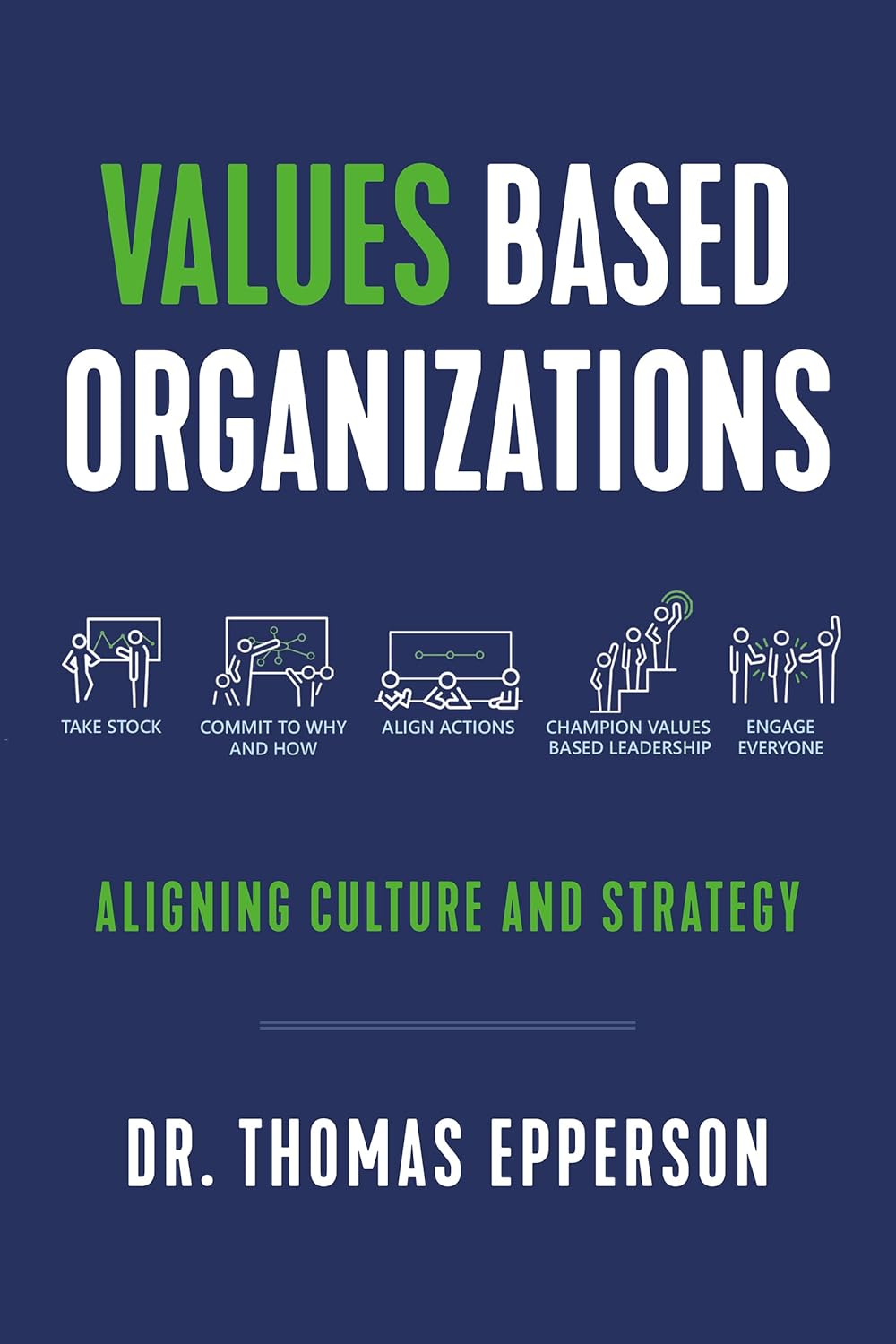

Values Based Organizations lays out a clear and practical roadmap for building organizations that actually live their values instead of just talking about them. It explains how culture, strategy, leadership, and processes can work together when they are aligned. The core idea rests on five practices: Take Stock, Commit to Why and How, Align Action, Champion Values-Based Leadership, and Engage Everyone. Throughout the book, author Dr. Thomas Epperson uses stories, interviews, and real examples to show how these practices play out in companies of all sizes. The narrative leans heavily on the transformation of Luck Companies and other organizations that chose to anchor their work in purpose and values.
I found myself reacting with a mix of curiosity and skepticism that often turned into appreciation. The writing comes across as honest and steady, almost like talking with someone who has seen the same mistakes happen over and over. I liked the plain language and the way the author admits that culture work is messy and sometimes painful. I felt the weight of those stories about organizations drifting or fighting themselves, and I caught myself nodding when he described leaders who avoid hard truths or cling to the wrong assumptions. The book made me think about my own reactions to change. I kept feeling a strange mix of discomfort and motivation, like someone tapping me on the shoulder saying, “Stop pretending you don’t see the problem.” That emotional push gave the ideas more power.
I also enjoyed the practicality of the examples. The section on Taking Stock made me laugh at the image of leaders scribbling complaints and then discovering that none of them had written “me” on the list. That moment says everything about the self-awareness required for real change. The parts about rediscovering a company’s history gave me a sense of warmth and even hope, because the idea that organizations can return to their roots instead of tearing everything down feels refreshing. Sometimes the book leans into repetition, and at moments I wished it would linger less on the obvious, but even then I understood why the reminders mattered. Culture work is slow, and people forget quickly.
The book isn’t flashy, but it is sincere, and it pushes you to think about organizations as living systems that need both care and discipline. I would recommend Values Based Organizations to leaders who want to shift their culture in a real and grounded way, and to teams that feel stuck or scattered. It would also be helpful for anyone stepping into a new leadership role who wants a straightforward guide to understanding how values can steer an organization.
Pages: 164 | ASIN : B0FTLLR57V

Team Spirit: The Power of Purposeful Gatherings
Team Spirit is a hands-on guide to designing and leading team gatherings that are intentional, energizing, and effective. Drawing on years of experience as a facilitator and coach, Antonia Milkop shares practical tools, personal stories, and easy-to-apply frameworks that help managers and facilitators rethink the way teams come together. The book introduces the “3 Ps”—Purpose, Planning, and Presence—as the key ingredients for successful gatherings. Milkop structures her book with engaging metaphors, real-world examples, and repeatable templates (“Cookie Cutters”) that readers can pick up and run with.
I didn’t expect a book about meetings—well, “gatherings,” as Antonia wisely reframes them—to feel this fresh. But it is. Milkop writes like she’s right there in the room with you, rolling up her sleeves, helping you figure out what’s not working and why. Her voice is both warm and firm—like a good facilitator should be—and her practical wisdom feels earned, not theoretical. I loved the way she leaned into real examples, from clunky Zoom calls to stalled leadership retreats. I found myself nodding (and laughing) more than once. The metaphors—yes, even the cooking ones—actually helped. It’s a smart way to talk about structure without sounding stuffy.
What really struck me, though, was how this book made me feel. Inspired, mostly. Seen, a bit. It gave me a sense of permission to take more care in how I design the moments my team shares. Milkop doesn’t just want you to run better meetings—she wants you to build better teams. Her emphasis on rhythm, intention, and emotional presence is something that resonated with me. She reminds us that team culture is created one conversation at a time. The simplicity of her methods is deceptive—this is deep work. And it matters.
I’d recommend Team Spirit to anyone who leads, supports, or shows up for a team. Whether you’re managing your first group of interns or facilitating strategy sessions for execs, there’s something in here that will shift your perspective—and give you the tools to make real changes.
Pages: 184 | ASIN : B0D89PL3CZ
Layered Leadership
Leadership is a decisive factor in any venture’s success or failure, and Lawrence R. Armstrong’s Layered Leadership serves as a compelling guide for leaders, entrepreneurs, and professionals aiming to refine their leadership skills and grow their businesses. The book lays out the core elements of effective leadership in a structured, multi-dimensional format that reflects its title. Divided into three parts—”The Foundation,” “Develop a Vision, Build a Plan,” and “Strategic Growth”—each section thoughtfully builds upon the last, providing a comprehensive framework for leadership development.
Armstrong begins by emphasizing the importance of self-awareness, balance, and visionary thinking in the first section. Through historical examples and case studies, he illustrates essential leadership traits like decisiveness and empowerment. The second part shifts focus to the creation of a vision and the development of strategic plans, offering practical, actionable steps to outline long-term objectives and implement effective strategies. In the final section, Armstrong delves into growth strategies, exploring key topics such as fostering a positive company culture and identifying “blue ocean” opportunities. His approach to scaling a business through organic growth, nurturing internal talent, and thoughtful expansion is especially beneficial for leaders seeking sustainable growth while maintaining team cohesion.
The conversational tone Armstrong employs throughout the book makes it not only accessible but also highly engaging. His writing is clear, direct, and enriched with anecdotes and personal stories, bringing leadership lessons to life in relatable ways. This personal touch allows readers to easily connect leadership principles with real-world applications, making the material feel practical and relevant. His jargon-free explanations of complex topics such as strategic planning and leadership development further enhance the book’s appeal, ensuring that readers of all backgrounds can grasp the concepts with ease.
Each chapter ends with reflective questions and exercises, encouraging readers to actively engage with the material. His introduction of the “Creative Sketchbook” as a tool for personal leadership exploration adds another interactive layer, prompting leaders to regularly assess their skills and identify areas for growth. This hands-on approach transforms the book from a passive reading experience into an interactive leadership manual.
Layered Leadership is more than just a business guide; it’s a source of valuable life lessons. Armstrong’s engaging storytelling, insightful ideas, and practical advice make it an essential read for both seasoned executives and emerging leaders alike. With its blend of personal narrative and actionable strategies, this book delivers a rich, thought-provoking experience that will leave a lasting impact on anyone looking to lead with intention and vision.
Pages: 272 | ASIN : B0D3Y12TG2



 LITERARY TITAN