Blog Archives
Nurse Dorothea® presents Mindfulness Based Stress Reduction and Why Mindfulness is a Key Coping Skill
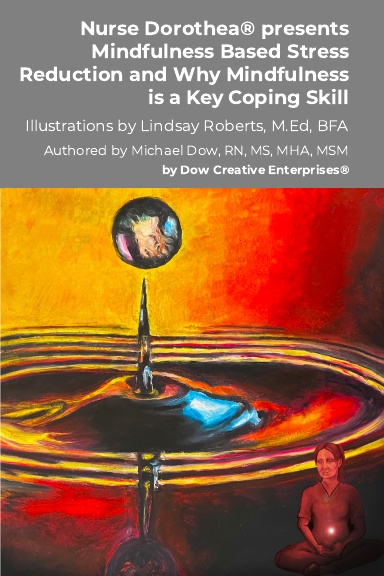

Nurse Dorothea Presents Mindfulness-Based Stress Reduction and Why Mindfulness Is a Key Coping Skill by Michael Dow is a warm, inviting introduction to mindfulness presented through a fictional after-school class. Nurse Dorothea guides readers through the basics of mental health, the meaning of mindfulness, and the many ways it can improve daily life. The book mixes friendly explanations, real research, and simple activities while also covering Jon Kabat-Zinn’s nine pillars of mindfulness and the three main practices: meditation, body scanning, and mindful yoga. It’s an easygoing, approachable read meant for people of all ages.
The book opens with Dorothea reminding the class that every person is one life event away from facing a mental health challenge, which felt honest and grounding. Throughout the early chapters, she repeats gentle reminders to be patient and nonjudgmental with yourself, and I found those small, warm nudges surprisingly comforting. The writing avoids heavy language and instead feels like someone sitting beside you, calmly talking you through your own thoughts.
I also really enjoyed the student comments woven throughout the book. They make the lessons feel alive and relatable. One student mentions that mindfulness while driving helps keep you safe, and another talks about how multitasking can pull you away from the moment. These small interactions add humor and humanity to the material. They break up the teaching in a way that makes the book feel more like a real class than a traditional self-help guide.
The seated meditation instructions are clear and easy to follow, and the emphasis on letting your mind wander without judgment made me feel oddly relieved. The body scan exercise is explained in a simple, calm voice that made me want to try it right away. Even the yoga section feels approachable, especially when the author reassures readers not to judge themselves if they wobble or fall. That moment actually made me smile because it felt so human.
The book is gentle, sincere, and wonderfully beginner-friendly. I’d recommend it to teens, parents, teachers, or anyone who wants a simple and encouraging introduction to mindfulness. If you’re looking for a book that feels like a calm, supportive voice guiding you through stress and distraction, this one fits the bill perfectly.
Pages: 179 | ISBN : 978-1-968690-01-4

Nurse Dorothea® presents Healthy Relationships
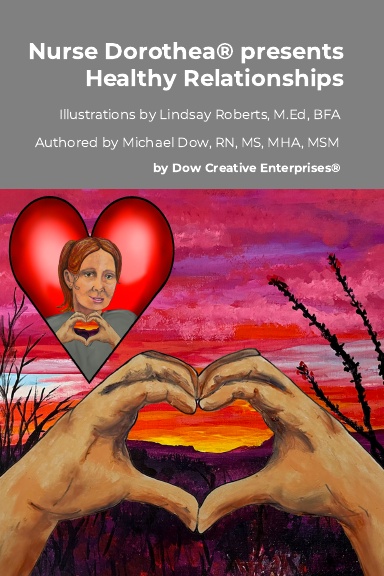
Healthy Relationships presents a thoughtful and approachable exploration of what helps relationships thrive. The book is framed as a guided workshop led by Nurse Dorothea, who walks readers through the core ingredients of healthy connection, communication, boundaries, empathy, responsibility, and self-awareness. Although the tone is gentle and accessible, the book is wide in scope, touching on friendships, family ties, romantic partnerships, and online relationships. Its structure blends direct instruction, reflective prompts, and short personal stories in a way that encourages readers to slow down and consider how they relate to others.
The classroom-style format works particularly well. Early in the book, readers are invited to pause, write, and reflect, which creates a sense of active participation. Simple metaphors, like caring for relationships as one would tend a garden, and the recurring reminders that everyone faces challenges, offer a steady, grounding presence throughout the text. At times, the tone can feel overly earnest, but that sincerity reinforces the author’s intention: to encourage readers to approach their relationships with clarity and kindness.
The many student stories woven into the book add depth and texture. Accounts from individuals describing supportive parents, patient partners, meaningful friendships, or online connections create an authentic emotional thread. These examples are used to highlight specific principles such as trust, cooperation, and mutual respect, and they break up the instructional sections in a way that feels natural. The book does not shy away from discussing difficult dynamics either. Its explanations of imbalance, dishonesty, control, and disrespect are concise and direct, making the warnings easy to understand without sensationalism.
The section on meaningful apologies stands out for its emphasis on responsibility and repair rather than defensiveness. Later discussions on reconnecting with others and choosing high-quality relationships are practical and encouraging. The message is consistent and clear: healthy relationships are intentional, vulnerable, and sustained through ongoing care.
Nurse Dorothea® presents Healthy Relationships offers a steady, compassionate guide for readers of all ages. It would be especially valuable for educators, counselors, families, and anyone seeking a straightforward framework for understanding relational well-being. Its warmth, clarity, and practicality make it a supportive companion for those hoping to build stronger and more thoughtful connections.
Pages: 239 | ISBN : 978-1-968690-00-7
Nurse Florence®, What are Memory B Cells?

Nurse Florence®, What Are Memory B Cells? is a warm and easygoing picture book that follows three curious girls, Jean, Condi, and Sonia, as they join Nurse Florence in the cafeteria to learn what memory B cells are and why they matter. The story blends kid-friendly dialogue with simple explanations, showing where these cells come from, how they help the immune system remember past invaders, and how healthy habits keep the body strong. It feels like a gentle science lesson tucked inside a casual lunchtime chat.
The girls wander over to Nurse Florence with the kind of natural excitement you’d see in a real school cafeteria, and that relaxed tone carries through the whole story. The explanations build step by step, first what B cells look like, then that they’re made in bone marrow, then how they “remember” infections and transform into plasma cells when needed. The pacing is slow enough for kids to follow but fast enough that it never drags. It reminded me of a friendly teacher who always knows when to pause and when to move on.
I also appreciated how the book doesn’t shy away from big ideas. The parts about abnormal B cells leading to autoimmune issues or cancers are handled simply and calmly, making the information clear without being frightening. It’s refreshing to see a children’s book trust young readers with real science instead of watering everything down. The drawings help too, they give the concepts a visual anchor without overwhelming the pages.
My favorite section comes near the end, when the girls start brainstorming ways to keep the immune system healthy. They take turns suggesting things like eating fruits and veggies, exercising, sleeping well, washing hands, managing stress, avoiding smoking or vaping, and staying up-to-date on vaccines. It feels lively and almost playful, like a little health pep talk disguised as a conversation between friends. It also helps kids connect the science to their real lives, which gives the book a nice sense of purpose.
Nurse Florence®, What Are Memory B Cells? is a warm, engaging introduction to immune science. I’d recommend it to kids who enjoy learning how the body works, to parents who want clear and friendly explanations, and to teachers looking for accessible science material. It’s upbeat, informative, and surprisingly charming, a great pick for sparking curiosity.
Page: 72 | ISBN : 1300914262

Nurse Florence®, What is Plasma?
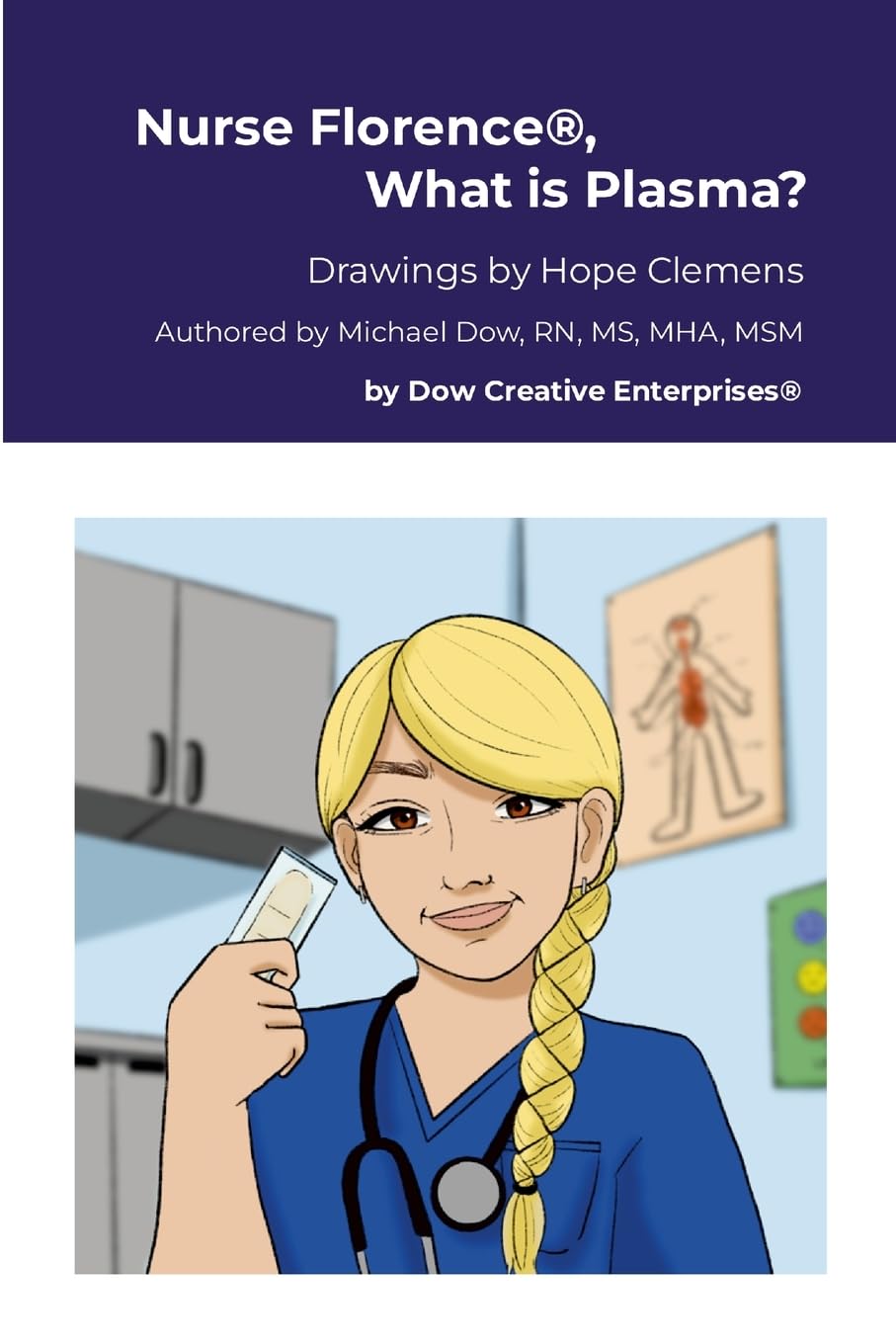
Nurse Florence®, What is Plasma? offers a clear and engaging introduction to one of the body’s most essential components. The book follows three students, Jean, Condi, and Sonia, who meet with Nurse Florence during lunch and ask her how the body transports things through the blood. From there, the book presents a structured overview of plasma: its proportion within blood, its proteins and electrolytes, and its roles in immunity, hydration, nutrient distribution, and waste removal. The narrative is concise, accessible, and grounded firmly in basic health science.
One of the strengths of the book lies in its ability to introduce complex ideas without overwhelming young readers. When Nurse Florence points out that plasma makes up 55% of blood and shows an image of the yellow plasma layer above the white and red blood cells, the explanation is both simple and accurate. Similarly, the description of albumin as a protein that transports various substances, including medications, manages to convey the concept effectively without unnecessary technical language. These moments demonstrate a thoughtful balance between scientific precision and readability.
I also appreciated the book’s straightforward approach to explaining plasma’s functions. Descriptions of how plasma carries electrolytes, regulates pH, moves hormones, and distributes nutrients are presented in short, direct statements that build well on one another. Even the discussion of health concerns, such as bruising, bone pain, irregular heartbeat, and immune weakness, feels measured. The book acknowledges potential symptoms of plasma-related issues without creating fear, presenting them instead as part of a broader understanding of how the body maintains balance.
The practical guidance provided near the end reinforces the educational value of the book. Reminders to drink adequate water, eat a balanced diet, exercise, and practice proper hand hygiene are framed as sensible ways to support overall health. The story closes with the girls reflecting on what they learned, emphasizing the theme of continuous curiosity and encouraging readers to think more deeply about how their bodies work.
Nurse Florence®, What is Plasma? is a well-crafted resource for children, educators, and parents seeking a gentle introduction to human biology. It combines approachable storytelling with reliable scientific information, making it especially suitable for young readers who show an early interest in science or health. The book succeeds in presenting plasma not as an abstract concept, but as an active and vital part of daily life, and it does so with clarity, intention, and an encouraging tone.
Pages: 69 | ISBN: 1300913959
Nurse Florence®, Tell Me About the Skin.

Nurse Florence®, Tell Me About the Skin offers a delightful addition to a series designed to spark children’s curiosity about health and self-care. Michael Dow authors the text, with vivid illustrations by Madrid Rosario. The tone stays warm and welcoming throughout, inviting young readers into the basics of skin health.
The book opens with three eager students comparing human skin to Earth’s ozone layer. The analogy lands immediately and turns a complex idea into something friendly and approachable. Nurse Florence steps in as a calm, encouraging guide. Her explanations flow clearly and suit early readers well. Short scenes, straightforward dialogue, and familiar interactions make the material ideal for children ages 6–9. Biology feels less like a lesson and more like a natural part of the story.
Skin appears as the body’s largest organ, presented with clarity and helpful visual support. The three primary layers receive simple yet accurate descriptions. Common concerns, bug bites, allergies, stress-related flare-ups, enter the conversation, along with practical tips on hygiene, moisturizing, and sun safety. A glossary of dermatological terms and end-of-book reflection questions help solidify understanding and encourage deeper thinking.
A dedication to Florence Nightingale and Dr. Jean Watson anchors the book in compassion. Themes of hygiene, safety, empathy, and caring relationships gain added depth through their influence. Some scientific terms may feel ambitious for the youngest readers, yet the intention is clear: build confidence in early STEM learners.
The illustrations burst with personality. The characters’ subtle asymmetry gives the art a warm, lived-in feel. Nurse Florence moves with lively energy across the pages, and the playful layouts draw attention to expressive faces and dynamic gestures.
Nurse Florence®, Tell Me About the Skin encourages children to value and care for their bodies with gentle reassurance. Its narrative promotes healthy habits without overwhelming young readers.
Pages: 70 | ISBN: 130091422X
Nurse Florence®, How Bad are Health Problems from Agent Orange?

Nurse Florence®, How Bad are Health Problems from Agent Orange? by Michael Dow is an outstanding and remarkably effective introduction to a difficult chapter of medical and military history. The book follows Jean, Condi, and Sonia as they sit down with Nurse Florence in their school cafeteria, seeking to understand the health issues affecting Jean’s uncle after his service in Vietnam. What begins as a simple lunchtime conversation becomes a clear, thoughtful, and deeply informative overview of Agent Orange, its use during the war, and the extensive long-term illnesses associated with exposure.
One of the book’s greatest strengths is its ability to handle a heavy subject with clarity, calmness, and compassion. The narrative structure, anchoring complex information within a child’s question, allows the material to unfold naturally. When Nurse Florence explains how soldiers came into contact with chemical-coated vegetation, the understated description makes the reality even more powerful. The book never resorts to dramatization; instead, it relies on plain, direct language that honors both the historical truth and the people harmed by it.
The detailed list of presumptive illnesses is especially notable. Conditions such as bladder cancer, chloracne, Hodgkin’s disease, and ischemic heart disease are introduced with concise explanations that strike a rare balance: scientifically accurate yet easily understood. The breadth of information is impressive, and although the format is systematic, the cumulative effect is striking and reinforces the gravity of Agent Orange’s legacy. The author’s careful wording ensures the content remains accessible without diminishing its emotional impact.
Equally memorable are the reflections from the three girls at the end of the story. Their brief but sincere comments about the cost of war and the value of peace provide a graceful conclusion that ties the factual content back to human experience. These moments offer warmth and perspective, reminding readers of all ages why understanding history and health matters.
Nurse Florence®, How Bad are Health Problems from Agent Orange? is an ideal resource for families, classrooms, and anyone seeking a clear, compassionate explanation of Agent Orange and its long-term consequences. Its thoughtful tone, well-organized information, and respectful handling of sensitive material make it a standout in children’s educational nonfiction. I highly recommend it to readers of all ages who want an introduction that is both informative and genuinely moving.
Pages: 92 | ASIN: 1300911409
Nurse Florence®, What is Acne?

Nurse Florence®, What is Acne?, written by Michael Dow and illustrated by Jacqueline Alvarez, delivers an impressive blend of education and entertainment for elementary-age readers. The narrative follows three friends, Jean, Condi, and Sonia, whose casual lunchtime chat in the school cafeteria quickly transforms into an unexpectedly engaging lesson with Nurse Florence. What begins as a simple question about pimples unfolds into a lively exploration of a subject nearly all tweens and teens will face: acne.
Nurse Florence guides the trio through the biology of acne with clarity and charm. Her explanations are supported by bright, easy-to-follow diagrams and introduce young readers to clogged follicles, active oil glands, and the full range of acne types, from common whiteheads and blackheads to deeper nodules and cystic breakouts. The tone remains friendly and inviting, yet every detail is anchored in scientific accuracy, making the material both digestible and meaningful.
Acne is more than a skin condition; it can deeply influence self-esteem. This story treats the subject with empathy, helping children understand not only what acne is, but why it happens. Dow’s extensive background in nursing and health sciences shines throughout the text, grounding the information in real expertise. The vocabulary remains accessible for young audiences while still introducing essential scientific terms, encouraging early confidence with health-related language. The illustrations further enhance comprehension by visualizing inflammation, oil production, and bacterial activity.
The book does not stop at basic definitions. It moves deeper, highlighting root causes, clearing up persistent myths, outlining environmental triggers, and exploring treatment options, everything from simple skincare routines to more advanced dermatological care. With its glossary, references, and reflective journal pages, the book becomes a resource children can revisit as they grow and learn. Focusing on elementary readers is a strategic and commendable choice; building health literacy early fosters curiosity, confidence, and lifelong self-care habits.
Nurse Florence®, What is Acne? is a valuable educational tool that informs, reassures, and empowers. I highly recommend this book for any child’s home or school library. Blending science with compassion, it offers young readers a clearer, kinder understanding of their own bodies, and that is truly impactful.
Pages: 158 | ISBN: 1300875577
Nurse Florence®, What are Eosinophils?
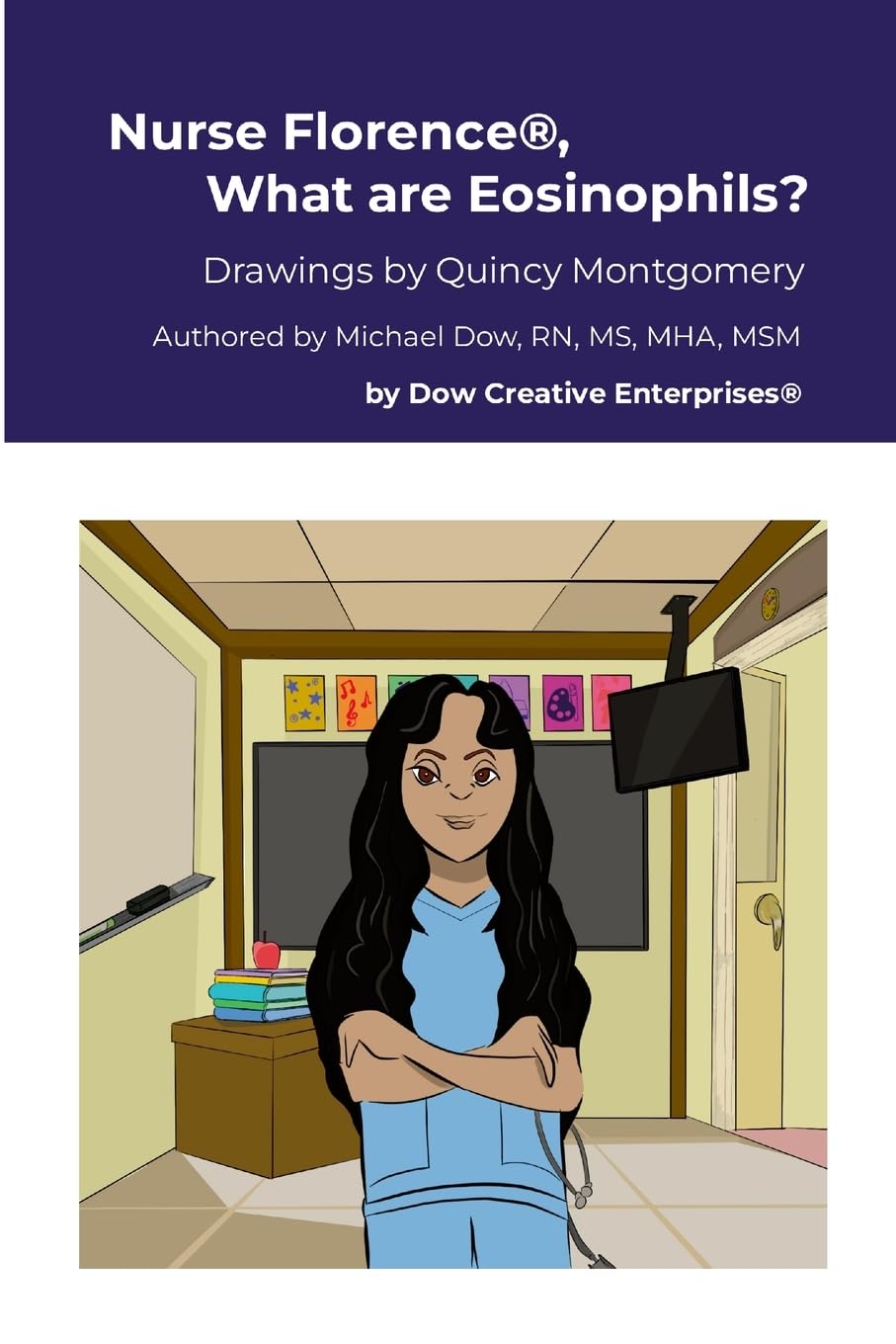
Nurse Florence®, What Are Eosinophils? offers a clear and approachable explanation of a complex part of the immune system through a simple narrative involving three students and Nurse Florence. The book introduces eosinophils, explains where they originate, how they function, and what happens when their levels become too high or too low. The structure is straightforward, and the illustrations support the scientific concepts without overwhelming young readers.
One aspect I appreciated was Michael Dow’s ability to present advanced vocabulary in a way that respects a child’s capacity to understand. When Nurse Florence describes eosinophils as white blood cells with a “two-lobed nucleus” and “granules” containing toxic proteins, the explanation is concise yet accurate. The book manages to treat its audience seriously while still maintaining accessibility, and I found that balance effective.
I also found the discussion of health conditions linked to eosinophil levels to be handled with notable care. The sections describing Cushing’s syndrome, sepsis, or inflammation of the lungs and digestive tract avoid sensationalism, focusing instead on clarity and factual grounding. For example, the explanation of how eosinophils respond to allergens and may contribute to asthma is direct but reassuring. This approach helps young readers and the adults guiding them engage with medical information without feeling alarmed.
Another strong element of the book is its emphasis on practical habits. Nurse Florence’s advice on avoiding allergens, maintaining good hygiene, limiting alcohol, and preparing food safely demonstrates the author’s commitment to tying scientific understanding to everyday actions. These suggestions are simple, but they reinforce the idea that personal choices can support the body’s natural defenses. I found this integration of science and daily behavior thoughtful and well-placed within the narrative.
Nurse Florence®, What are Eosinophils? would be well suited for elementary-aged readers with an interest in how the body works, as well as educators and parents seeking reliable, age-appropriate introductions to medical concepts. It offers clear explanations, steady pacing, and information presented with respect for young learners’ curiosity. Readers who enjoy science-themed picture books or who are beginning to explore topics in human biology would find it especially beneficial.
Pages: 68 | ASIN: 1300913924



 LITERARY TITAN