Blog Archives
Back Into Delight: Grief Recovery at the Speed of Life


Back Into Delight is a grief recovery book that blends memoir and self-help, following Paul O’Neill as he recounts the losses of his brother and later his son, and the slow work of teaching a shocked, frozen body how to move again. The book moves through the warping force of bereavement, the paralysis of shutdown, and the tools that help coax a person back toward breath, connection, and, eventually, delight. O’Neill shares stories, somatic techniques, and moments of dark humor to show how grief can bend a life but does not have to break it. It’s part personal narrative, part practical guide, all oriented toward finding motion in the aftermath of loss.
O’Neill writes with a mix of clarity and lived authority that made me lean in. He doesn’t romanticize grief. He doesn’t turn it into a neat psychological model. He just walks me through the reality of it, page by page. His descriptions of shutdown hit especially hard: the body going still, breath thinning out, thoughts getting muffled. I recognised that feeling. And I appreciated how he roots his methods in the physical, not the abstract. There is something grounding about watching him refuse to let grief stay purely conceptual. Breath, posture, voice, humor. These are small, almost embarrassingly simple interventions, but he shows how they become anchors.
I was surprised by how often I smiled. His tone shifts in a way that feels inviting. One moment he’s describing the unbearable silence of losing his son, and the next he’s talking about noodle-breaths or Stretch Armstrong or telling himself he’s not Humpty Dumpty. The humour doesn’t soften the pain so much as make space inside it. It lets the ideas land in a real, lived way. And when he brings in the tools of trance, voice modulation, and emotional repatterning, he does it without jargon. It’s practical. Warm. Sometimes blunt. Sometimes tender. The kind of writing that feels like someone reaching across the table to say, “Try this. It helped me.”
By the end, I felt steadier. Not because the book offers solutions, but because it treats healing as a practice. Grief recovery, in O’Neill’s world, isn’t a miracle. It’s a muscle. It’s a series of cues that teach the body it is safe enough to return. This is where the book’s genre really shines: it lives at the intersection of memoir and self-help, and that blend makes the guidance feel earned.
If you want a companion for the messy middle of loss, someone speaking plainly and offering tools that actually feel usable, then I’d recommend it wholeheartedly. This book is especially for readers who feel frozen in their grief, who need something gentle but not vague, and who are open to a mix of story, science, and the smallest sparks of humour cutting through the dark.
Pages: 108 | ASIN : B0F92GTHSP

Letters to a Young Teacher: Wisdom for Those Who Guide Others
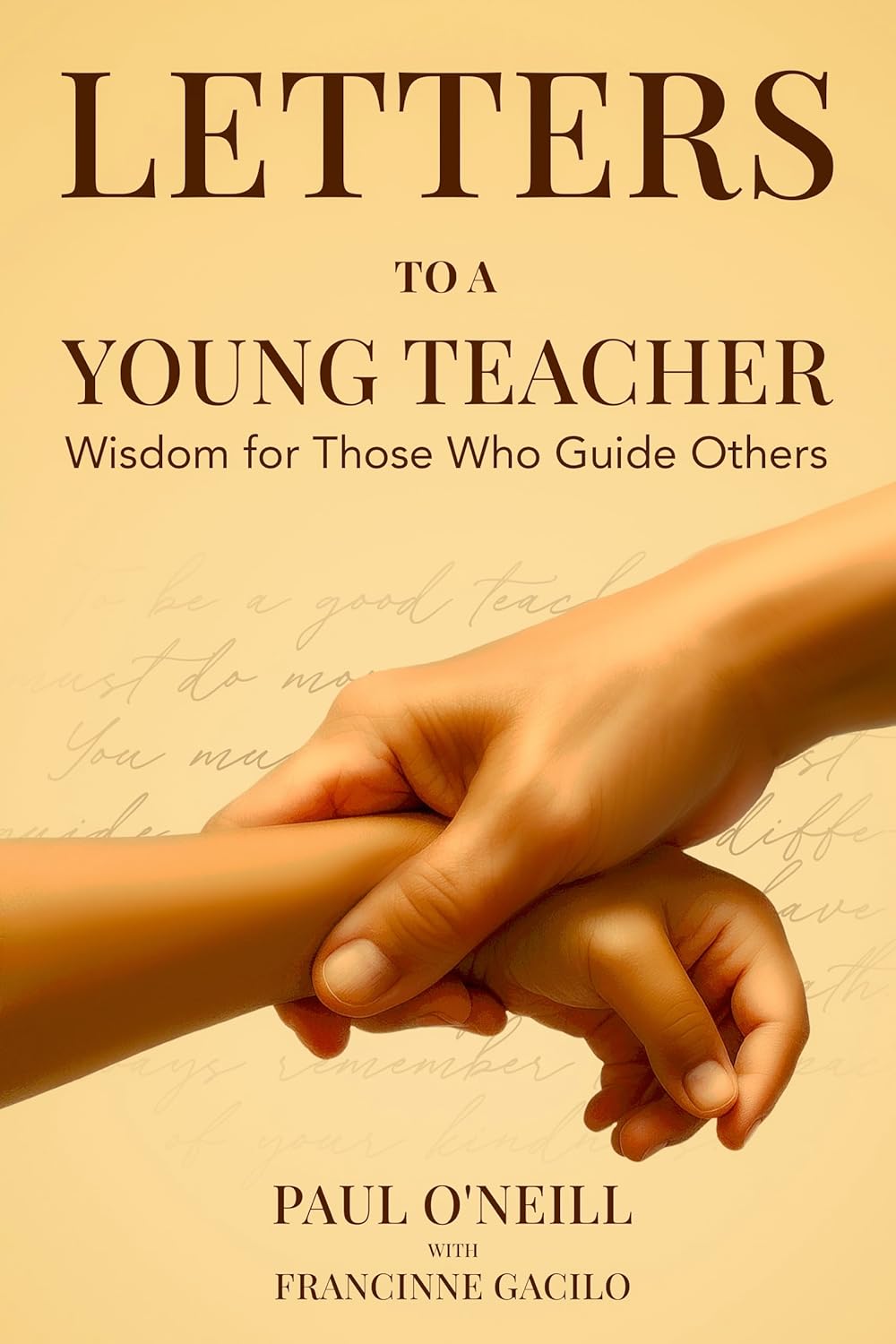
Letters to a Young Teacher is a heartfelt and introspective exchange between two voices. One seasoned, one still learning. The book unfolds as a collection of letters that feel intimate yet universal, tackling the quiet battles teachers and caretakers face while guiding others. It isn’t just about education in the formal sense. It’s about emotional endurance, vulnerability, and the messy process of becoming someone who leads without losing themselves. Through tender honesty and sharp wit, the authors build a bridge between exhaustion and renewal, inviting readers to sit in their own discomfort and find grace in the act of staying.
What struck me most was how relatable it all felt. O’Neill’s voice has this rare balance of humor and rawness, while Gacilo’s letters glow with warmth and courage. Together, they create a rhythm that feels alive, like listening to two souls learning how to breathe again after too many years of holding it in. The lessons aren’t wrapped up neatly. There’s no false optimism. Instead, they offer a kind of tired hope, the kind you earn by showing up even when you’d rather disappear. I found myself nodding, wincing, and sometimes laughing at how painfully familiar the words were. The prose dances between lyrical and plainspoken, and that tension gives it power, it’s equal parts poetry and therapy.
The reflections on resilience, stillness, and the cost of always being “okay” hit like soft blows. There’s a steady reminder throughout that strength isn’t stoicism, and love isn’t theory, it’s practice. The authors don’t preach. They confess. And that makes the wisdom feel earned, not borrowed. I found myself pausing after nearly every chapter just to think. The book has that rare ability to make silence feel full, to make vulnerability feel safe.
I’d recommend Letters to a Young Teacher to anyone who’s ever tried to hold everything together for too long, teachers, caregivers, leaders, and anyone who quietly carries others while forgetting themselves. It’s a companion for the weary, the self-doubting, the ones who keep showing up even when their hearts are heavy.
Pages: 168 | ASIN : B0FH688BJK



 LITERARY TITAN