Blog Archives
The Green Wave
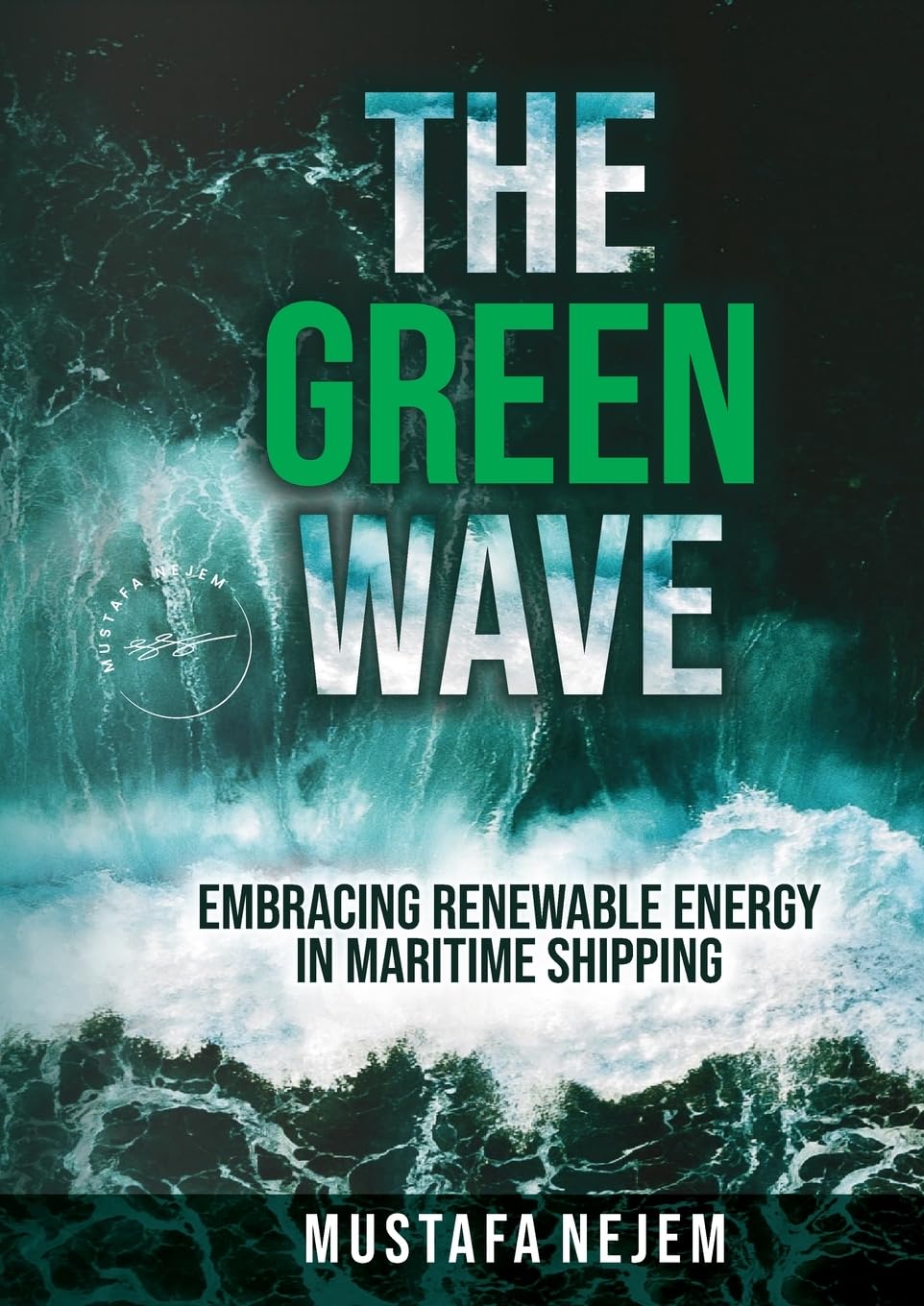

The Green Wave takes on a big subject with even bigger stakes: how the shipping industry, a cornerstone of global trade, can move away from fossil fuels and embrace renewable energy. The book is structured as a wide-ranging tour through history, technology, economics, regulation, and future trends. It covers the evolution of ships from wooden rafts to today’s steel giants, then dives into renewable energy sources like solar, wind, hydrogen, and biofuels. It discusses technological breakthroughs in clean propulsion, ship design, and retrofitting. It also highlights the financial realities of sustainability, the importance of regulation, and case studies of companies already making the leap. In its closing chapters, it looks forward to global collaboration, workforce training, and how public perception will push the industry toward greener horizons.
The research is thorough, and the ideas are hopeful. The writing leans on big metaphors and detailed passages that can feel dense if you’re not steeped in the subject. The author works hard to cover every angle, which gives the book an encyclopedic feel. I found myself drawn in by the case studies like retrofitted cruise ships and tankers switching to LNG or rotor sails, and those concrete examples carried more emotional weight than the broader discussions of efficiency or emissions. The author’s care for the subject is evident, and that urgency shines through in ways that are often inspiring.
I think the strongest parts are where the book shows the human side of the industry. When it talks about shipbuilders experimenting with new materials or port operators installing charging stations, the story feels alive and relatable. I did come away with a better grasp of the real options on the table. It made me hopeful that change is possible if industry leaders, governments, and consumers push in the same direction.
I’d recommend The Green Wave to readers who want a detailed, almost textbook-level overview of green shipping, but also to anyone who enjoys seeing how technology and human ambition collide with global challenges. It’s not a breezy read, but it’s a meaningful one. Policymakers, environmental advocates, and business leaders will probably get the most out of it. For casual readers curious about clean energy, it may feel overwhelming, though still worthwhile if you stick with it.
Pages: 348 | ASIN : B0CPKDBWSB

Abiding Promise of Equal Rights
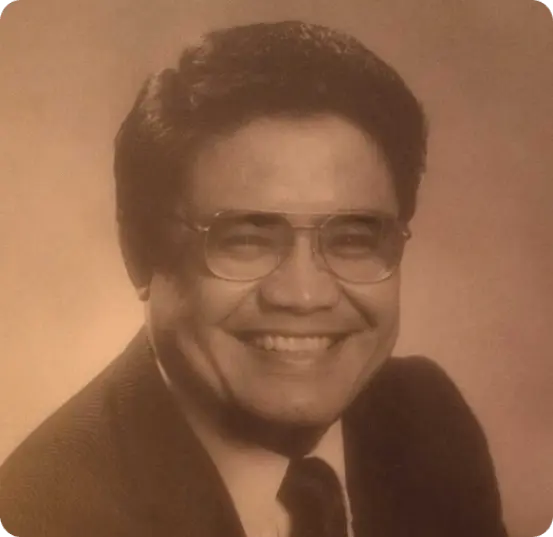
Revolt Against the K-12 Status Quo is a potent and meticulously researched critique of the systemic inequities in the U.S. public school system, particularly regarding the stark discrepancies in educational funding across different states. Why was this an important book for you to write?
Forgive me, but I have a long-winded answer. There are several reasons why it was important for me to write the Revolt Against the K-12 Status Quo.
I am, by disposition, repelled by injustice and have sworn hostility against injustice –especially government-sponsored injustice exemplified by the decades-long vast disparities in K-12 education funding & spending among the 50 states and the District of Columbia.
How can it be constitutionally acceptable in these ‘United’ States of America for Idaho, the lowest among the states, to have a per-pupil funding of $9,802, a measly 31.41%, not even a third, of the $31,205 per-pupil funding for the District of Columbia? Where in the US Constitution does it say that your youngster attending a public K-12 school would have to suffer—by accident of geography—from the deleterious impact of less-than-equal funding per pupil?
The idealist in me has long wondered why this all-important, consequential issue has slipped under the radar screens of education advocacy groups and/or civil rights organization; not one of them has raised a fuss and railed against the inequity, the injustice of unequal K-12 funding/spending per pupil.
As a super fan of American democracy, I am a true believer in America’s abiding promise of equal rights and opportunities for all. That said, and the staggering disparities that have bedeviled the current K-12 funding system, in my view, violate the letter and spirit of the EQUAL PROTECTION CLAUSE of the Fourteenth Amendment;
I wrote this book to serve as a wake-up call for the relevant policy-makers, elected and appointed, to engage in a national discourse that might lead to a re-examination of the sustainability of the long-standing policy that says K-12 education is merely a federal interest.
If the resulting conversations triggered by this book effectively helped to launch bona fide efforts to begin to mitigate–if not entirely eradicate–the unequal educational opportunities for young boys and girls across the nation…such a scenario could spell the start of inexorable progress toward equality for all in the educational arena. If, as a grateful immigrant, you have always wanted to make a difference–no matter how modest that difference might be–could you imagine a more consequential, a more satisfying, offering at the altar of American democracy?
What were some ideas that were important for you to share in this book?
A local responsibility, a state function, and merely a federal interest: this three-legged structure of the K-12 education system has produced vast disparities which are unjust as they are inequitable, by way of funding and spending disparities–appalling disparities with serious constitutional implications, chief among them the EQUAL PROTECTION CLAUSE of the Fourteenth Amendment.
Where does the blame lie? The American people’s inattentive embrace of the problematic policy–which says K-12 education is merely a federal interest–and the deafening silence on the part of education advocacy groups and civil rights organizations have allowed the vast disparities among the 50 states to fester for far too long.
The questions are: In a country which proclaims equal rights and equal opportunities for all, why have the educational opportunities of young boys and girls in the bottom low-funded states, been effectively snubbed, demeaned, and degraded – by the affliction of an unequal K-12 funding system? When will America’s young boys and girls in the low-funded states stop getting the short end of the stick, time and time again?
The American people’s inattentive embrace of the problematic policy which says education is merely a federal interest, must end. It’s time for a ‘revolt against the patently inequitable K-12 funding/spending status quo.
How much research did you undertake for this book, and how much time did it take to put it all together?
The basic research for the statistical and historical data contained in this book took me four months, with help from a Manila-based virtual assistant who worked with me a full three months. Looking back, I think I went overboard and put on my CPA-auditor hat by vetting and cross-checking the validity/accuracy of the statistical data by consulting other sources. But a big chunk of the research data –data related to student outcomes/standardized test scores–ended up in the waste basket. Although test scores were arguably somehow germane to the book’s thesis, I decided to keep the book’s focus on purely funding & spending levels.
What is one thing that you hope readers take away from Revolt Against the K-12 Status Quo?
It’s long past time for a ‘revolt’ against the inequitable K-12 funding status quo via a federal EQUALITY IN EDUCATION ACT. The sooner it happens, the better it will be for American democracy.
Author Links: Website | Amazon
In this book, you will find the gap between the top-funding/spending states and the low-funding/spending states to be as wide as the Grand Canyon. This book describes the inequity as appalling, astonishing, incomprehensible, mystifying, outrageous, and unbelievable. The book’s thesis: Society’s inattentive embrace of the problematic policy which says education is merely a federal interest must end. It’s time for a ‘revolt against the K-12 status quo. It’s time for a federal EQUALITY IN EDUCATION ACT to codify the Equal Protection Clause of the Fourteenth Amendment. The sooner it happens, the better it will be for American democracy. EQUALITY IN EDUCATION can get America on the road to a more perfect union.



 LITERARY TITAN