Blog Archives
Inside the Walls
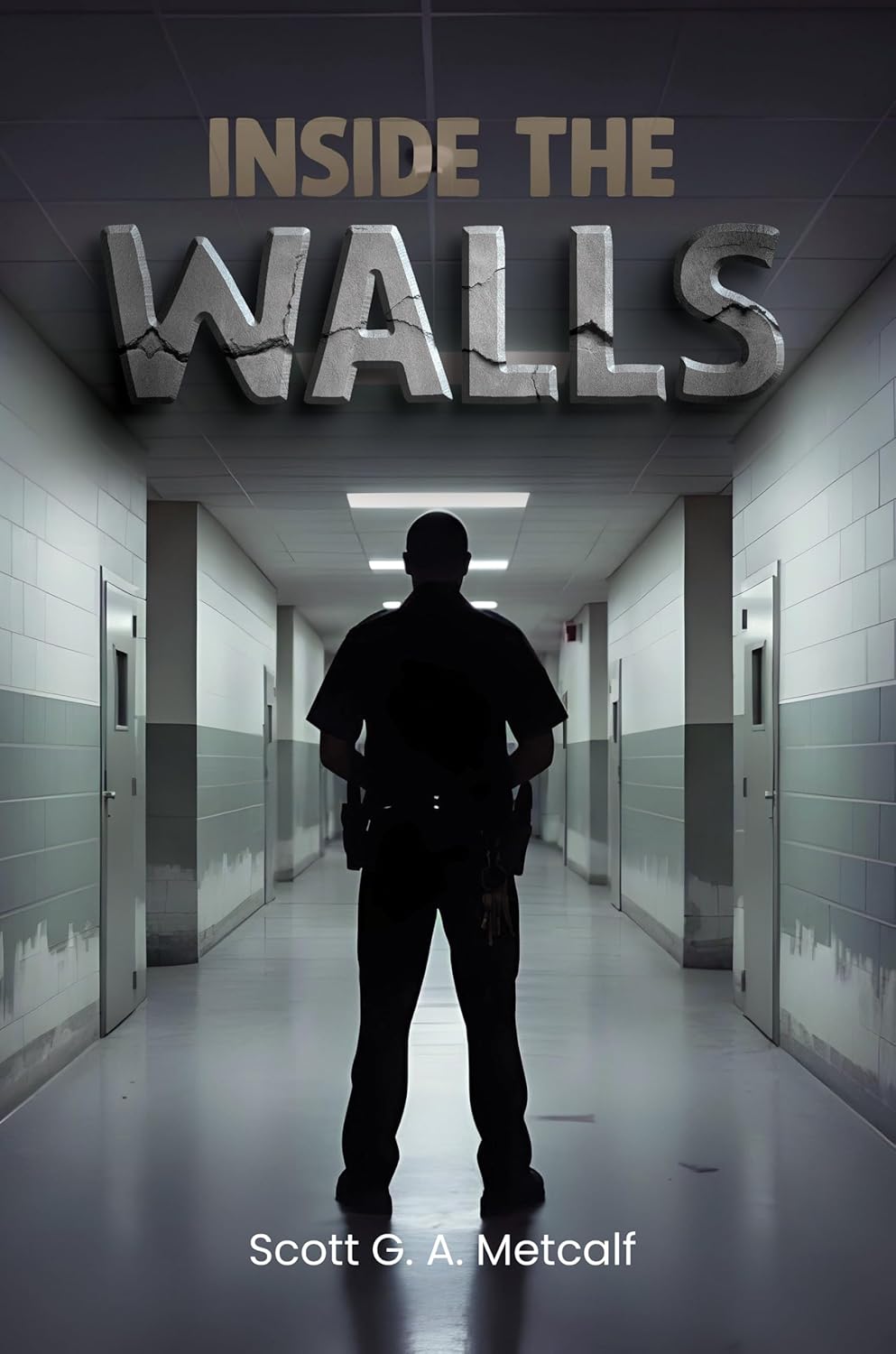

Inside The Walls by Scott G. A. Metcalf is a first-person memoir of life as a correctional officer, from a wide-eyed rookie walking into “The Steel Welcome” in 1991 to a worn but reflective veteran finally stepping back through the gate for good. Scott G. A. Metcalf walks through the full arc of that career. He takes the reader from the sensory shock of the first day, through the slow building of trust between officers, the games and dangers in the inmate population, the quiet wars with management, the absurdities of policy, the dark humor that keeps people sane, and the lasting psychological scars that follow him out to civilian life. The later chapters and back matter broaden the story with timelines, definitions, and statistics that frame his memories inside the bigger picture of modern corrections.
The book really grabbed me. The prose is vivid and rich with sensory detail. I could almost smell the disinfectant, the sweat, the tobacco, the institutional food, all layered together until the place felt alive in a sick way. The opening chapter in particular is emotionally stirring. The air, the clang of steel, the first encounter with Miller and his three rules. I felt my shoulders tense as I read. Metcalf leans into metaphor and repetition. That excess matches the environment he’s describing. Prison is not subtle. The pacing feels deliberate. Long, dense passages where he unpacks a corridor or a shift in painful detail, then quick scenes that come and go before you can breathe.
I liked how the book keeps circling back to trust, fear, and humanity, both for staff and inmates. The hierarchy among officers, the way reputations are built one small action at a time, the unspoken pact to back each other up, all felt painfully real. I also appreciated that he does not turn the inmates into monsters or saints. He shows lifers folding blankets, young guys fronting with tattoos, manipulators working angles, and he keeps saying, in his own way, that they are still people. His reflections on the prison as a micro-version of society hit hard. The book is angry at the system but not cheap or preachy. I did feel that his outlook is pretty bleak in places, and I wanted to see programs that worked, or see examples of change beyond the individual level. Still, that frustration is part of the honesty here. It felt like listening to someone who has seen too much, trying to make sense of it without lying to himself.
By the time I reached the final walk toward the gate and the appendix of terms and stats, I was moved and a little haunted. This isn’t a light read, but I think it’s an important one. I would recommend Inside The Walls to anyone who works in corrections or law enforcement, to students in criminal justice, to policymakers who talk about prison from a distance, and to general readers who want a ground-level view of what “doing time” looks like for the people in uniform. It will probably be tough for readers with their own trauma around violence, confinement, or institutional work so be warned. For everyone else, if you are willing to hear a raw, thoughtful voice, then I think this book has a lot to offer.
Pages: 306 | ASIN : B0GM2SBHDH

Letters from the Sand

Letters from the Sand is a reflective military memoir that follows a soldier’s deployment to Iraq, told in vivid, sensory detail. The book moves from arrival in the desert, through the daily rituals of patrols, barracks life, cultural encounters, and the emotional weight of service. It reads like a series of lived moments stitched together: the heat, the dust, the camaraderie, the fear, the boredom, and the quiet resilience that keeps people going in a place where everything is stripped down to necessity. As a nonfiction war memoir, it captures both the grind and the humanity inside a deployment.
The writing is descriptive in a way that pulls you straight into the environment. Sometimes the detail is intense, but that felt honest. Deployment is overwhelming. I appreciated how the author didn’t rush through anything. He let the boredom breathe. He let the fear sit. Even the small rituals, like cleaning a rifle or sorting gear, were given space to matter. Those choices made the narrative feel grounded rather than dramatized.
What struck me most was how genuinely the book handled relationships. The people aren’t flattened into stereotypes. They’re messy, thoughtful, funny, irritating, and necessary. Watching those early, awkward introductions shift into something like family reminded me how much of military life is built on small gestures. I also liked how the author showed the mental shifts that happen over time, the way vigilance becomes second nature, and how the desert environment presses into everything, even your dreams. Some passages feel almost meditative, others blunt and raw. The mix worked for me. It felt like someone telling the truth without trying to polish it.
By the end, I found myself thinking less about the missions and more about the emotional residue of the experience. The book doesn’t preach. It doesn’t try to define service in grand terms. It just lets you live inside it for a while, long enough to understand why leaving is almost as disorienting as arriving. For readers who appreciate military memoirs that focus on lived experience more than strategy, this will resonate deeply. I’d recommend it to anyone curious about the human side of deployment, especially those who value slow, reflective storytelling that feels personal and unfiltered.
Pages: 201 | ASIN: B0G2335VNQ



