Blog Archives
Embrace the Challenge
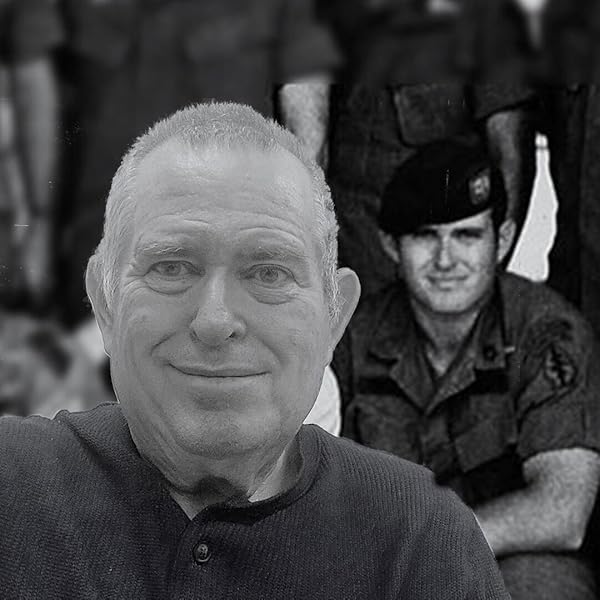
In Surviving the Stroke, you share your journey to recovery following a hemorrhagic stroke as well as actionable advice for those coping with the daily challenges of rehabilitation. Why was this an important book for you to share?
There is a saying ‘knowledge is power.’ While I was in the ICU for that first week and the rehabilitation hospital for three weeks, there was a lot of knowledge passed on, however, most of that knowledge was not about predicting the future as it related to recovery and rehabilitation. While I’m sure the information was available, but at the time I thought it would have been nice to have some of that information. After the rehab hospital, I was in outpatient therapy for 10 months. I met other stroke victims during that time and it was there that I decided to write the book because we all had shared experiences and agreed that there was not a good supply of resources to prepare us for the day-to-day future in being prepared for, and what to expect during recovery, rehabilitation, and later.
I appreciated the candid nature with which you told your story. What was the hardest thing for you to write about?
This is a good question and in hindsight, I think the hardest part was probably in the beginning when I discussed the actual stroke experience and my conversation with God. I think that was because in the moment of the stroke occurring, there was uncertainty of what was happening and if I was dying, or what was happening, therefore I think that was probably the most difficult.
What is one misconception you believe many people may have about recovering from a stroke?
During interactions with other stroke victims at outpatient therapy, we discussed this subject and there are some misconceptions relating to the severity of a stroke. The term mini-stroke is used a lot and I think when people hear the word, stroke, they automatically associate it with mini-strokes and celebrities like Hailey Bieber who appeared to be fine afterward and returned to their activities. Although, there are other celebrities like Randy Travis who have severe strokes, paralysis, and other challenges, and they fade away from the public eye.
In outpatient therapy, there was a woman in her first week and she was similar to me in the severity of the stroke. Her employer called her twice in the previous week asking when she was returning to work, which was upsetting to her and demonstrated to us a lack of empathy, a lack of understanding, and the reality of what a stroke really is.
What is one thing you hope readers take away from your experience?
There is a section in the book “I Quit,” that discusses quitting and dying. My hope is that when a stroke happens, it is not the end of the world. A positive attitude coupled with occasional humor can overcome life’s challenges. Do not give up, do not quit, and embrace the challenge ahead.
Author Links: GoodReads | X (Twitter) | Facebook | Website | Surviving the Stroke | Amazon



 LITERARY TITAN