Visage of Moros
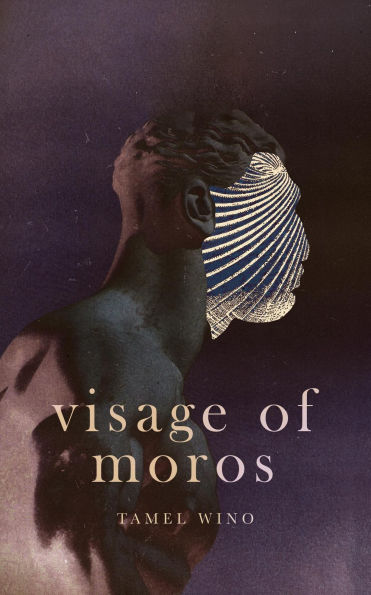

Tamel Wino’s Visage of Moros is a gut-wrenching descent into grief, obsession, and vengeance. It follows Drystan Caine, a man hollowed out by the loss of his daughter, Alba. What starts as a desperate search for answers turns into an all-consuming need for justice, leading Drystan down a path of paranoia, violence, and, ultimately, self-destruction. Told through fragmented, time-jumping entries, the novel blurs the lines between past and present, sanity and madness, memory and reality. Wino doesn’t hold back. The prose is haunting, poetic, and unrelenting, making the reader feel every ounce of Drystan’s pain and fury.
What stood out to me immediately was the sheer rawness of Wino’s writing. There are no clean edges here. Every sentence drips with anguish and exhaustion, pulling you into Drystan’s unraveling psyche. One of the most powerful moments comes when Drystan, at the police station, sees another missing person’s flyer and is momentarily convinced it’s Alba before realizing it isn’t. It’s a simple, brutal moment that encapsulates his denial and desperation. The writing has an almost cinematic quality, immersing the reader so deeply that it’s hard to step away.
Another thing I liked was the book’s structure. The shifting timelines and diary-like entries make it feel like a jigsaw puzzle, with pieces missing and some jammed together forcefully. It’s disorienting, but that’s the point. This isn’t a straightforward story about grief; it’s a chaotic spiral into obsession. One chapter, Drystan is reliving a happy memory of Alba and the next, he’s drinking himself into oblivion while fixating on a potential suspect. There’s an especially harrowing scene where he attacks a sculpture he and Alba once worked on together, as if physically trying to destroy his own memories. It’s these moments of self-inflicted violence that make the book so emotionally exhausting and so powerful.
The novel is unrelentingly bleak. There’s no reprieve, no light at the end of the tunnel, just a slow, steady march toward devastation. That’s not a criticism of the writing itself, but it does mean that this book isn’t for the faint of heart. It reminded me of The Road by Cormac McCarthy in that way, beautiful but punishing. There are no easy resolutions, no catharsis, just a man drowning in sorrow. Some readers might find that frustrating, but for me, it made the book memorable.
I’d recommend Visage of Moros to readers who appreciate dark, psychological fiction and don’t mind stories that leave bruises. If you’re drawn to character studies about grief, trauma, and revenge—think Sharp Objects meets Prisoners—this book is right up your alley. Just be warned: Wino doesn’t let you off easy, and neither does Drystan.
Pages: 463 | ISBN : 9781069182401


Posted on March 12, 2025, in Book Reviews, Four Stars and tagged author, book, book recommendations, book review, Book Reviews, book shelf, bookblogger, books, books to read, dark fiction, ebook, fiction, goodreads, indie author, kindle, kobo, literature, mystery, nook, novel, psychological thriller, read, reader, reading, story, suspense, Tamel Wino, thriller, Visage of Moros, writer, writing. Bookmark the permalink. Leave a comment.



 LITERARY TITAN
Leave a comment
Comments 0