The Trident Code
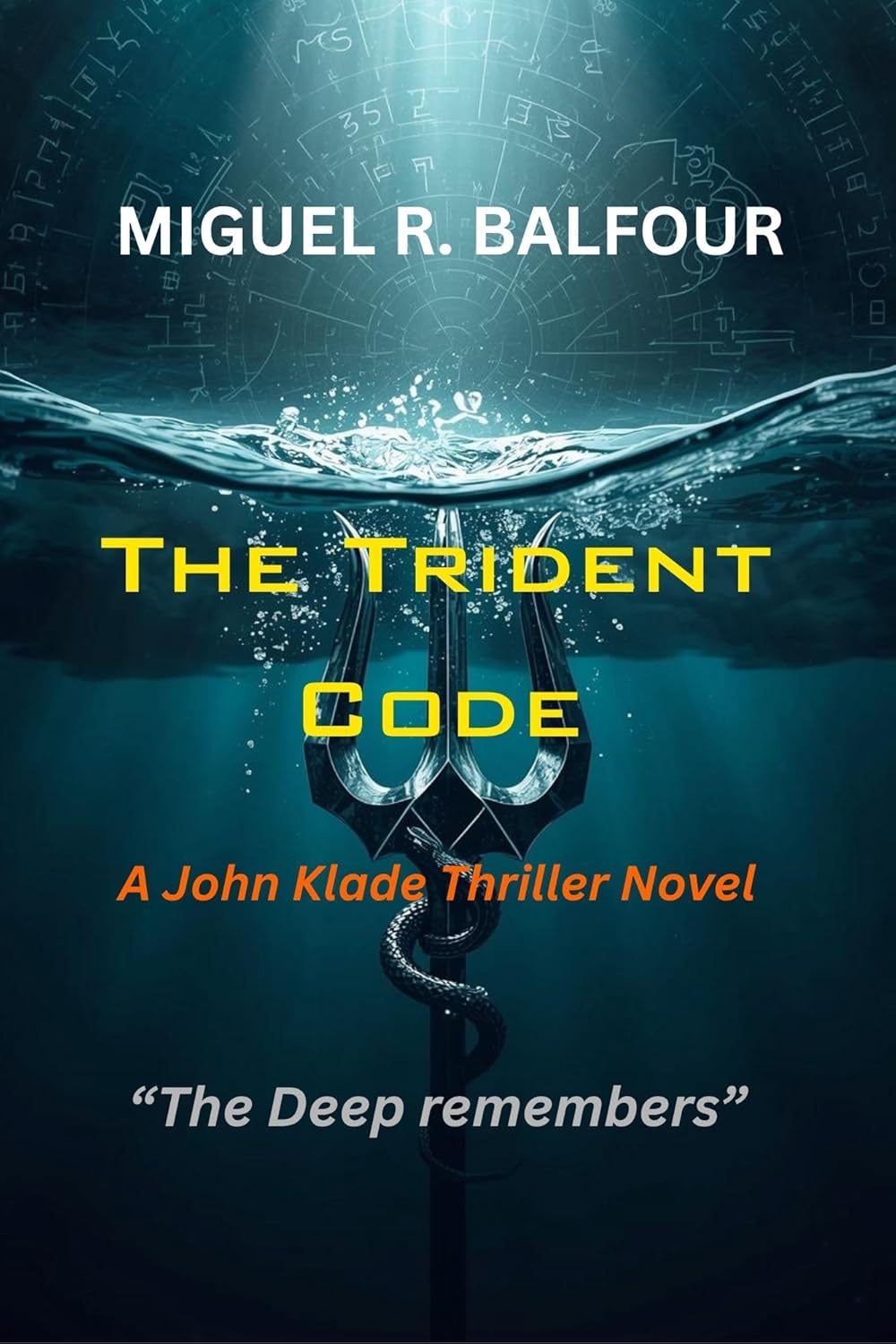

Miguel R. Balfour’s The Trident Code is a military conspiracy thriller (with a definite dark, myth-tinged edge) that kicks off the SEAL Cypher Series. It follows John Klade, a former SEAL turned private investigator, whose routine surveillance work in Los Angeles gets interrupted by a strange trident-and-serpent symbol that keeps showing up like a fingerprint you cannot wash off. When a former teammate is murdered and the same mark appears at the scene, Klade is pulled into a widening hunt that stretches from the streets to old operations, coded messages, and finally toward a looming offshore threat tied to something called “Leviathan.”
The opening chapters have that noir-ish, boots-on-asphalt feel, with details that land in a very physical way, like the city is sticky on your skin and every alley has a memory. Klade reads as competent without being invincible, and I liked that he’s not written as a walking slogan. He’s wary, tired, methodical. The story also knows how to escalate without rushing: a chalk mark becomes a pattern, the pattern becomes a warning, then suddenly it is personal in the worst possible way.
Balfour also makes an interesting author choice by blending modern special-ops paranoia with something older and stranger. Once Annabelle Johansson enters the story and the symbol starts pointing to maritime myths and long-buried operations, the book widens from “who’s stalking the team?” to “what did they wake up?” I was going back and forth on that shift, in a good way. Part of me wanted the clean logic of a pure spy thriller. Another part of me enjoyed the unease, because it fits the book’s central idea: some secrets are not just classified, they feel hungry. And when the plot pushes out onto the water and toward the Brotherhood’s ship, the Leviathan, the tension turns claustrophobic in a new setting. Steel decks, ritual vibes, and the sense that the ocean itself is keeping score.
By the end, I felt like I’d read the opening movement of a larger series story rather than a neatly tied bow, and I mean that as a heads-up more than a complaint. The last stretch leans into momentum and dread, and the closing image of heading into open water, with hope showing up like a fragile, stubborn light, really worked for me. I’d recommend The Trident Code most to readers who like fast, cinematic thrillers with military DNA, team history, and a conspiracy that turns almost mythic at the edges. If you’re happiest when a book feels like a cross between a covert-ops chase and a shadowy cult mystery, this one is written for you.
Pages: 386 | ASIN : B0G1L3JDYN


Posted on February 23, 2026, in Book Reviews, Five Stars and tagged author, book, book recommendations, book review, book reviews, book shelf, bookblogger, books, books to read, ebook, espionage, fiction, goodreads, indie author, kindle, kobo, literature, Miguel Balfour, mystery, nook, novel, read, reader, reading, spies and politics, story, suspense, The Trident Code, thriller, writer, writing. Bookmark the permalink. Leave a comment.



Leave a comment
Comments 0