The Caregiver’s Game: Unraveling Financial Deceit in the Shadows of Dementia
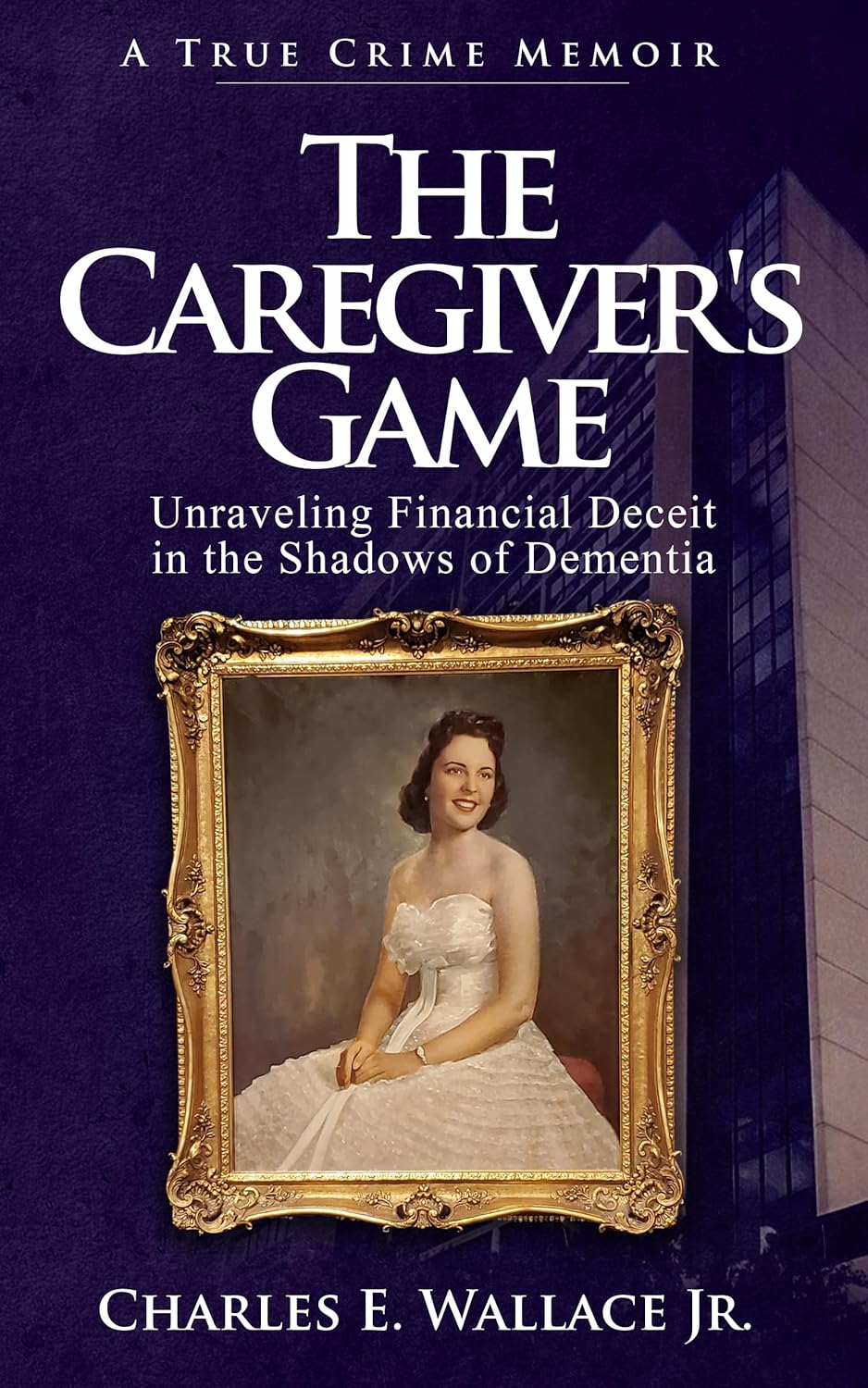

The Caregiver’s Game is a grief-soaked memoir and a warning label at the same time. Author Charles E. Wallace Jr. walks through the slow unraveling of his mother’s mind, her complicated history as a vain, often cold parent, and the way a charming caregiver and a shady doctor slid into the gaps and took over her life, her money, and eventually even her story. The book moves from family memories to the nuts and bolts of financial abuse, then lands in a more practical section that lays out concrete steps for protecting vulnerable parents from predatory caregivers and weak systems around them.
Reading it, I felt a knot in my stomach most of the time. The writing has a plain, conversational feel, and that actually made the horror land harder for me. He describes lost photo albums, empty storage units, fake diagnoses, weird “vitamin” schemes, and bank accounts bleeding out, and he just tells it straight. The emotion sits in the details. I really liked that he refuses to polish his mother into a saint. She’s vain, sharp, often unkind, and the book leans into that. That honesty made the whole thing feel more trustworthy. The narrative jumps across dates, money trails, and visits. I could feel his obsession with piecing everything together, and that energy gives the book urgency.
The core ideas hit hard, though. Dementia here is not only a disease, it is a door that opens for other people’s greed. The book shows how one caregiver, one lazy CPA, one self-serving doctor, and a slow-moving legal system can wreck a whole family’s history, not just an inheritance. I found the later chapters especially strong, when Wallace stops replaying every twist of the “game” and starts talking directly to the reader about patterns of abuse, how financial exploitation creeps in, and what he wishes he had done earlier. His practical tips on things like monitoring accounts, demanding receipts, using alerts, and always being the one who hires and fires caregivers feel grounded in pain, not theory. That mix of raw story and specific advice gave the book a sense of purpose.
By the end, I felt angry for his mother and angry at her at the same time, and also grateful that he let the messiness stay on the page. The writing is not flashy, but it feels sincere. Some passages feel slow when he works through every transaction or theory about what Esmarelda and readers who want a neat true-crime resolution, may feel frustrated, because real life does not give him much closure. For me, that unresolved feeling matched the subject. Elder abuse often never gets the big courtroom scene or tidy justice, and the book sits inside that reality instead of pretending otherwise.
I would recommend The Caregiver’s Game to adult children who are starting to see small red flags with an aging parent, to caregivers who want to understand how their role can be abused, and to anyone who works around elder care, finance, or estate planning. It’s not light reading. It stirs up fear and guilt and “what if” questions, and it might make you pick up the phone and check on someone. If you want a personal, sometimes messy, deeply felt account that doubles as a cautionary handbook, this fits that lane really well.
Pages: 245 | ASIN : B0FYCS2X9H


Posted on February 27, 2026, in Book Reviews, Five Stars and tagged aging parents, author, book, book recommendations, book review, Book Reviews, book shelf, bookblogger, books, books to read, Charles E. Wallace Jr, ebook, Elder Abuse, eldercare, goodreads, hoaxes and deceptions, indie author, kindle, kobo, lawyers & Criminals Humor, literature, memoirs, nonfiction, nook, novel, parent and adult child relatinoships, read, reader, reading, story, The Caregiver's Game: Unraveling Financial Deceit in the Shadows of Dementia, true crime, writer, writing. Bookmark the permalink. Leave a comment.



Leave a comment
Comments 0