The Fraud of Eternity
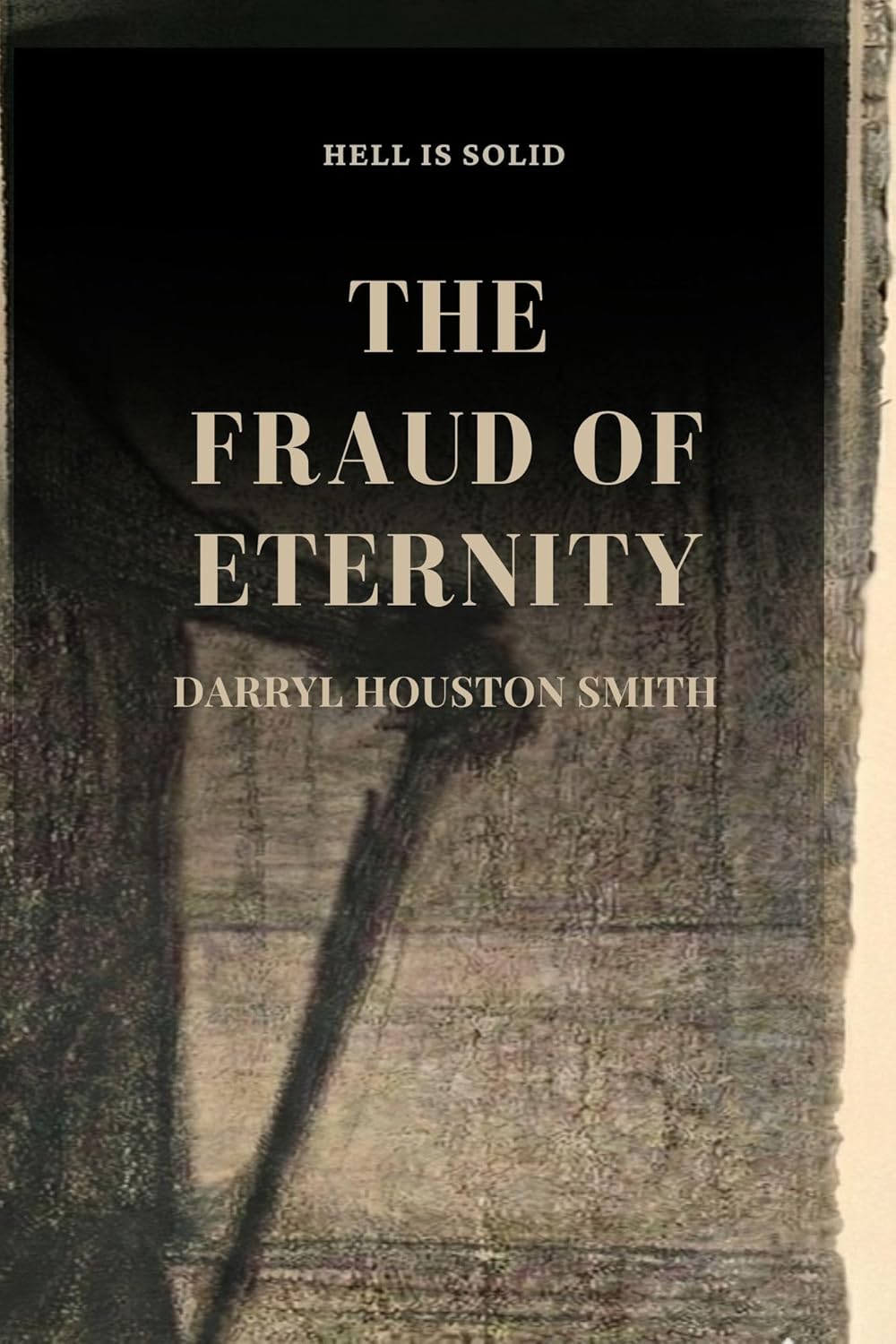

The Fraud of Eternity is a compact, bleakly beautiful collection of poems that circles around death, suffering, and spiritual exhaustion in the industrial landscape of Lowell, Massachusetts. The book moves through four sections, from the cosmic brutality of “The Slaughterhouse” to the brick mills by the Merrimack, then into personal hauntings and finally toward a kind of hard, earthbound acceptance. The voice keeps reaching for images of slaughter, mud, ice, and machinery, and it does that through very strict rhyme and meter, what the author calls “The Dyad,” mostly ABAB patterns that hold the emotion inside tight little cages. References to Baudelaire, Rimbaud, and the French Symbolists appear both directly and through the tone, and the notes at the end make that lineage explicit.
As a reader, I was first grabbed by the sheer force of the language. The images have teeth. “The Monolith,” “The Wheel And The Knife,” and “The Venom Of Thought” all hit with a kind of controlled violence. The clock shaving off skin, the river turned into steel, the falls chewing the water like granite jaws, scenes like that stay with me. The strict rhyme and meter work well here. They act like restraints, and the emotion pushes against them until it starts to vibrate. I appreciate that discipline. In a time when so much poetry goes loose and drifty, the choice to stay formal feels bold and very deliberate. At times, I caught myself reading lines aloud just to feel the rhythm click into place, and that is usually a sign that the craft is doing its job.
The book insists again and again that heaven is empty and that the real, honest place is the “slaughterhouse” of the earth, the warm mud, the mills, the graveyard on a cold Sunday. Poems like “The Morning Star Rejected” and “The Warmth Of Hell” lean hard into that stance, and I felt both fascinated and unsettled. It is a defiantly anti-transcendent vision. No soft afterlife, no comforting light, only heat, soil, and repetition. For me, the most moving pieces are where that philosophy meets human tenderness. “Edson Cemetery (Sunday)” has a quiet envy of the dead that cut deeper than the louder cosmic lines. “The Dyad” turns a metaphysical idea into an intimate portrait of love as two pillars holding up one roof, never merging, still sharing the strain. The pairing of “Fear Not Death (Original)” and “Fear No Death (Eulogy)” adds another twist, one dark and nihilistic, the other gentler and consoling. That contrast made me feel like I was watching the poet argue with himself, and I liked that tension.
I would recommend The Fraud of Eternity to readers who enjoy dark, formally structured poetry, and to people who already feel at home with Baudelaire, Poe, or Jim Morrison’s more apocalyptic writing. It suits anyone who wants a serious, unflinching look at despair, religion, industry, and the body, and who does not mind walking through a very shadowy landscape to get there. If you want poems that stare straight into the night and refuse to look away, this collection will feel like exactly the right kind of trouble.
Pages: 38 | ASIN : B0GF9T4RCZ


Posted on February 18, 2026, in Book Reviews, Five Stars and tagged american poetry, author, book, book recommendations, book review, book reviews, book shelf, bookblogger, books, books to read, collection, Darryl Houston Smith, ebook, goodreads, indie author, kindle, kobo, literature, nook, novel, poem, poetry, Poetry About Death, Poetry About Specific Places, poety, prose, read, reader, reading, story, The Fraud of Eternity, writer, writing. Bookmark the permalink. Leave a comment.



Leave a comment
Comments 0