Blog Archives
A Catharsis
Dialogues with the Wise Woman follows a lonely man in search of answers as he connects with a psychologist who guides him toward better and more philosophically-based life choices. What was the inspiration for the setup of your story?
George Sistern is my alter ego. I was scammed by a con artist, and like George, I also have a lot of trouble “letting go.”…which is highly destructive. Like I explain in the book, we can take every precaution to make sure we never get into a situation like this. But other than learning from it, we cannot undo what has already happened. By constantly obsessing and reliving the situation, we hurt ourselves more than our perpetrators did…and by doing so, we grant them enormous power over us.
I decided to write this book as a catharsis. I’m sure that others have experienced the same feelings of shame and guilt, and subjected themselves to massive self-flagellation…even if they were too embarrassed to admit it to anyone.
There was clearly a lot of time spent crafting the character traits in this novel. What was the most important factor for you to get right in your characters?
I wanted my readers to feel George’s pain – especially if they have experienced similar situations. I also wanted to let them know that they are not alone – even if it might seem that way at the time. I invented Mildred as the ideal therapist that I would like to see – if one like this existed. She had a PhD in psychology and philosophy, so she could address raw, overpowering emotions, but at the same time, incorporate iron-clad logic and offer practical and tangible solutions. She was loving, compassionate, understanding, and someone who you could comfortably share anything with without worrying about being judged. But at the same time, she was no-nonsense and solution-based. Visiting her Mercer St. office would not only represent a physical pilgrimage, but a psychological and philosophical one.
What were some themes that were important for you to explore in this book?
Even in the most dire circumstances, there are some things that even our most wicked oppressors cannot take from us. Victor Frankl proved this in Man’s Search for Meaning. People like Natan Sharansky have also proved this. No matter what physical and psychological abuse an oppressor can subject us to, they can’t take away our self-esteem and our attitude. Just like the term implies, it comes from the self. I also wanted to convey that if we’ve done something wrong, are truly sorry for it, try to make restitution, and vow never to do it again, then these incidents don’t define us. The reason people who have done things which were wrong feel so bad is because they have a conscience. That is what separates us from evil people. Evil people not only enjoy inflicting pain and suffering, but they seek out opportunities to do so. Good people will make mistakes. That is the price all of us pay for being human. But good people do not violate their moral code.
George’s story has all the makings of an engaging series. Can we expect to see more from you?
I’m flattered if some people would like to read a series, but I honestly hadn’t thought about it. I do know that I definitely have more books in me. I think it is great if an author can express ideas, provide food for thought (with maybe a new way of looking at things), and make his readers think about and contemplate important issues…even if they don’t agree with everything he writes. If I can provide help and inspiration at the same time, and really “make a difference,” that would make me very happy. But right now, I’m going to take a little respite. This has been an enormous undertaking, especially for an obsessive-compulsive guy like me.
Dialogues with the Wise Woman
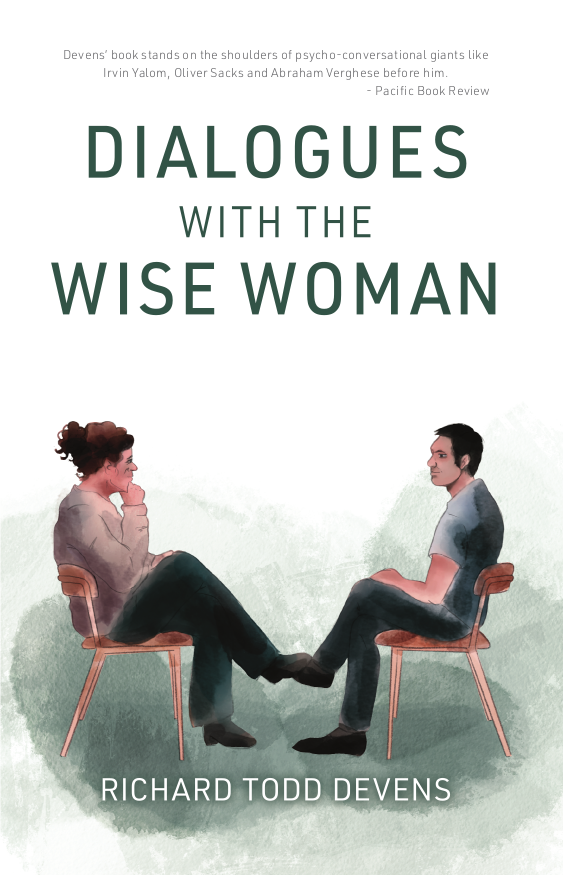

Dialogues with the Wise Woman, by Richard Todd Devens, is an enlightening exploration of human psychology and the quest for meaning. Devens weaves a captivating narrative through engaging dialogues and profound insights, guiding readers on a thought-provoking journey alongside the troubled character, George Sistern.
George, a middle-aged man, is trapped in a world of romantic solitude. George’s unique proposition to potential partners sets the stage for an intriguing encounter with the strange Poker Queen. Per the terms of their agreement, the Poker Queen wins him some money and eventually cons him out of $500. This loss triggers a downward spiral, forcing George to confront his intelligence, self-awareness, self-worth, and other existential questions.
In his pursuit of healing, George seeks solace in the company of psychotherapist, Mildred Markowitz. Their dialogues touch on issues of self-esteem, violent crime, and the philosophy of self-improvement, offering readers a profound reflection on their own lives and choices.
What stands out in this book is Devens’ ability to weave a story around the myriad of issues raised. Devens’ narrative brims with wisdom, inviting readers to explore the complexities of life, morals, and ethics. Although I feel the book lacks a clear central theme as the characters seek to practically address the big questions of life bordering on morals and ethics, its unique storytelling style infuses the journey with a distinctive flavor. At first glance, the transition from conversations on loss and self-chastisement to a full-blown debate on violent crime may seem smooth, but I believe it may distract readers somewhat from the troubles of the central character.
Dialogues with the Wise Woman delivers refreshing and insightful perspectives that resonate with a variety of readers. For those who might find philosophy and therapy daunting, this book illuminates pathways toward inner conviction and liberation. Richard Todd Devens has crafted a compelling narrative that encourages introspection and self-discovery, making it a valuable addition to the genre of psychological and philosophical literature.
Pages: 238 | ISBN: 1662933215




 LITERARY TITAN