Blog Archives
Literary Titan Gold Book Award: Fiction

The Literary Titan Book Award honors books that exhibit exceptional storytelling and creativity. This award celebrates novelists who craft compelling narratives, create memorable characters, and weave stories that captivate readers. The recipients are writers who excel in their ability to blend imagination with literary skill, creating worlds that enchant and narratives that linger long after the final page is turned.
Award Recipients








Restoration by Laura Brooke
Even Angels Wear Leather Jackets and Ride Motorcycles by J.A. McGovern
Visit the Literary Titan Book Awards page to see award information.
Literary Titan Silver Book Award

Celebrating the brilliance of outstanding authors who have captivated us with their skillful prose, engaging narratives, and compelling real and imagined characters. We recognize books that stand out for their innovative storytelling and insightful exploration of truth and fiction. Join us in honoring the dedication and skill of these remarkable authors as we celebrate the diverse and rich worlds they’ve brought to life, whether through the realm of imagination or the lens of reality.
Award Recipients










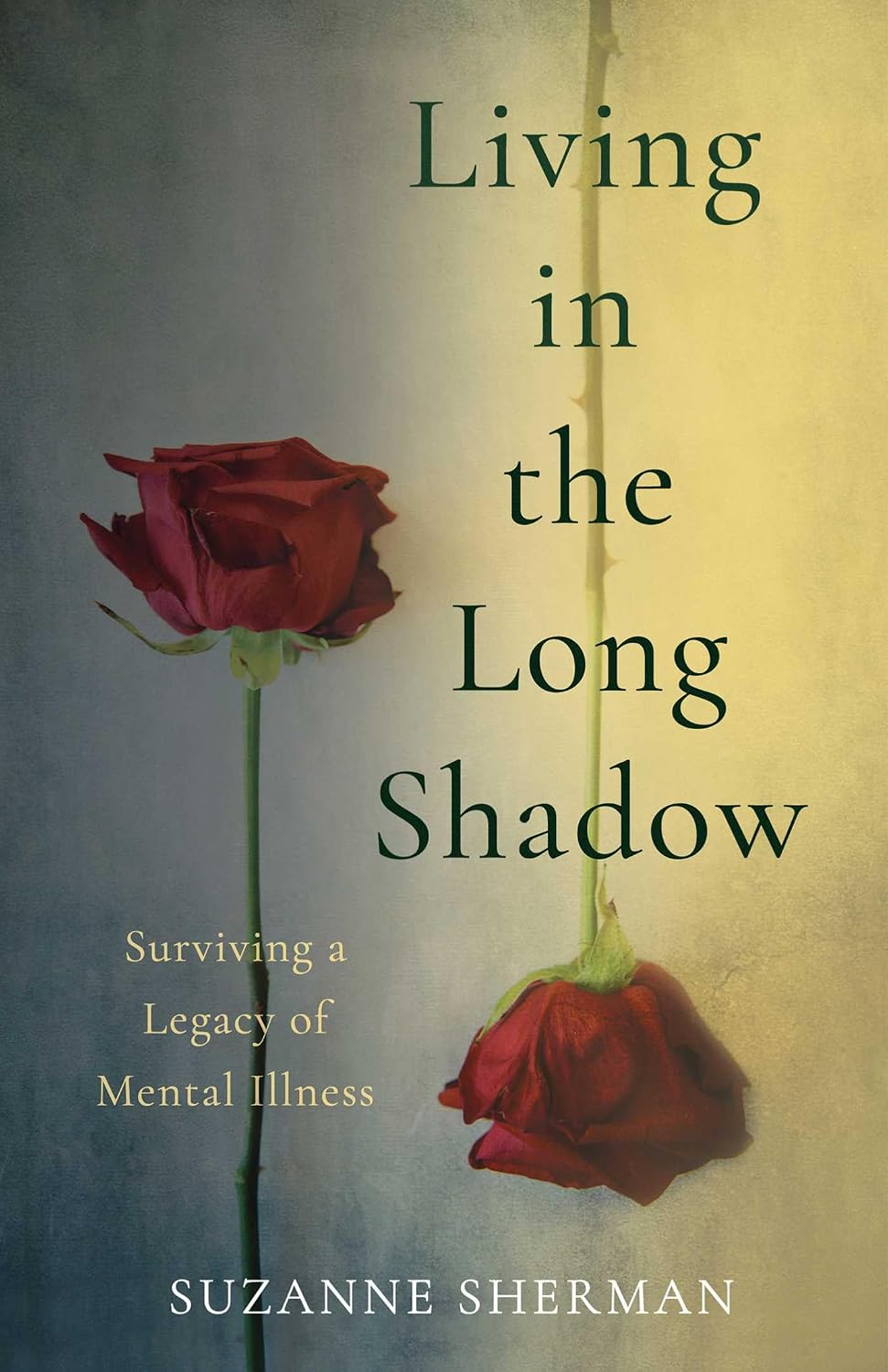


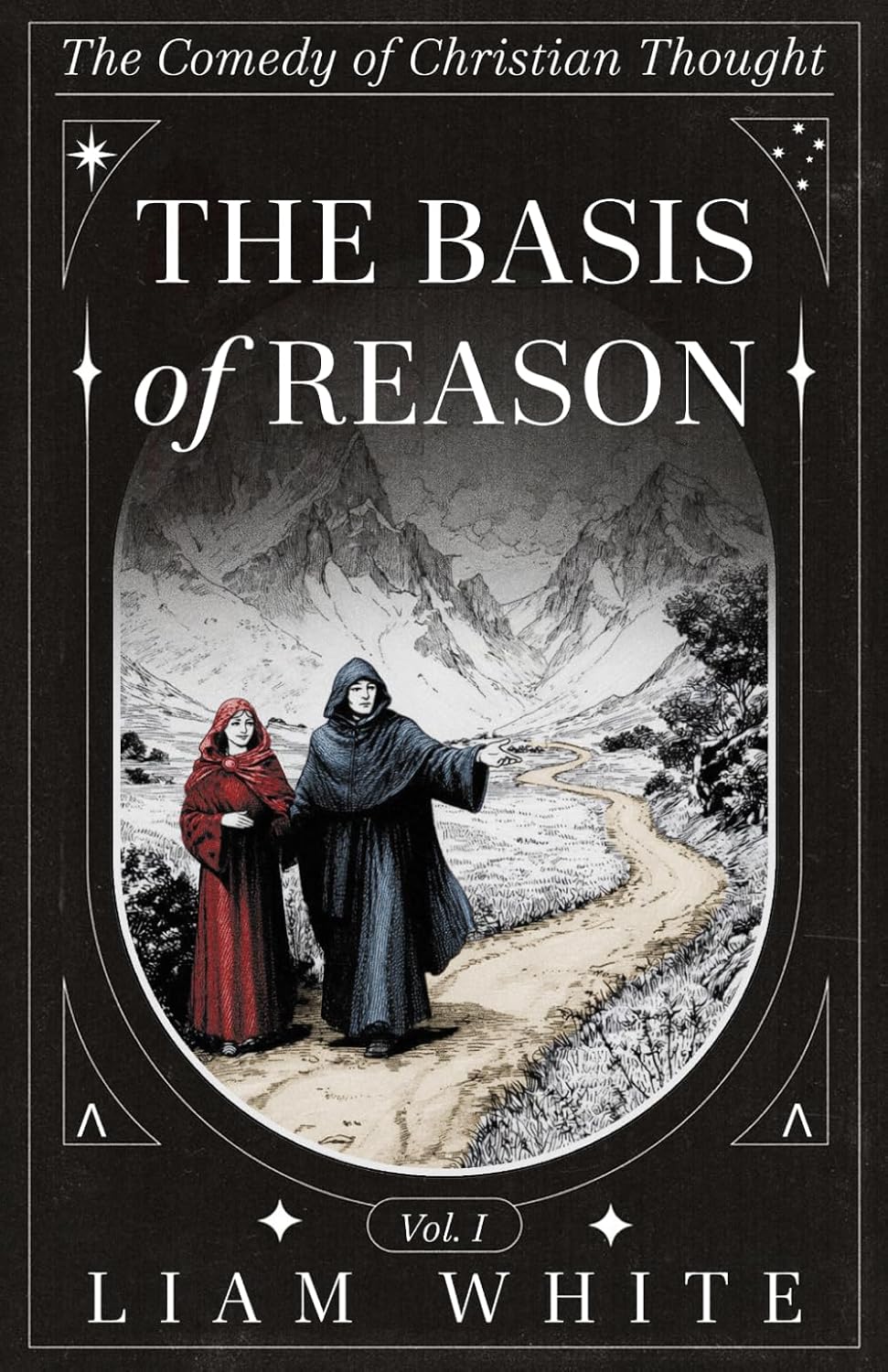
Crescent City Requiem by Brian Kaufman
Sunday Morning at Cafe Noir by Jo James
The Suicide Council by Victer Hugo Basurco
Departure from Innocence by WILLIAM WILSON
Steel & Ballast by Markella Kara
Visit the Literary Titan Book Awards page to see award information.
Sparks


Laura DiNovis Berry’s Sparks is a contemporary second-chance romance about Olivia Stork and Trevor McCall, two fiercely competitive college friends whose chemistry finally boils over during their senior year. Olivia, convinced Trevor sees their night together as a casual hookup, retreats to the safety of her relationship with David. Trevor interprets her choice as rejection, and their friendship falls apart. Six years later, Olivia is struggling to save the accounting firm she inherited while hiding the collapse of her engagement. When she reluctantly asks Trevor, now a successful business coach, for help, their reunion brings old resentment, unfinished attraction, and a lot of sharp banter back to the surface. The novel’s two-part structure gives readers both the original misunderstanding and its long-term consequences, which makes the eventual reconciliation feel earned rather than convenient.
The strongest part of the book is Olivia’s emotional journey. She’s competent, funny, stubborn, and so determined to handle everything alone that she repeatedly makes her own life harder. Her reluctance to depend on anyone grows from grief, especially the loss of her mother, and the story treats that fear as more than a simple obstacle standing between her and Trevor. Olivia has to learn that accepting support doesn’t erase her independence. Trevor’s development complements hers nicely. He’s still charming and playful, but adulthood has given him enough self-awareness to recognize how badly he handled their college fallout. Their relationship works because they don’t just rediscover their attraction. They apologize, argue, collaborate, and gradually build a more honest version of the friendship they once had.
Readers of Emily Henry will recognize the mixture of clever dialogue, emotional baggage, and characters whose professional problems are tangled up with their romantic lives. Like Henry’s Book Lovers, Sparks pairs an ambitious heroine with a man who can challenge her without asking her to become smaller. Berry’s style is broader, raunchier, and more openly playful, with explicit sex scenes and a supporting cast that often pushes the comedy toward sitcom territory. The business-coaching plot also gives Olivia and Trevor a practical reason to spend time together, so their renewed intimacy develops through meetings, networking events, meals, exercise, and the small routines of everyday life. That ordinary closeness is where the romance becomes most convincing.
Sparks is a warm, spicy story about what happens when self-protection turns into isolation. The novel has a generous view of friendship, too. Olivia’s eventual confession to Annie and Megan is every bit as important as her reunion with Trevor, because admitting that she’s been struggling finally lets the people who love her show up for her. The ending wisely gives Olivia and Trevor a shared life that still leaves room for separate homes, careers, and an evolving timeline, rather than treating romance as the disappearance of every complication. It’s an affectionate, funny, emotionally candid romance with two flawed people who have plenty of chemistry but ultimately need trust, humility, and a second chance to make it last.
Pages: 222 | ISBN : 1644569159

When Squirrels Fly

D. E. Carr’s When Squirrels Fly is a playful blend of mystery, science fiction, romance, and neighborhood comedy set in Ann Arbor, Michigan. The story begins when Mel Caldwell experiments with virtual reality goggles designed for migraine research and discovers what appears to be a wormhole near her neighbor’s backyard trellis. After Mel disappears, her niece Allie, a skeptical neuroscience professor, arrives in town and joins forces with handsome travel writer George Bennet to find her. Their investigation soon expands to include secret research, surveillance, kidnappings, pharmaceutical interests, federal agents, and a surprising amount of trouble caused by pets.
I loved the book’s lively cast. Allie is smart, athletic, and capable, but her guarded personality gives her room to change as she begins trusting George, her brother Nick, and her own instincts. Nick’s wisecracks add warmth to nearly every scene, while Aunt Mel brings the kind of cheerful unpredictability that makes her both lovable and dangerous to underestimate. Even the animals have distinct personalities, particularly Chidi, the tiny Chihuahua who behaves like a cat, ignores every rule, and repeatedly proves more useful than the humans expect. Carr uses these relationships to keep the novel grounded even when the plot begins hopping through portals and uncovering conspiracies.
Readers who enjoy Janet Evanovich’s Stephanie Plum novels will recognize a similar comic energy here. Like Evanovich, Carr surrounds her central mystery with eccentric neighbors, chaotic family members, romantic tension, and ordinary errands that can turn into minor disasters. Carr’s approach has a more academic and speculative flavor, though, drawing on neuroscience, migraine research, and questions about consciousness and space. Ann Arbor also becomes a character in its own right. Its historic homes, university buildings, bike paths, local restaurants, wildlife, and proudly unconventional residents give the adventure a strong sense of place instead of serving as interchangeable scenery.
When Squirrels Fly is an ambitious, good-humored debut that values curiosity, community, and human connection as much as solving its mysteries. The many characters, investigations, and scientific ideas make the story busy, but that abundance suits its slightly mischievous personality. Beneath the wormhole experiments and criminal schemes, the novel is really about Allie learning to reconsider the life she’s built and the defenses she’s carried since her father disappeared. Carr leaves several possibilities open for future adventures, and by the final chapters, Allie, George, Nick, Aunt Mel, and Chidi feel like a team worth following through another impossible situation.
Pages: 360 | ASIN: B0FWZWDL6G
Time To Write A Romantic Comedy

Allison Turns The Page follows a bestselling author whose search for inspiration sparks an anonymous exchange through a neighborhood book box and ultimately forces her to confront the fear that has long shaped her choices. What inspired this premise?
Because my background is in writing TV sitcoms, I thought it was time to write a romantic comedy. I thought it would be a great character arc for a successful author to feel like a fraud after writing about a subject she knew nothing about. Imposter syndrome is widespread among authors; it’s also common among many professionals, and I wanted Allison’s journey to show how she chooses to move through it.
How did the idea of a neighborhood book box become such an important part of Allison’s emotional journey?
Little Private Libraries have always been important to me. I’ve read books through them, and I love leaving my books inside so readers discover my work. As my novels disappear quickly, I’ve wondered who the readers drawn to them are. I thought it would be interesting if Allison could open up to someone she didn’t know, even though she had trouble feeling vulnerable with people in her real life. I also often add a little mystery to my novels, so having anonymous notes show up was a way to do that.
Humor often becomes Allison’s way of protecting herself from vulnerability. Why were comedy and emotional honesty such a natural pairing for this story?
Being vulnerable is often hard for someone who doesn’t trust the world or feel safe in it. Because Allison didn’t know her biological father, she never quite felt deserving of love and was drawn to the wrong kind of men. Her humor helps her get through life and keeps her true feelings hidden, sometimes even from herself.
If readers close the book feeling inspired to make one change in their own lives, what do you hope that change might be?
I hope anyone who reads my book realizes that their past shouldn’t dictate their future and that they can control what happens to them on their journey. I also hope they recognize the importance of looking within themselves and being honest about why they do what they do, and that they have the ability to change their future.
Author Links: GoodReads | Facebook | Website
Allison Hoffman has built her career in writing love stories rather than living them. When her agent pressures the thirty-four-year-old to deliver another big romance. She decides instead to write a dark, edgy novel whose heroine gives up on love and is intent on revenge.
Every publisher passes.
Her agent drops her.
In a moment of panic, she tucks a copy into a Little Free Library. As Allison tries to move on, anonymous notes begin to appear, insightful, personal, and impossible to ignore. Allison is drawn into a connection that grows more tangled, blurring the lines between fiction and reality. She must decide whether it’s worth the risk to open her heart.
Can Allison’s own story have a happy ending?
Allison Turns the Page, the third book in The Women We Become Series, is a warm, witty, and heartfelt contemporary romance about unexpected connections and the risk of opening your heart when you least expect it. Sometimes the hardest page to turn… is the one in your own life.
Read all three books! Pick up a copy today.
Tropes: Heartwarming Women’s romance—Found Connection—Emotional Slow Burn—Second Chance At Love—Love After Heartbreak—Personal Reinvention
Perfect for fans of Nora Goes Off Script, Book Lovers, and Just For The Summer, you will enjoy how Allison confronts the issues she hides from everyone—including herself.
I’ll Call You Home


Sharon L. Clark’s I’ll Call You Home is a warm, lively blend of second-chance romance, family drama, and romantic suspense. Charlotte Trevino returns from San Francisco to her family’s Texas horse ranch after her father is injured, only to discover that the ranch is sinking financially and a wealthy developer is pressuring the family to sell. Her homecoming also puts her face-to-face with Jason Archer, the first love who broke her heart nearly eight years earlier. From there, the novel builds around two connected questions: whether Charlotte and Jason can finally speak honestly about their past, and whether the Trevinos can protect the land that has shaped their family.
Charlotte is the book’s driving force, and her personality gives the story much of its spark. She’s loyal, stubborn, impulsive, and fully prepared to confront anyone who threatens the people she loves. Her warning to the predatory Gerard Chancellor captures her perfectly: “Don’t be fooled by my size. A rattlesnake is small, but you sure don’t want to tangle with one.” Clark lets that toughness sit alongside Charlotte’s grief, uncertainty, and longing, so she feels like more than a stock fiery heroine. Jason is gentler and more guarded, with responsibilities that include caring for his mother as dementia gradually changes their relationship. His quiet devotion to family and his buried desire to become a chef make him an appealing match for Charlotte, even when his habit of withholding information creates real frustration.
The romance works because Charlotte and Jason’s history isn’t treated as a simple misunderstanding that disappears after one conversation. They loved each other deeply as teenagers, and their breakup shaped the adults they became. Their alternating viewpoints show how each has spent years interpreting the same events differently, which gives their anger and attraction real emotional weight. The chemistry is strong, but the more satisfying part is watching them learn to stop making decisions on each other’s behalf. Their eventual reconciliation feels tied to personal growth, not just lingering physical attraction, and the playful proposal near the end fits the comfortable intimacy they’ve rebuilt: “Charlotte Rose Trevino, wanna marry me?”
The supporting relationships give the novel a pleasantly full world. Charlotte’s banter with her brother Brandon feels lived-in, while her father Arthur and veterinarian Janelle bring tenderness and humor to the ranch scenes. Jason’s friendship with Mitch adds comic energy, and his relationship with his mother supplies some of the book’s most vulnerable moments. The suspense plot grows steadily from financial pressure into stalking, sabotage, corruption, and violence, eventually revealing a much larger criminal operation behind the attempted land purchases. That escalation gives the final third plenty of momentum, though the middle sometimes circles familiar conflicts as Charlotte and Jason repeatedly hesitate to share important information. Even so, the ranch, diner, general store, horses, and close-knit town make Zearing feel like a place with its own rhythms.
I’ll Call You Home is about choosing a life because it genuinely fits, not because guilt, fear, or someone else’s expectations have chosen it for you. Charlotte has to decide what home means after building a successful life elsewhere, while Jason has to accept that caring for others doesn’t require abandoning his own ambitions. Clark brings those threads together in a satisfying conclusion that gives the romance, family conflict, suspense, and career journeys room to resolve. The result is an affectionate, emotionally direct novel with spirited dialogue, a strong sense of place, and characters who are at their best when they finally trust one another enough to tell the truth.
Pages: 278 | ASIN : B0FR3DM766
By Her Own Hand: War and Passion in a Woman’s Wounded Heart

By Her Own Hand is a sweeping blend of war novel, psychological drama, romance, and fugitive thriller. Jack Deveny centers the story on Madeline Crowne and Eliot Lange, two decorated soldiers carrying the moral injuries of Afghanistan into an uncertain life back home. Both are haunted by civilian deaths, abandonment, and the fear that a single terrible moment has defined them forever. Their growing love gives the novel its emotional center, while accusations of war crimes, an international arms trafficker, and a relentless pursuit keep the story moving. The book’s subtitle, “War and passion in a woman’s wounded heart,” captures its central tension beautifully.
Madeline is the novel’s driving force. She’s fierce, vulnerable, sexually candid, and burdened by guilt that reaches back to her childhood and her brother John’s suffering. Her relationships with Eliot and Mira reveal different sides of her hunger for safety, loyalty, and forgiveness. Eliot, meanwhile, brings a gentler energy to the story. His devotion to his traumatized friend Will and his tenderness toward Madeline give the romance genuine warmth. Their intimacy is presented as more than desire. It becomes a private language through which two damaged people recognize each other and begin imagining a future.
Deveny writes with emotional directness and a strong visual instinct. Combat scenes arrive in flashes of blood, smoke, confusion, and irreversible choices, while quieter moments linger over hands, scars, clothing, rooms, and treasured objects. The shifting viewpoints bring readers close to the characters’ thoughts, and the story moves confidently from Afghanistan to Sacramento, Libya, Beirut, and military courtrooms. At times, the intensity is almost unbroken, but that sustained pressure suits characters who can’t simply step away from their memories. The novel is deeply interested in moral injury, especially the painful distance between what a person intended and what their actions caused.
What stays with you is the book’s belief that remorse can become a source of purpose. Madeline and Eliot don’t erase their wounds. They learn to carry them toward service, compassion, and a life devoted to people suffering as they have suffered. By the closing pages, justice matters, but mercy matters more, and love becomes an active choice. By Her Own Hand is a fierce and intimate story of two wounded soldiers who discover that love can’t undo the past, but it can teach the heart what to do with it.
Pages: 351 | ASIN : B0H2HGZJPY
Eden, Divided
Steven Marks’s Eden, Divided is a thoughtful reimagining of Adam and Eve’s fall that treats temptation as a slow fracture rather than a single reckless choice. The novel begins with Eden in radiant harmony, where Adam and Eve live without shame, suspicion, or any sense that love might require protection. When the serpent first approaches Eve, she recognizes the deception and refuses it. That refusal becomes the book’s most intriguing decision, since the serpent must find subtler ways to unsettle the couple. Instead of relying on obvious hunger for the forbidden fruit, he introduces comparison, possessiveness, private thoughts, and the idea that a person might keep part of themselves separate from those who love them.
Marks spends much of the novel exploring how these small inward changes reshape Adam and Eve’s relationship. A touch becomes a claim. A private thought becomes something deliberately withheld. Admiration begins to mingle with jealousy, while individuality starts to feel like isolation. Adam and Eve remain loving and deeply devoted, which makes their growing distance more affecting. Their conversations give the story its emotional center, especially when they sense that something has changed but lack the experience to understand it. The book’s version of sin is closely tied to division, not only division from God, but division within the self and between two people who were created to live openly with one another.
The novel recalls C. S. Lewis’s Perelandra, another story that expands the biblical temptation into a sustained psychological and spiritual struggle. Lewis presents temptation as an intellectual siege, while Marks brings it closer to the emotional patterns of a marriage. His serpent succeeds by teaching Adam and Eve to reinterpret love as ownership and vulnerability as danger. The lush, reverent descriptions of Eden also carry something of Lewis’s sense of creation as spiritually alive, though Marks’s style is more intimate and meditative. Readers who enjoy biblical fiction, theological speculation, or character-driven stories about trust will find plenty to discuss here.
At times, the deliberately elevated prose and repeated attention to subtle emotional shifts slow the pace, but that patience is central to the book’s purpose. Marks wants the reader to feel every degree of separation before the fruit is finally taken, so the familiar ending arrives with renewed weight. By the time Adam and Eve hide, blame one another, and leave the garden, their exile feels like the physical completion of a division that has been growing for many chapters. Eden, Divided is ultimately a sorrowful story about how love can remain real after innocence is gone, and how truth, trust, and mercy become choices once they’re no longer effortless.
Pages: 412 | ASIN : B0D6W6LXHK


