Blog Archives
Recovery is Possible
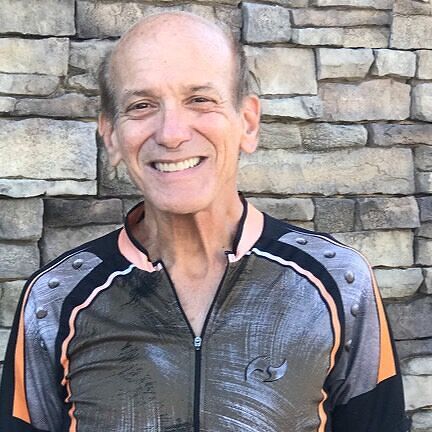
Where Did My Brain Go? tells your story about being involved in a car accident that left you in a coma, how you went nine years with an undiagnosed traumatic brain injury, and the long road to rebuilding your life. Why was this an important book for you to write?
I started writing this memoir in 2007 because I was angry. For nine years, I wandered around confused, asking friends if they thought I’d changed. They laughed. I got drunk to stop wondering what was wrong with me. When a specialist finally diagnosed my traumatic brain injury in 1995, I learned that a note in my ICU chart had said “Patient is confused. Someone should check his head.” My physician wife read that chart. She checked me out of two hospitals before anyone examined me.
I needed to write this book because every brain injury memoir I found featured helicopter evacuations, loving families, and treatment teams fighting for the patient’s recovery. Mine featured an angry wife who didn’t want a brain injured husband, a charlatan psychiatrist who prescribed legal speed, and years of stupefying drugs that kept me profitable and dependent.
The book took 18 years to finish. Confronting these memories was harder than learning to walk again. But I kept writing because professionals wanted me drugged and living in supervised housing. A charming employment counselor encouraged me to work on a factory assembly line for $3.50 an hour with her other disabled clients. Slick salespeople described the joys of “clubhouse” parties.
One exceptional surgeon gave me back my ability to walk. One dedicated social worker helped me escape the system. But most professionals wanted to keep me dependent. I said no. I found a job and relinquished my disability benefits.
This book is proof that recovery is possible even when nobody’s helping. Even when the person who should protect you is the one who betrays you. I wrote it for people in pain who need to know they can reclaim their lives outside the system designed to keep them trapped.
What is a common misconception you feel people have about Traumatic Brain Injuries?
One day, while overmedicated and feeling hopeless, I remembered reading that people only use half of their brain. At that moment I realized I had to ignore medical advice, stop taking stupefying pills, and rejoin the world.
Most professionals don’t know how to help brain injury patients. Others don’t care. They support themselves by keeping people dependent on pills and living in supervised housing. There’s more profit in dependency than recovery.
The common misconception is that the medical system wants you to recover. It doesn’t. Professional athletes get unlimited physical therapy until they’re healed. Regular people get cut off after a few sessions and sent to pain clinics for legal narcotics.
Two professionals helped me recover. One surgeon restored my ability to walk without requiring health insurance. He provided unlimited physical therapy for over a year. One social worker helped me escape the disability trap when others wanted me working on a factory assembly line for $3.50 an hour.
Recovery isn’t about finding the right pill. It’s about finding the right people, learning acceptance, and refusing to accept dependency as your only option.
What was the most challenging part of writing your memoir, and what was the most rewarding?
The most challenging part was confronting my wife’s betrayal. She saved my life after the accident. She found the surgeon who fixed my ruptured diaphragm and kept me breathing in the ambulance. But she also checked me out of two hospitals before anyone examined my head. She watched me struggle with memory and confusion every day. Instead of seeking treatment, she helped me stay drunk. She brought me extra long hospital straws to suck vodka through my wired jaws while I played computer games in the basement.
Writing about that took 18 years. I had to accept that the same person who saved my life also sabotaged my recovery. She didn’t want to be married to a brain-injured husband. She wanted a software developer to help her retire early. I was demoted to babysitter.
Every chapter forced me to relive moments I’d rather forget. The confusion. The screaming in my sleep. The nine years of wondering what was wrong with me while friends laughed when I asked if I seemed different. Getting drunk to stop caring. It was harder than learning to walk again.
The most rewarding part is hearing from people who recognize the system I’m exposing. Several readers have praised me for writing a book that shows how the medical system wants to keep people with brain injuries overmedicated and useless. They see what I saw: there’s more profit in dependency than recovery.
Medical professionals are especially delighted to hear that one person actually relinquished disability benefits. They rarely see anyone escape the system. Most of their patients stay trapped, overmedicated in supervised housing, shuffling through medication lines twice a day.
I wrote this book to describe the awful medical treatment I received, my wife’s awful behavior, and to show that I escaped the disability trap. That’s the story I needed to tell.
What do you hope is one thing readers take away from your story?
Trust your abilities. Measure your progress. Don’t trust people who ruin your judgment with stupefying drugs or want to limit your freedom.
The system profits from keeping you dependent. Psychiatrists promise to “fix” you with pills that make you too calm to get dressed. Once you’re overmedicated, employment counselors cheerfully suggest factory assembly lines for $3.50 an hour. Once you’re working, salespeople describe the joys of supervised housing and “clubhouse” parties where your salary goes directly to the facility. You lose your salary, your freedom and your ability to make rational decisions.
Recovery means refusing to accept dependency as your only option. You might not recover completely. I lost 32 IQ points and most of my impulse control. But I escaped the disability trap. You can too.
Author Links: GoodReads | X | Facebook | Website
For nine years, Miller struggled with memory problems and confusion without understanding why. When a specialist finally diagnosed traumatic brain injury, Miller faced a choice: accept lifelong disability and medication, or find his own path to recovery.
This memoir chronicles Miller’s 39-year journey from accident to independence. Unlike conventional recovery narratives, his story includes minimal family support, inappropriate medical treatments, and pressures toward dependency rather than rehabilitation. His recovery came through friendship, personal achievement, and ultimately rejecting the disability system that kept him medicated and isolated.
Miller recounts his experiences with psychiatric medications that left him unable to work, employment counselors who suggested factory assembly lines at below minimum wage, and social service systems designed to maintain dependency. He also describes the healthcare professionals who made a difference: the surgeon who provided unlimited physical therapy without requiring insurance, and the social worker who helped him escape supervised housing and reclaim his independence.
Where Did My Brain Go? examines the intersection of traumatic brain injury, medical system failures, and the disability industry. It raises questions about treatment approaches that keep patients overmedicated in chemical fogs and supervised housing. The system prioritizes profit over patient recovery and independence.
Where Did My Brain Go? is for readers interested in brain injury memoirs, healthcare system failures, and recovery against the odds. Mitchell Miller found a job and rejoined the world. He relinquished disability benefits and chose independence over dependency.
Where Did My Brain Go?


Where Did My Brain Go? is the true story of a man whose life split sharply into a before and after. The memoir follows Mitchell Miller from the bustle of Manhattan to a quiet Southern town and then through a devastating car crash that shattered his body, altered his mind, and derailed his future. Across the pages, he recounts the long march through surgeries, confusion, misdiagnoses, and nine lost years before doctors finally discovered his frontal-lobe traumatic brain injury. The book moves from the shock of survival to the slow, stubborn rebuilding of a life that no longer matched the one he remembered.
Reading this book put me through a mix of emotions. At times, I felt pulled into the raw terror of the crash and the surreal moments afterward. His memories of waking in the ICU, piecing together how badly he was hurt, and struggling through early recovery felt painfully intimate. I admired how directly he wrote about the confusion that followed him for years. He doesn’t dress it up. He lets the reader sit with that fog and frustration. I found myself angry on his behalf as he revealed how the brain injury went undiagnosed for nearly a decade and how the people closest to him sometimes failed him when he needed help most. The writing is plainspoken and almost blunt at times, and that made the emotional hits land harder for me.
What really stayed with me was the honesty about the small humiliations and the long stretch of not knowing who he had become. When he finally learns what happened to his brain, the relief is mixed with grief, and that contradiction hit me in the gut. I appreciated how he examined the way the injury reshaped his personality, his impulses, even his taste in food and habits. I could feel the years slipping by as he tried to anchor himself. His eventual escape from the “disability trap” and the chemical fog of prescribed stimulants made the later chapters feel lighter, almost like watching someone slowly open the blinds after a long night. Knowing how much he fought to regain a sense of self gave those moments real emotional weight.
Where Did My Brain Go? shows a man who survived more than he understood at the time and who rebuilt a life that finally felt steady again. The author writes with gratitude, even toward the hardest memories, and that grounded the book for me. I’d recommend this memoir to readers who appreciate personal stories told without pretense, especially those interested in traumatic brain injury, medical missteps, or the resilience of ordinary people pushed into extraordinary circumstances.
Pages: 96 | ASIN : B0FLYKYXTJ

Sociopathic Surgeon


Sociopathic Surgeon, by Mitchell D. Miller, is a dark and suspenseful read that consists of a series of unsettling vignettes, each a jumbled stream of consciousness that I found similarly exhausting and exciting. Our narrator, Sonny, meets a hurricane of a woman named Sara and marries her. Yes, she’s the “sociopathic surgeon.” Throughout much of the story, we witness many events where Sara matter-of-factly screams orders at people and makes questionable decisions with seemingly little to no consequences. Sonny himself is lost in the bottom of the bottle, and the whole thing is rather delightful in a slow-moving train wreck sort of way.
The novel’s tone is fluid as each vignette tells a different piece of the story. For example, when mentioning his own mother, Sonny states, “She was an unmedicated schizophrenic because Dad liked her that way.” It’s tough to tell if we’re to see that as a dark, dry joke or if we’re to pity her as a hopelessly lost soul struggling with her own mental illness. There are lines like this throughout the entire novel, where the reader is left wondering if we should feel sorry for the characters or if we should simply experience them the way they experience the ridiculously hard and absurd life around them.
Each of the strange situations seems to stem from Sara’s recklessness, as the main characters move from one place to another, dealing with alcoholics, racists, and drug dealers. Much of what happens seems to take place in a dream, as the author uses simple sentences to express some pretty heavy events that should elicit intense emotions. There’s a synchronicity in some of the narration that adds to the feeling of being swept away with the story. It’s hard to find your bearings, and I feel this was precisely the author’s intention.
Sociopathic Surgeon is a medical suspense thriller that leaves readers guessing from one page to the next. This is one novel you must keep reading to see where the characters end up. Can they break the cycle of abuse, or are they destined to repeat the past with their own lives.
Pages: 204 | ASIN : B006T0ZMVC



 LITERARY TITAN