Blog Archives
Connection vs Performance
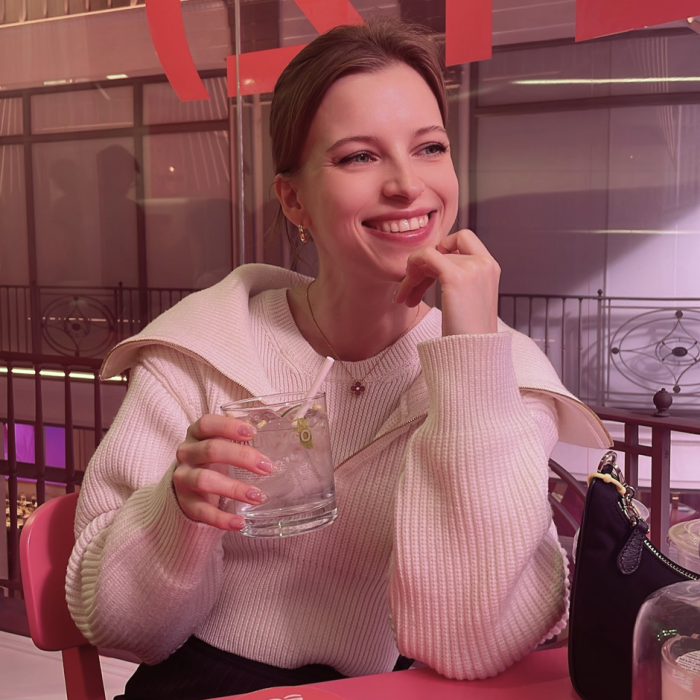
The Influencer’s Canvas follows an elite nail artist from London who is invited to an exclusive Maldives retreat for elite creators, where, while she does their nails, she documents their hidden lives. I think this original idea is intriguing. How did you come up with this idea and develop it into a story?
The idea came directly from my work. I’ve been doing nails for influencers and celebrities in London for years, and there’s something about the intimacy of that process: having someone’s hands in yours for an hour whilst they’re away from their cameras. That’s when people drop their guards completely. I started noticing this pattern. Their online personas were completely different from who they became during our sessions.
X, my nail artist character, first appeared in Polished Edges as someone who collects these unguarded moments. When I was developing her story arc, the Maldives retreat setting felt natural because I’d heard about these exclusive influencer events where the performance pressure is even more intense. The isolation, the competition, the need to create content even whilst supposedly relaxing: it creates the perfect pressure cooker for masks to slip.
The lives of social media content creators are intriguing, as is their die-hard followers’ obsession. What aspects of the human condition do you find particularly interesting that could make for great fiction?
The performance of authenticity fascinates me. We’re living through this moment where being ‘authentic’ has become a brand strategy, where people curate their vulnerability for maximum engagement. There’s something deeply human about our need to be seen and loved, but social media has commodified that need.
I’m drawn to characters caught between who they are and who they think they need to be to survive. The influencers in my book aren’t villains; they’re people trapped in a system that rewards them for turning their lives into content. That tension between genuine connection and strategic self-presentation feels universal now.
I found this novel to be a cutting piece of satire. What is one thing that you hope readers take away from your book?
I hope they start questioning the difference between connection and performance in their own lives. The book is satirical, but the real target isn’t individual influencers: it’s the systems that turn human relationships into metrics.
If readers think more critically about what they consume online and what they share themselves, that’s success. We’re all performing to some degree now. The question is whether we can still recognise ourselves underneath the performance.
What is the next book you are working on, and when can fans expect it to be released?
I’m working on Project Mirror, which takes these themes into speculative territory. It’s about a world where beauty becomes algorithmic: people subscribe to facial features and get software updates for their appearance. My protagonist is a technician who fixes glitches in people’s neural aesthetic systems.
What unsettles me is how plausible it feels when you look at where beauty technology is heading. We’re already filtering ourselves in real-time during video calls. Neural implants for aesthetic modification seem like the logical next step.
No firm publication date yet, but I’m deep into the writing process. The research keeps making my fictional dystopia look conservative.
Author Links: GoodReads | Facebook | Website
What you’ll find insideConfessions at the manicure table
Each chapter is a fresh set of nails and a fresh secret, from burnout hidden beneath flawless French tips to crypto fraud masked by liquid-gold chrome.
High-gloss social satire with a beating heart
Picture White Lotus colliding with The Devil Wears Prada, written in micro-cinematic detail and edged with sly wit.
A thriller of algorithms and aesthetics
Beneath the sunsets and “sustainable luxury” hashtags lurks Project Chimera, an AI experiment that scores every guest’s malleability. Recommendation: neutralize or recruit.
Sensory prose that sparks the feed
Sharp dialogue, vivid color palettes, and scroll-stopping quotes perfect for BookTok or Instagram.
Perfect for readers whoScroll Instagram before they blink and wonder what is real
Devour sharp, contemporary fiction like Crazy Rich Asians and Such a Fun Age
Love luxury-world settings, moral gray areas, and plot twists that sting like acetone on a paper cut
Will the polish crack, or will the algorithm win?
The Influencer’s Canvas peels back the gel-coat glam to expose the messy, human nailbed beneath, then asks whether authenticity can survive once the cameras stop rolling.
One retreat. Two weeks. A million followers waiting.
Swipe in if you dare.
The Influencer’s Canvas
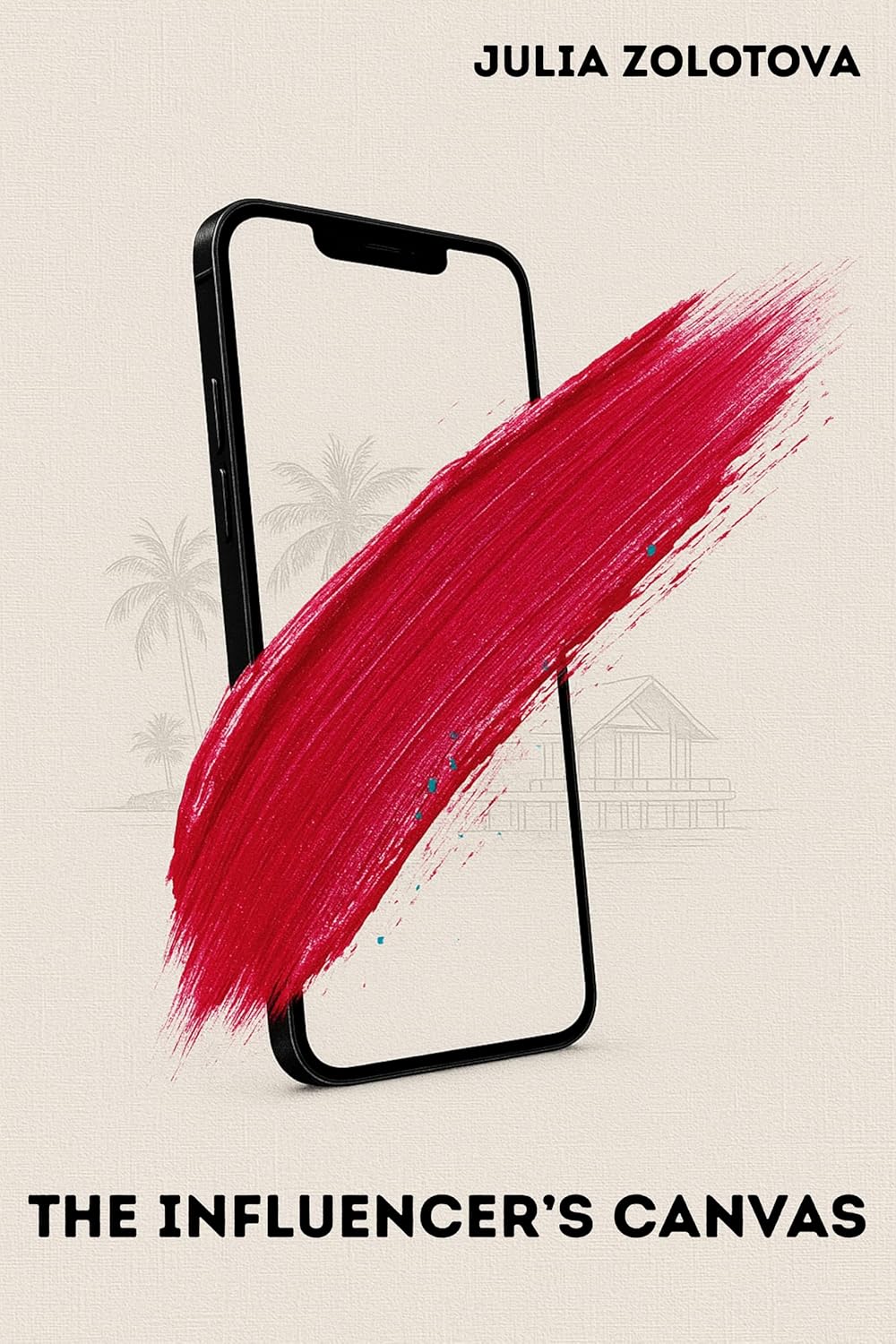

Julia Zolotova’s The Influencer’s Canvas follows the story of Miss X, a nail artist in London who moonlights as a secret observer of the influencer elite. Through her eyes, we’re pulled behind the glittering façade of social media perfection into a shadowy, often absurd retreat called Elysian Fields. The book begins with her being invited to this exclusive Maldives getaway, not as a guest but as staff, which provides the perfect cover for her ongoing project of documenting influencers’ hidden lives. As she paints nails, she extracts confessions, each one staining her metaphorical canvas. The novel is part satire, part social critique, and part psychological thriller. It starts like a sly comedy of manners and gradually spirals into something darker, with undertones of surveillance, manipulation, and existential dread lurking beneath the pastel filters and hashtags.
I found myself laughing at the sharp wit in Zolotova’s writing, especially when she skewers the hollowness of influencer culture. The exaggerations feel absurd yet somehow believable, and the sarcasm keeps the prose lively. At the same time, there’s a humanity beneath it all that surprised me. The influencers are ridiculous, but they’re also broken and vulnerable. Watching them unravel during the so-called digital detox was oddly moving. I caught myself sympathizing with characters I initially rolled my eyes at, which I didn’t expect.
There were moments when the cynicism felt relentless. Sometimes the satire veered so sharply it almost cut through the story itself, leaving me more amused than invested. But then a line of vulnerability or fear would slip in, and I’d be pulled right back. The pacing was also unusual, swinging from slow, detailed observations to sudden bursts of drama. At first, I thought it was uneven, but eventually I realized it mirrored the chaotic rhythm of online life, the lulls, the surges, the constant undercurrent of performance.
The Influencer’s Canvas is clever, biting, and unexpectedly tender. It’s a book for anyone curious about the machinery behind the glossy feeds and hashtags. I’d recommend it especially to readers who enjoy satire with teeth, people fascinated by social media’s impact, and anyone who likes their fiction served with equal parts glamour and grit.
Pages: 104 | ASIN : B0DFX3Q3VC




 LITERARY TITAN