Build a Solid Business
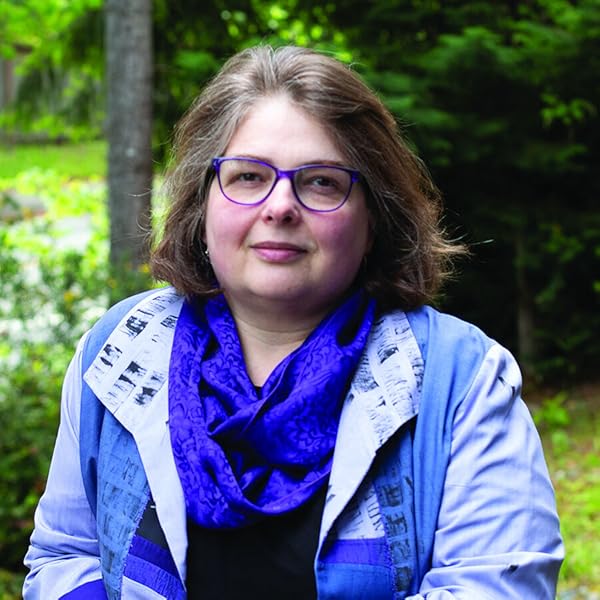
The Freelancer’s Compass provides both aspiring and experienced freelancers with the tools needed for navigating the intricacies of becoming self-employed. Why was this an important book for you to write?
Many people go from a corporate career into freelancing or consulting but give up a few months later. I believe part of their challenge is the lack of understanding how working for a business is different from running your own business. Freelancers and consultants are business owners, and they need business tools and systems in place to be successful.
Great books have been written on the subject of freelancing, but many focus on things like marketing and getting clients. While those are very important aspects, you also need to organize your business in a way that will ensure its longevity. So, I wanted to share what I’ve learned in my 25 years of business about the “back end” — operations — and provide a step-by-step guide on how to set up a solopreneur business for long-term success.
I work with clients in the technology sector primarily and I’ve watched many of my corporate colleagues lose their jobs in the past year or two. Which is why originally, I set out to write the book for knowledge workers (especially those in marketing and technology) who may be considering going solo. However, most of the advice is also relevant for less experienced or struggling freelancers who want to figure out how to level up their game and build a solid business.
Independent, or gig, work continues to be a growing trend — the number of full-time independent workers has grown exponentially between 2020 and 2024, according to data from MBO Partners. That’s why I believe that this book is especially timely now.
How much and what kind of research went into putting together this guide?
The Freelancer’s Compass is based on best practices I’ve learned from running my business, other successful freelancers in my extensive network, my coaches and mentors, and knowledge I’ve gained over the years from books, workshops, and trainings. That said, I spent a good amount of time researching current freelance trends and looking for resources to include. I also interviewed several successful peers who have run successful businesses for many years and included those interviews for additional insights.
What is one misconception you believe many people have about freelance work?
I actually list three myths about the self-employment life in my book: that you can do whatever you want, that you have a flexible schedule, and that “feast or famine” is the way of life. These are all true in some ways, but there are nuances and caveats — and if you don’t have tools and processes in places, they become pitfalls.
If I had to pick just one misconception, I would say it’s that you can work whenever you want. Sure, you’re your own boss and clients can’t tell you when to work. But that doesn’t mean you can just show up to your office or desk whenever you feel like.
Oftentimes, you’re at the whim of client deadlines, have to plan days off around project cycles, and possibly even cancel plans at the last minute. Of course, you can avoid a lot of these issues by understanding your priorities, setting boundaries, and managing client expectations. And even if you don’t have any projects in flight, you still have to show up during your business hours so you can work on your business. But many new and inexperienced freelancers don’t realize that even if they don’t have to “clock in,” running an independent business is still like a job in this regard— especially since they don’t have a boss or a traditional paycheck compelling them to show up every day.
What is one thing you hope readers take away from your book?
I hope it helps them build a good foundation for their business if they’re just starting out, or uplevel their game if they’ve been freelancing for a while and are struggling to grow their business.
I focus on four aspects — infrastructure, processes, tools and support systems, and roadmapping — and lay them out in three tiers (“must have,” “nice to have,” and “highly recommended if you want to uplevel.”) This way, readers will find something helpful regardless of where they are in their business.
I also tried to not take myself too seriously when I wrote the book, and my tone is borderline snarky — so if nothing else, I hope it’s mildly entertaining.
Author Links: GoodReads | X (Twitter) | Facebook | Website | Amazon
Second-Place Winner, The BookFest, Fall 2024, Business – Entrepreneurship
Did you embrace the freelance life by choice, to escape the corporate grind? Or was it by necessity, after being swept away by a corporate “pivot”? Either way, congrats on boldly going where so many other daredevils have gone before. Now, buckle up. You’re not just a freelancer — you’re a business owner. And running a business is a roller-coaster ride.
Making the transition from being a cog in the corporate machine to being the machine takes more than a mindset adjustment and a sweatpants shopping spree. Starting a freelance business successfully requires business processes, support systems, and tools — contracts, bookkeeping, standard operating procedures, and other mundane stuff that was somebody else’s problem before (and will most certainly make your eyes gloss over). You probably didn’t know these were included in the price of your newfound “freedom” — and, like many other solopreneurs, you’d happily trade them for a root canal.
The Freelancer’s Compass takes you through the fundamentals of launching and managing a freelance business that thrives. You’ll discover all the less-glamorous steps of building your back-end operations — from someone who got the T-shirt and lived to tell the story.
Posted on January 4, 2025, in Interviews and tagged author, book, book recommendations, book review, Book Reviews, book shelf, bookblogger, books, books to read, booktube, business, business consulting, business self help, Career Development Counseling, ebook, freelance work, goodreads, indie author, kindle, kobo, literature, nonfiction, nook, novel, read, reader, reading, Rodika Tollefson, self help, story, The Freelancer's Compass, trailer, Vocational Guidance, writer, writing. Bookmark the permalink. Leave a comment.



Leave a comment
Comments 0