Blog Archives
The Art of Losing to a Y-14


Andrew Radu’s The Art of Losing to a Y-14 is a candid collection of autobiographical essays about competitive fencing, psychological pain, aging, ambition, and the uneasy relationship between achievement and self-worth. Radu writes from the combined perspective of a longtime elite fencer, coach, parent, and psychiatrist, which gives the book an unusual depth. Fencing supplies the setting, language, and stories, but the real subject is what happens when a person builds an identity around being talented, winning, and meeting other people’s expectations. Early on, Radu announces, “Don’t come here for mind tricks; I’m here to make you feel,” and that’s an accurate description of the book’s approach.
The book unfolds through short, loosely connected pieces. Radu moves among childhood lessons, college competitions, injuries, coaching relationships, family sacrifices, therapy sessions, unlikely victories, humiliating defeats, and his gradual realization that fencing success can’t settle every internal conflict. Stories about eccentric coaches and formidable opponents sit beside reflections on depression, anxiety, burnout, sexism, concussions, parental pressure, and the emotional cost of elite youth sports. The fragmented structure works well because memory rarely arrives in a clean sequence. Certain people, movements, losses, and phrases keep returning, creating a sense of repetition that mirrors both fencing practice and the mind’s habit of revisiting unfinished experiences.
Radu’s voice is one of the book’s greatest strengths. He’s funny, self-critical, affectionate, occasionally profane, and willing to show how ridiculous competitive pride can become. He describes technical fencing actions in detail, but he also turns them into metaphors for avoidance, control, deception, and growth. The jargon may slow down readers who’ve never fenced, though the emotional stakes remain easy to follow. Nearly everyone has experienced some version of losing to a person they’d already dismissed, chasing a goal that failed to provide lasting satisfaction, or hearing an old critical voice long after the original moment has passed. Radu’s humor keeps these subjects from becoming overly solemn, while his psychiatric perspective gives the essays clarity without making them sound like clinical lectures.
The book is especially perceptive about the double nature of ambition. Training can build discipline, friendship, courage, and joy, while the ranking system can quietly persuade young athletes that love and worth must be earned through results. Radu doesn’t try to resolve that contradiction with a slogan. He lets pride and shame, confidence and doubt, love and resentment occupy the same space. His central insight arrives plainly near the end: “You are not defined by that seemingly shameful loss any more than you are defined by your best-ever ranking.” That idea gains weight because the previous chapters show how long it took him to believe it, and how easily even a mature, self-aware person can fall back into the old trap.
The Art of Losing to a Y-14 is an intimate sports memoir, a psychological meditation, and a tribute to the strange fencing community that shaped its author. It will speak most directly to fencers, coaches, parents, and former competitive athletes, but its larger questions reach beyond sport: What remains when the thing that made you special stops cooperating? How do you honor a passion without letting it consume your identity? Radu answers through stories, and the result feels lived-in, messy, and sincere. The book’s lasting achievement is that it gives defeat a full emotional life, treating losing not as a brief obstacle on the way to victory, but as an experience capable of exposing prejudice, loosening expectations, and making room for a more durable sense of self.
Pages: 187 | ASIN : B0GX33KF55

How to make life simple, happy and successful the Taoist way
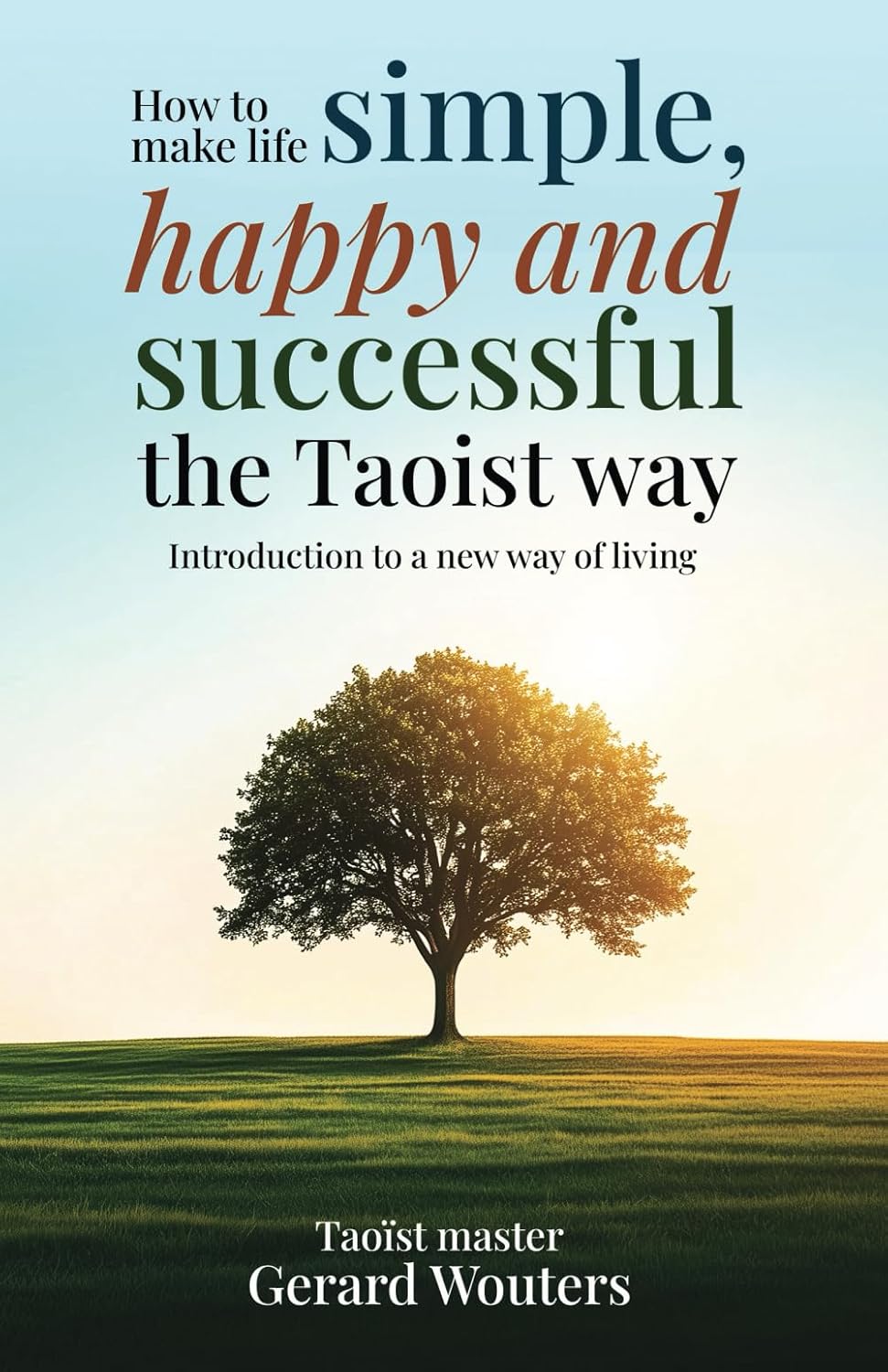
This book is part memoir, part guide, and part manifesto. The author, Gerard Wouters, tells the story of how he went from an unhappy financial manager to the only Taoist Niranam therapist in the world. Along the way, he introduces the reader to the Niranam method, a Taoist-based approach that blends physical, mental, and spiritual healing. Through stories, reflections, and bold claims, the book lays out a vision for living more simply, more happily, and with a stronger sense of purpose.
I found myself pulled in by the raw honesty of his journey. He doesn’t write like an academic or a polished self-help guru. The language is simple, direct, and sometimes almost conversational. I liked that. It made me feel as if he were speaking to me across a table, not at me from a stage. Some parts struck me as deeply moving, especially when he described how his teacher saw his unhappiness just by looking at him. Those moments felt almost magical.
I couldn’t ignore the passion running through the pages. The way he connects everyday struggles, like relationships, stress, and feeling lost, to Taoist philosophy gave me new ways of looking at things. I caught myself nodding along more often than I expected. The book sometimes drifts into criticism of society, religion, and politics. His frustration with a materialistic world came across as genuine, not just ranting.
I think this book will resonate with people who are searching for meaning beyond the usual routines. If you’re open to unconventional ideas, if you like stories more than theory, and if you’re curious about Taoism but don’t want a textbook, this could be a good fit. It isn’t for everyone. If you’re willing to let go of rigid expectations and just take in the message, there’s wisdom here that can make you pause, reflect, and maybe even shift the way you live.
Pages: 199 | ASIN : B0F44H7RSR

Powerless But Not Helpless
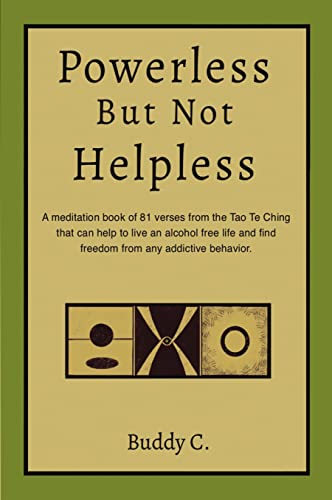
Powerless But Not Helpless by Buddy C. is a self-help book about taking steps to overcome addictive behaviors and alcoholism. This exceptional book is written with inspiration from Tao Te Ching, a highly regarded work of Chinese classic literature addressing how to live a virtuous life, from the wisdom of Lao Tzu. The author addresses how to live a life free of addiction and alcoholism while pulling from the wisdom of Lao Tzu and applying life virtues to the recovery journey.
Readers will discover a book that is rich with practical tips and wisdom to help those struggling with a life of addiction, ensuring that the recovery journey is holistic and spiritually sound. Buddy C. takes a well-rounded approach to address recovery with virtues, personal affirmations, and spiritual fruit. He addresses 81 verses of Lao Tzu and applies them to the recovery process. With statements from Living To Give and Surrendering Expectations to Love Is The Bridge and My Loss Is My Gain, there are many calls to action throughout this book to provide help and support for anyone who reads it.
There is much wisdom in the pages of this influential book for anyone struggling with substance abuse, addiction, and even low self-esteem. The author provides readers with the tools needed at any stage of their recovery. I really appreciated that the author shared his personal experience with readers, which made me feel confident in the advice he provided.
Powerless But Not Helpless can help readers develop a positive mindset and overcome obstacles they might face during their lifetime. Readers who enjoy self-help books, and words of wisdom, will find this an enlightening read. For those looking to better themselves, this is an excellent place to start that journey to become a more well-rounded person with a broader mindset. I feel this could be a challenging read, filled with self-reflection, but the outcome is worth it.
Pages: 191 | ASIN : B09HMPHY7V


