Blog Archives
A Story Worth Sharing

We All Want To Be Happy, Volume 3 follows your brother John through the mid- and late-sixties as he searches for peace through army life, factory work, fiery revivals, marriage, and the uneasy space between faith and fulfillment. Why did you decide to devote an entire volume to your brother John’s early adult years?
Every person experiences challenges in becoming an adult; however, those challenges were multiplied by the early death of his mom, his dad’s rather unique approach to fatherhood, as well as his way of dealing with losing a second wife. I observed firsthand my brother’s courage and journey and believe his journey is both inspirational and educational, i.e., worth sharing with the public.
Looking back, what do these years reveal about growing up in the 1960s South?
The 1960s were a volatile time in the South, particularly in the rural South where we attempted to determine “our” place. The older generation, such as John’s father, born in 1895, was uncomfortable with and afraid of the changes. Rock and roll and integration were among the areas generating fear, and that fear created a greater gulf between parents and children, even more so in rural areas.
How does the idea of “peace of mind” evolve across the volume?
As John encounters each obstacle, he fully embraces and studies the opportunities attached to the “possible” ladder out of his instability. Each time, he is reminded of his mother’s teachings and takes another step toward realizing that peace and happiness are his responsibility.
What does happiness mean to John in this volume? Do you think he finds it?
Yes, John does find peace, or at least the road toward peace and joy. He learns that it is not something to find outside oneself, but rather an acceptance of who you are. Once he stops looking outside of himself for the source of contentment, he finds it. He learns: “If you want someone to make you happy, look in the mirror.”
Author Links: GoodReads | Website
As I spend more time with others, particularly young people, I find many are unable to find the bright side of what seems to be a tragedy, a mistake, or a bump in the road. A lack of maturity and experience often creates the inability to look beyond the surface. Some people get lost in what didn’t happen, rather than see the blessings of what did. It may be a normal human reaction, yet as we age – another blessing of getting older – we realize unexpected outcomes result in the most valuable life lessons.
In Volume III, my goal is to share experiences that I observed in my brother’s life. He has been kind enough to allow me to share pertinent times in his much younger years. His memories, as well as our conversations, provided me a deeper look into and understanding of his life. Perhaps the stories will remind you of your own experiences, or those you have witnessed, or provide a laugh, a tug at the heart strings, or a reason to rekindle a friendship.
I WISH YOU JOY AND PEACE OF MIND.
WE ALL WANT TO BE HAPPY VOLUME 3


We All Want To Be Happy, Volume 3 follows the author’s brother John from Thanksgiving 1963 into the mid and late sixties, as he hitchhikes between army posts, small Louisiana towns, and Dallas, chasing work, women, and some kind of peace in his own skin. We watch him drift out of the military, land in miserable factory jobs, fall under the spell of fiery revivals, marry Ruth, and throw himself into Bible reading and lay preaching. The book moves in episodes rather than a single big plot, and each one shows John wrestling with family, faith, money, and that quiet longing for “peace of mind” that sits at the heart of the volume.
I felt pulled in most by the way the writing handles scenes. The hitchhiking trips, the tin roof at Grandpa’s, the Resistol hat factory full of “toads,” the Davis Street auditorium with its bluegrass band and healing line, the Stratton Cleaner sales meeting that feels suspiciously like a revival meeting, all of that felt sharp and specific. The dialogue rings true and carries a lot of weight, especially between John and the older men in his life. I noticed how often the author lets a joke land flat in the moment, then uses that silence to show John’s insecurity. The prose itself is plain and direct, which fits the world. Sometimes scenes run a bit long, but the voice never feels fake. It reads like someone who has lived close to these places and these people, and that authenticity resonated with me more than once.
The book is not just about religion; it is about how a hungry soul can latch onto anything that promises meaning. John throws himself into Pentecostal revival life, studies the Bible every spare minute, works in a hat factory while trying to save coworkers and even a confused cop at White Rock Lake, then slowly realizes that zeal does not automatically equal peace. The tent revival scenes with Brother Gene Ewing, the healing spectacles, the baskets circling for offerings, all raise hard questions without turning the story into a sermon. I felt both moved and uneasy in those chapters, which I suspect is exactly the point. The book keeps circling this tension between genuine spiritual hunger and human ego, between being “saved” and being honest with yourself. By the time John gets pulled into high-pressure sales culture with Stratton, the echo between religious hype and commercial hype feels deliberate and pretty biting.
I came away feeling that We All Want To Be Happy, Volume 3 is a thoughtful portrait of a young man trying to grow up without losing his soul. It will suit readers who enjoy memoirs and biographies set in Southern or Southwestern life in the sixties, working-class families, and evangelical church culture with all its beauty and contradictions. If you are curious about how faith, work, and family pressure shape a person over time, and you do not mind sitting in some emotional discomfort while he figures that out, this book is a good fit.
Pages: 122 | ASIN : B0GGDZW6CK

Family Is More Than People Related To You
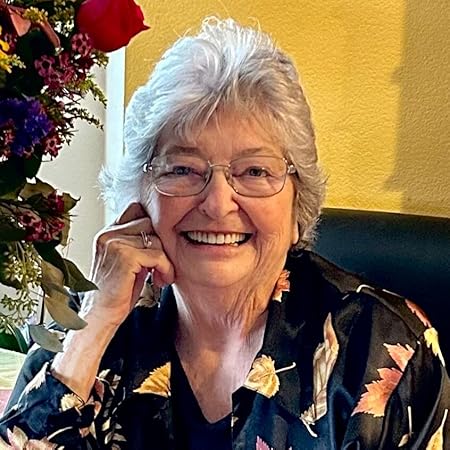
Growing Up in Rural Louisiana takes readers on a journey through your life growing up in a tight-knit community in rural Louisiana from 1943 to 1963. Why was this an important book for you to write?
My initial purpose for my book was to share some information with my children, grandchildren and great grandchildren about my life growing up. Both my parents were gone and, while I told my children stories, I thought the best route might be via a book sitting on their bookshelf. As I wrote the book, I wanted a bigger audience and tried to write it in such a away to interest that audience.
What were some ideas that were important for you to share in this book?
That family is more than people related to you by blood; that being open to the support you need can be the more important step to learning survival; that my life was/is unique from MY perspective and everyone’s should be from their own perspective; that life is good.
What was the most challenging part of writing your memoir, and what was the most rewarding?
Trying to write the memoir in such a way that it would appeal to others; I want my readers to get a feeling of connection between my life and theirs .. and at the same, awake a feeling of uniqueness in their own paths. The most rewarding was all the walks I took down memory lane.
What do you hope is one thing readers take away from your story?
Life is a blessing waiting to be discovered. It lies all around us when we find our path and with whom that path connects. Never give up and always be kind.
Author Links: Website | Amazon


